





What Is Seasonal Eating, Really?
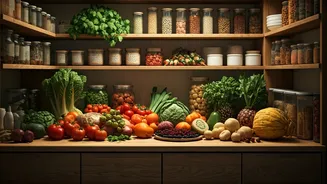
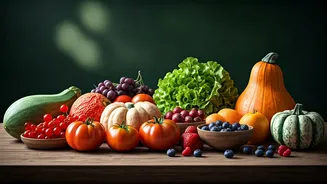
At its core, seasonal eating is exactly what it sounds like: choosing foods that are naturally harvested at a particular time of year in your region. It’s about eating mangoes in the summer, leafy greens like spinach and mustard greens in the winter,
and gourds during the monsoon. Before global supply chains made it possible to buy strawberries in December, this was simply how everyone ate. The modern supermarket offers year-round abundance, but this convenience comes at a cost to flavour, nutrition, and the environment. Now, many people are consciously returning to this older, more natural rhythm.
Why the Renewed Interest?
This comeback isn’t just about nostalgia; it’s a response to very modern concerns. Consumers are increasingly turning away from ultra-processed foods and seeking fresh, clean ingredients. There's a growing awareness of sustainability and the environmental cost of our food choices. The desire for better flavour and more nutritious food is a major driver, as people realise that produce picked at its peak is simply superior. Furthermore, with rising food costs, many are finding that seasonal produce is more affordable, as abundance drives prices down. This convergence of health, environmental, and economic factors is pushing seasonal eating from a niche concept back into the mainstream.
The Payoff in Flavour and Nutrition
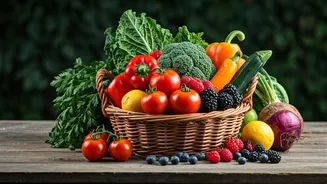
The most immediate reward of eating seasonally is taste. A fruit or vegetable that’s allowed to ripen naturally on the vine develops a depth of flavour that can't be replicated. But the benefits go deeper. Produce harvested at its peak is more nutrient-dense, packed with higher levels of vitamins and antioxidants. Nutrients begin to degrade the moment a crop is picked. Out-of-season produce is often harvested early to survive long-distance transport, meaning it never reaches its full nutritional potential. For example, studies have shown that broccoli grown in its preferred fall season can have nearly double the vitamin C of spring-grown broccoli. Eating a variety of foods as the seasons change also diversifies your nutrient intake and supports a healthy gut microbiome.
Good for the Planet and Your Pocket
The environmental case for seasonal eating is compelling. When you choose local, in-season produce, you significantly reduce “food miles”—the distance your food travels from farm to plate. This cuts down on greenhouse gas emissions from transportation, refrigeration, and storage. Growing crops out of season often requires energy-intensive greenhouses, artificial lighting, and more water, all of which carry a heavy environmental toll. Seasonal eating supports more sustainable agricultural practices like crop rotation, which enhances soil health and biodiversity. It’s also often kinder to your wallet. The basic law of supply and demand means that when a crop is abundant, it’s cheaper.
Getting Started in India
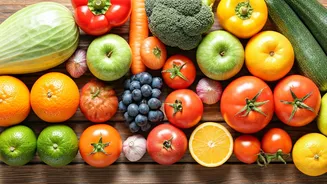
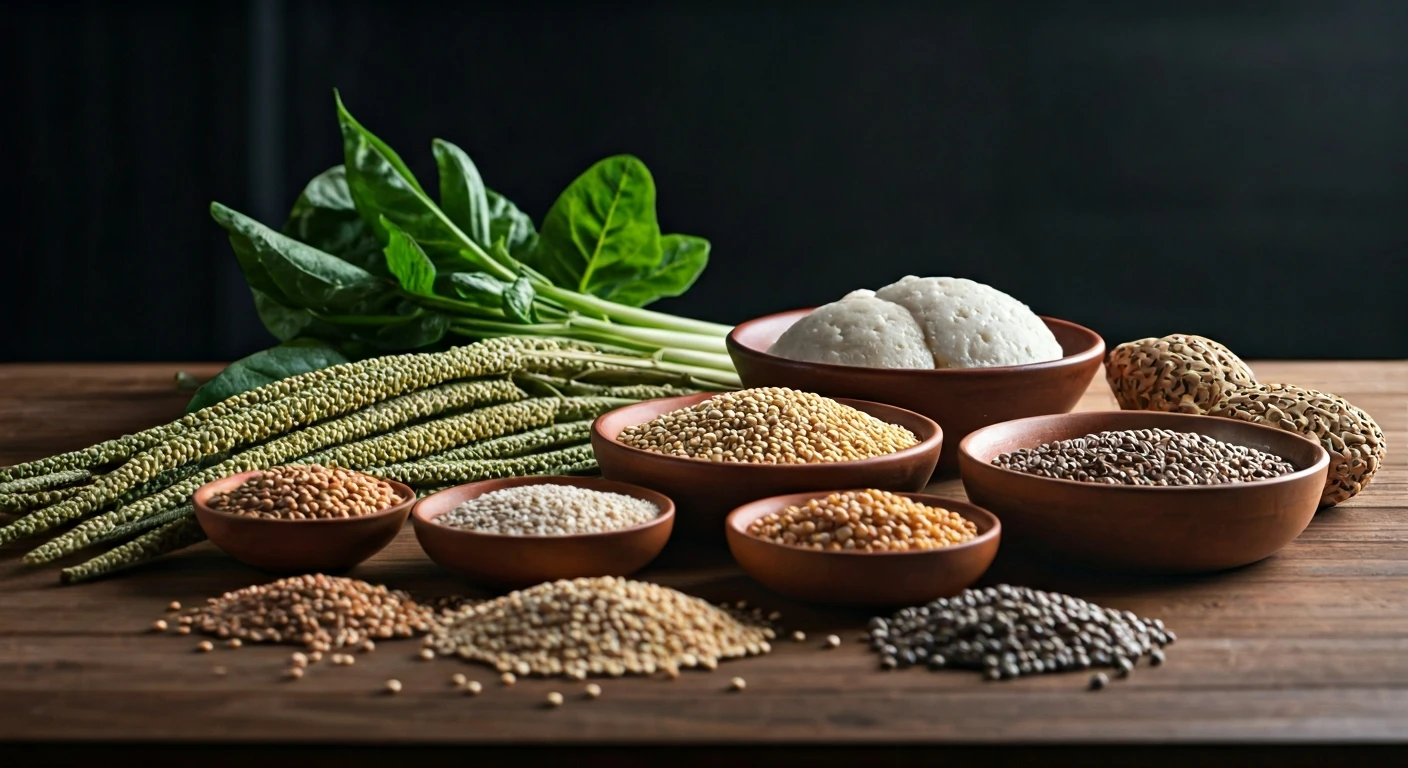
Embracing seasonal eating is simpler than it sounds. A great first step is to visit your local mandi or farmers' market. You get to see what’s truly fresh and can even talk to the growers. In India, the seasons offer a vibrant and diverse calendar. Summer (March-July) is for mangoes, watermelons, and litchi. The monsoon (July-November) brings jamun, corn, and okra. Winter (November-March) is the time for citrus fruits like oranges, root vegetables like carrots, and a bounty of leafy greens including fenugreek and spinach. Even traditional Indian food wisdom aligns with this, recommending warming foods like sesame and jaggery in winter and cooling, fermented preparations like curd rice in summer. Paying attention to these natural cycles connects you to your local food culture and environment.