




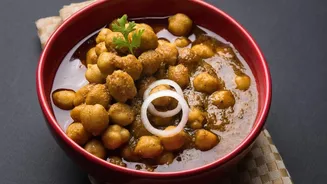
The Humble Powerhouse: Kala Chana
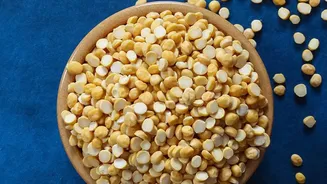
Kala chana, or black chickpeas, has been a staple in Indian diets for centuries for good reason. It's a nutritional powerhouse, packed with plant-based protein, complex carbohydrates, and dietary fibre. A 100-gram serving of cooked chana provides a significant
amount of protein, which is essential for muscle repair. It is also rich in essential minerals like iron, manganese, and phosphorus, which play vital roles in energy production and bone health. Unlike simple sugars that can cause energy crashes, the complex carbs in chana provide a steady release of energy, making it an excellent food for sustained vitality.
The Magic of Sprouting
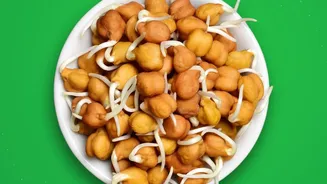
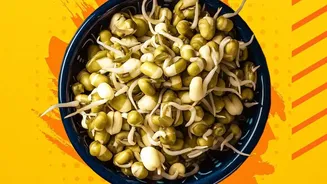
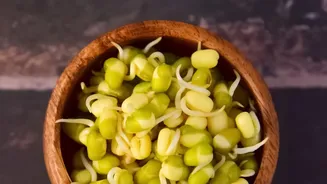
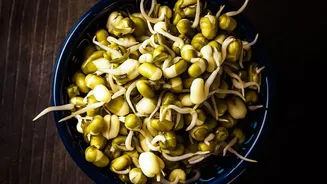
The process of sprouting transforms kala chana from a nutritious food into a superfood. When you soak and germinate the chickpeas, a series of beneficial biochemical changes occur. Sprouting significantly reduces anti-nutrients like phytic acid. This is important because phytic acid can bind to minerals like iron and zinc, making them less available for your body to absorb. By breaking down these anti-nutrients, sprouting unlocks the full nutritional potential of the chana, enhancing the bioavailability of its protein and minerals. The process also increases the concentration of vitamins, particularly Vitamin C and B-complex vitamins, and makes the chana easier to digest.
The Recovery Equation: More Than Just Protein
Effective muscle recovery isn't just about protein; it's a combination of nutrients working together. After a workout, your muscles need protein to repair the microscopic tears that lead to growth, and they also need carbohydrates to replenish depleted glycogen stores. Sprouted chana delivers on both fronts. A 100-gram serving offers a balanced ratio of high-quality plant protein and complex carbohydrates. This combination is ideal for post-exercise nutrition, as studies show that co-ingesting protein with carbohydrates can enhance glycogen resynthesis, especially when carb intake is moderate. The fibre in chana also helps regulate blood sugar and promotes satiety, preventing overeating.
Chana vs. Whey: A Realistic Comparison
Whey protein is popular for a reason: it's a highly concentrated, fast-absorbing protein source with a complete amino acid profile, making it very effective for kick-starting muscle protein synthesis immediately after a workout. Sprouted chana, on the other hand, is a whole food. While its protein is less concentrated and digests more slowly than whey, it offers a broader spectrum of nutrients. With chana, you get protein along with fibre, complex carbs, vitamins, and minerals—nutrients that are stripped away from whey isolates. Think of it this way: whey is a targeted supplement for rapid protein delivery, while sprouted chana is a complete nutritional package that supports overall health and recovery. For most people not engaged in professional bodybuilding, the balanced nutrition of chana is incredibly effective and far more affordable.
Putting It Into Practice
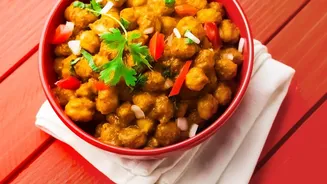
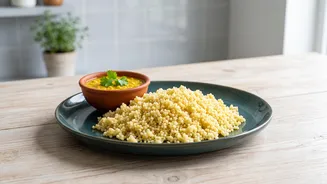
Incorporating sprouted chana into your diet is simple and cost-effective. To make your own, soak raw kala chana in water overnight. The next day, drain the water, and wrap the chana in a damp muslin cloth. Leave it in a warm, dark place for 24 to 48 hours, rinsing it once or twice, until small sprouts appear. You can eat them raw for a crunchy, nutrient-dense snack or salad topping. For a quick post-workout meal, lightly steam or boil the sprouts and season them with salt, lemon juice, and chaat masala. You can also add them to curries, stir-fries, or blend them into a savoury pancake batter. The versatility of sprouted chana makes it easy to enjoy its recovery-boosting benefits every day.