



The End of the Visa Sticker
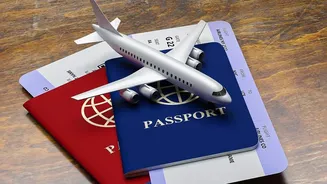
The most visible change in the UK's new system is the disappearance of the physical visa sticker, known as a vignette, from passports. As of 2026, successful visa applicants from India no longer receive this sticker. Instead, their permission to travel
and stay in the UK is recorded digitally as an 'eVisa'. This eVisa is a secure online record of an individual's immigration status, linked directly to their passport. The move, which has been phased in, is part of the UK's broader strategy to create a completely digital border, aiming to enhance security and streamline the travel experience. For travellers, this means their right to enter the UK is verified electronically by airlines before boarding and by border officials upon arrival.
How the New Process Works
While the outcome is digital, the initial application steps remain familiar. Indian applicants must still complete the visa application online via the official GOV.UK website and attend an appointment at a Visa Application Centre (VAC) to provide biometric information like fingerprints and a photograph. The major change happens after the visa is granted. Applicants will now receive an email notification and must create a UK Visas and Immigration (UKVI) account. Using the 'UK Immigration: ID Check' app, they can then link their passport to their account and view their eVisa. This online account becomes the central point for managing immigration status, proving rights to work or rent, and updating personal details like a new passport number.
India's Crucial Role in UK Travel
The scale of this transition is highlighted by the sheer number of Indian travellers. In the year ending March 2026, over 500,000 visas were granted to Indian nationals, making India one of the UK's most significant travel markets. These figures encompass a wide range of categories, including tourism, work, and study. Indian nationals consistently represent the largest group for sponsored study visas and skilled worker extensions. Projections from VisitBritain suggest this trend will only grow, estimating nearly a million annual visits from India by 2030, with a visitor spend of £1.5 billion. This deep connection is further supported by expanding air connectivity, with the average number of weekly flights between India and the UK increasing in 2026.
Clearing Up ETA Confusion
It is crucial for Indian travellers to understand the difference between an eVisa and an Electronic Travel Authorisation (ETA). The ETA is a new requirement for visitors from countries that do not need a visa for short stays in the UK, such as the US, Canada, and EU nations. Indian citizens are not eligible for the ETA scheme. They remain visa-nationals and must apply for a full UK visa for their travel purpose. The new system simply means this visa is now issued digitally (as an eVisa) rather than physically. The ETA is a pre-travel clearance for visa-exempt nationals and does not apply to Indians, who must continue to follow the standard visa application route.
What Travellers Need to Remember
The shift to a digital system puts more responsibility on the individual traveller. Before heading to the airport, it is essential to have created a UKVI account and confirmed that the eVisa is correctly linked to the passport being used for travel. Any discrepancy between the details on the passport and the digital record could cause significant delays or even result in being denied boarding by the airline. While the eVisa itself is free to access, travellers must be diligent in managing their online accounts. The UK government advises that the new system is more secure, as a digital visa cannot be lost or stolen like a physical document, but the onus is on the traveller to ensure their digital house is in order before their journey begins.