




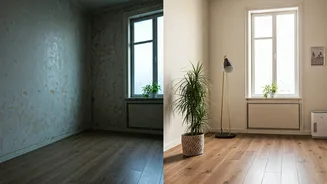




The Foundation Filter: Walls and Floors
Dampness and slippery floors are two of the biggest monsoon culprits in any home. For renters, tackling these without angering a landlord requires creativity. High humidity can cause walls to feel damp and even lead to paint peeling. Instead of a costly
repaint, consider removable, waterproof wallpaper on a feature wall. This adds a design element while creating a barrier against moisture. For floors, especially near entrances and in balconies, anti-skid mats are non-negotiable. Look for microfiber or rubber-backed mats that absorb water effectively. Roll up expensive carpets and rugs; they are prone to mould and mildew in the humid air. Instead, opt for lightweight, washable cotton dhurries or colourful rugs that can be easily cleaned and dried, adding a pop of brightness to combat the gloomy weather. A stylish umbrella stand at the entrance is also a practical decor addition, preventing wet umbrellas from dripping all over the floor.
The Electrical Safety Filter: Wires and Appliances
Water and electricity are a dangerous mix, and the risk escalates during the monsoon due to high moisture levels. Start with a visual inspection of your home's wiring. While you can't overhaul the system, you can take simple precautions. Ensure there are no exposed or frayed wires, especially near windows and doors where rainwater might seep in. Use surge protectors for expensive electronics like your television, refrigerator, and computer to shield them from voltage fluctuations common during thunderstorms. A key decor strategy is elevation. Keep electrical cords and appliances off the floor, especially in areas prone to waterlogging. Use adhesive cord clips to run wires along walls instead of letting them dangle. Unplug appliances when not in use, particularly during heavy rain and lightning. Never touch switches with wet hands, and educate your family and flatmates about these basic safety measures. It’s also wise to have an electrician check for proper earthing if you suspect any issues.
The Fabric & Furniture Filter: Curtains and Cabinetry
Heavy fabrics are a bad idea during the monsoon. They absorb moisture, take forever to dry, and can develop a musty odour. Swap out thick, heavy curtains for lightweight and sheer alternatives like cotton voile, linen, or lace. These allow better air circulation and let in maximum natural light on overcast days, making rooms feel brighter and fresher. Wooden furniture is also vulnerable, as it can swell and warp in high humidity. As a renter, you can't change the furniture, but you can protect it. Move wooden pieces a few inches away from damp walls to prevent moisture transfer and allow air to circulate behind them. You can place camphor or neem leaves inside closets and drawers to protect clothes from fungal growth and insects. For upholstery, consider using removable, washable covers made from breathable fabrics like cotton or linen blends.
The Air Quality Filter: Banish Mould and Mustiness
One of the most pervasive monsoon problems is the musty smell caused by mould and mildew. Good ventilation is your first line of defense. Whenever the rain stops, open windows and doors to air out the house. In kitchens and bathrooms, always use the exhaust fan to expel moisture. You can also harness the power of natural dehumidifiers. Place bowls of rock salt or charcoal briquettes in damp corners, closets, or bathrooms; they are excellent at absorbing excess moisture from the air. Indoor plants that thrive in humidity, like snake plants, peace lilies, and spider plants, not only add a touch of green but also help purify the air and absorb moisture. To combat odours, use scented candles, essential oil diffusers, or incense sticks with fresh fragrances like citrus, lavender, or lemongrass.
The Window & Balcony Filter: Secure Your Openings
Windows and balconies are the primary entry points for rain and wind. As a renter, you can’t make major structural changes, but temporary solutions can be very effective. Check for any small gaps around window frames where water might be driven in by wind. For a non-permanent fix, you can use removable caulk or weather-stripping tape, which creates a waterproof seal that can be peeled off at the end of the season without damaging the paint. Ensure balcony drains are clear of leaves and debris to prevent water from collecting and seeping into the house. If you have plants on your balcony, consider bringing some of them indoors temporarily to protect them from heavy downpours and prevent soil from splashing onto walls and floors. Adding a small, weather-resistant seating arrangement can turn your balcony into a cozy spot to enjoy the rain from a safe distance.