




A Land with Royal Roots
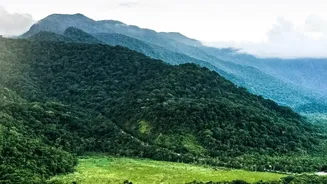
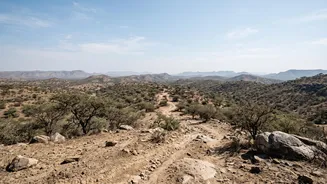
Covering just over 192 square kilometres in Gujarat's Porbandar and Devbhumi Dwarka districts, Barda is a compact but vital ecosystem. Before it was declared a sanctuary in 1979, the area was a private reserve for the former princely states of Porbandar and Jamnagar,
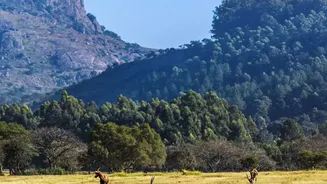
known as Rana Barda and Jam Barda respectively. This history has shaped its landscape, which today is a mosaic of undulating hills, dry deciduous forests, and scrubland that serves as a crucial natural barrier against salinity from the nearby coast.
A Treasure Trove of Flora
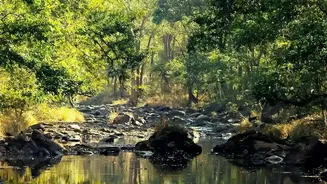
Barda's true wealth lies in its incredible plant diversity. Despite its relatively small size, the sanctuary is home to approximately 650 to 700 plant species, making it one of the most floristically rich areas in Gujarat. The forests are a mix of southern dry mixed deciduous and northern tropical thorn forests. Key species include teak, bamboo, Gorad, Babul, and Jamun. The sanctuary is also a living pharmacy, nurturing a wide array of medicinal plants like Guggal and Ashwagandha, some of which are rare and endangered. This botanical diversity is the foundation upon which the entire ecosystem is built, providing food and shelter for its inhabitants.
The Wild Inhabitants of the Hills
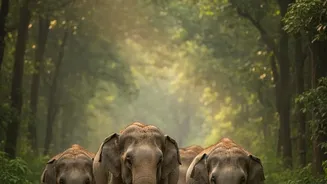
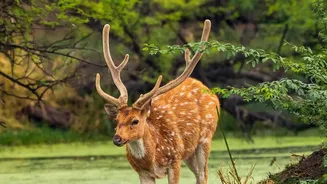
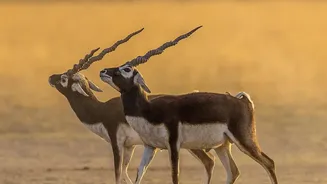
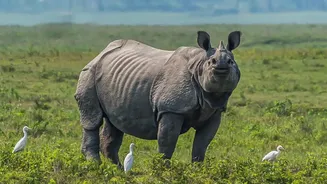
While the prospect of lions captures the imagination, Barda is already home to a robust population of other wildlife. The top predator here has long been the Indian leopard. Other mammals frequently spotted include the blue bull (nilgai), wild boar, striped hyena, wolf, and jackal. The sanctuary is also a paradise for birdwatchers, with rare species like the crested hawk-eagle making their home here. Historically, the area hosted sambar and chital deer, which became locally extinct. Efforts are now underway to reintroduce these species to strengthen the natural prey base, a critical step for supporting a larger predator population.
A Second Home for the Asiatic Lion
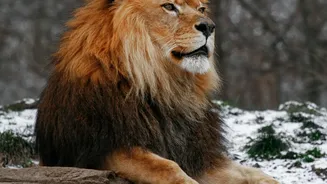
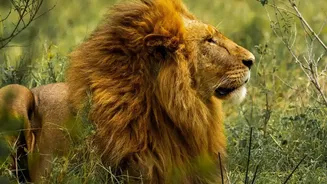
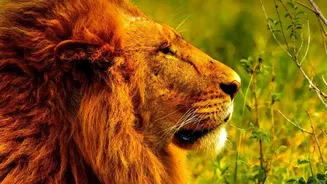
The most significant development in Barda's recent history is its designation as the second official home for the Asiatic lion under 'Project Lion'. With the lion population in Gir National Park growing crowded, experts have long advocated for establishing a second, separate population to protect the species from threats like disease outbreaks. Barda was identified as a suitable habitat as far back as 1979. This vision is now becoming a reality. After a male lion naturally migrated to the sanctuary in 2023 for the first time in nearly 144 years, the forest department introduced several females to establish a breeding population. As of late 2026, a small but growing pride of 17 lions, including cubs, now calls Barda home.
The Human Element and Conservation
Barda is not an untouched wilderness; it is also home to pastoral communities like the Maldharis, Rabaris, and Gadhvis. Their presence creates a complex dynamic of human-wildlife coexistence. To create more undisturbed space for the growing lion population and reduce pressure on the forest, the Gujarat government in late 2026 announced a voluntary relocation scheme for families living within the sanctuary. This initiative, which provides financial compensation and land for resettlement, aims to balance the needs of local communities with the long-term conservation goals for the lions and their habitat. This move, combined with habitat restoration projects, is a critical part of preparing Barda for its future as a key pillar in India's wildlife conservation strategy.