


The Zero-Cost Miracle: How UPI Works Now
At its core, the UPI business model has been built on a simple but powerful idea: zero charges for users and merchants. This is achieved through a policy of zero Merchant Discount Rate (MDR). MDR is a fee that businesses typically pay to banks and payment
processors for every digital transaction. By eliminating this fee for UPI in January 2020, the government made it as cheap for a shopkeeper to accept a digital payment as it is to accept cash. This policy was the rocket fuel for UPI's explosive growth, turning QR codes into a ubiquitous sight from the biggest malls to the smallest street-side stalls. The goal was clear: drive mass adoption of digital payments, formalise the economy, and increase financial inclusion.
The Sustainability Problem
While free for users, the system isn't free to run. Every transaction involves costs for the banks that facilitate it, the payment service providers (PSPs) like PhonePe and Google Pay that provide the app, and the National Payments Corporation of India (NPCI) that manages the network. These costs include maintaining servers, ensuring cybersecurity, handling customer support, and preventing fraud. With the zero-MDR rule, the main revenue stream for these services was cut off. While the government has provided some subsidies to compensate, a parliamentary panel recently noted a massive gap between the estimated industry operational cost of around ₹20,700 crore and the government's support of just ₹2,000 crore. This financial strain has led to a crucial question: is the current model sustainable in the long run?
How Payment Apps Currently Make Money
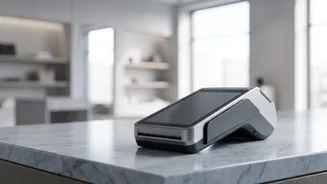
If UPI transactions themselves are free, how do major players like PhonePe and Google Pay generate revenue? They've diversified. Their business models rely on cross-selling other products and services. This includes earning commissions on bill payments, mobile recharges, and the sale of financial products like insurance and mutual funds. Another key revenue stream is offering value-added services to merchants, such as voice-enabled speakers that announce transactions for a monthly rental fee. By building a massive user base on the back of free UPI, these platforms transform into a marketplace for other financial and commercial services, effectively monetising the user base rather than the individual transaction.
The Great Debate: What Changes Are Proposed?
The conversation is now shifting from adoption to long-term financial viability. Recent legislative changes have empowered the government to reintroduce MDR on specific digital transactions. This doesn't mean all UPI payments will suddenly have a fee. Government officials and ministers have repeatedly clarified that person-to-person (P2P) transfers will remain free. The most likely change being discussed is the introduction of a 'tiered' or 'calibrated' MDR, targeting only high-value merchant transactions. A frequently mentioned proposal involves applying a nominal MDR of around 0.3% to 0.4% only on merchant payments above ₹2,000. This would ensure that the vast majority of everyday, small-ticket transactions remain free for both consumers and small businesses, while larger commercial transactions help fund the ecosystem's upkeep.
What This Means for You
For the average user, not much is expected to change in the immediate future. Sending money to friends and family or paying for your daily chai and groceries will almost certainly remain free. The government has been firm that consumers will not be charged for UPI payments. The proposed MDR is a fee levied on merchants, not customers. While some worry that businesses might pass this cost on to consumers through higher prices, officials believe many merchants, especially larger ones, may absorb the nominal fee to retain the convenience of digital payments. The primary goal of these potential changes is not to burden the public but to create a self-reliant revenue model that ensures UPI remains secure, innovative, and robust for years to come without depending solely on government subsidies.