








The Science of Serotonin
The primary culprit behind your sweet tooth is a brain chemical called serotonin. Known as the 'feel-good' hormone, serotonin regulates mood and happiness. Production of this crucial neurotransmitter is linked to sunlight exposure. During the grey, overcast
days of the monsoon, our exposure to sunlight decreases, which can cause serotonin levels to dip. This dip can lead to feelings of sadness or lethargy, a mild version of what some experience as Seasonal Affective Disorder (SAD). In response, our brain seeks a quick fix. Eating carbohydrates and sugars triggers a temporary boost in serotonin, providing a short-lived feeling of pleasure and well-being. This is your body's natural, albeit temporary, strategy to lift your spirits when the weather is gloomy.
The Comfort of Warmth
There's a simple physical reason we crave hot foods when it rains: a drop in temperature. As the rain cools the air around us, our body works harder to maintain its core temperature, a process that burns energy. This triggers hunger signals as our body asks for fuel to generate internal heat. Hot desserts, like a warm gulab jamun or a cup of rich hot chocolate, provide both the calories for energy and the physical warmth that feels so comforting on a cool, damp day. The act of eating something warm helps regulate and increase our body temperature, making us feel cozier and more comfortable in the damp weather.
The Power of Nostalgia and Psychology
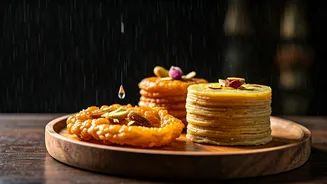
Beyond brain chemistry and body temperature, monsoon cravings are deeply tied to our emotions and memories. For many in India, the rainy season is associated with specific food traditions and cherished childhood memories—think of hot pakoras, samosas, and of course, jalebis enjoyed with family while watching the downpour. These foods become what we call 'comfort foods'. They offer a sense of safety, happiness, and emotional security that is powerfully nostalgic. When you're stuck indoors, food can become a comforting activity that breaks the monotony and provides a psychological escape. This emotional connection makes the food taste better and the experience more satisfying, especially when the world outside feels a bit gloomy.
Ayurveda’s Monsoon Wisdom
Traditional Indian wisdom from Ayurveda also offers a unique perspective. The monsoon season, or 'Varsha Ritu', is a time when the digestive fire, or 'Agni', is considered to be at its weakest. This makes our digestive system sluggish and more susceptible to issues like bloating and indigestion. Ayurveda recommends eating warm, cooked, and easily digestible foods. While heavy, fried sweets are generally advised against, the tradition encourages consuming naturally sweet foods like honey and certain grains. Spices like ginger, cumin, and pepper are recommended to help kindle the digestive fire. Therefore, a craving for warmth and flavour aligns with the Ayurvedic principle of balancing the body during this season, favouring warm soups and herbal teas to stay healthy.
Indulging Your Cravings Mindfully
Understanding the 'why' behind your cravings doesn't mean you have to fight them. It’s about making smarter choices. Instead of reaching for heavily processed, sugar-laden desserts, you can satisfy your sweet tooth in healthier ways. Opt for a piece of dark chocolate, which contains compounds that can positively influence mood. Consider making a homemade dessert where you can control the amount of sugar, such as a whole-wheat halwa or a fruit crumble. A warm glass of milk with turmeric and a little honey can also be incredibly comforting and healthy. The goal isn't to deny yourself the joy of monsoon treats, but to indulge in a way that nourishes both your body and soul.