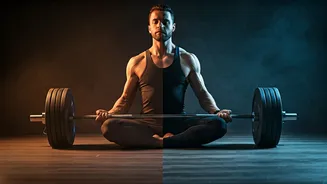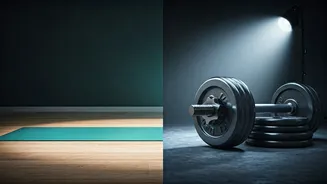








The Church of Iron
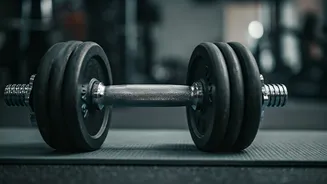
Powerlifting is a sport of absolutes. It revolves around three core lifts: the squat, the bench press, and the deadlift. The goal is simple and quantifiable: lift the maximum amount of weight possible for a single repetition. The philosophy is one of brute
force, progressive overload, and mental fortitude. The culture is often built around loud music, chalk dust, and the communal experience of pushing physical limits. For powerlifters, progress is measured in kilograms on the bar. The entire training methodology is designed to build raw, explosive strength, often focusing on the central nervous system's ability to recruit as many muscle fibers as possible for one all-out effort. This singular focus can sometimes foster a view that other forms of exercise are secondary or even counterproductive.
The Path of Mindful Movement
Hatha yoga, by contrast, is a journey inward. Derived from Sanskrit words 'ha' (sun) and 'tha' (moon), it is a practice designed to balance opposing forces within the body and mind. Instead of focusing on external weights, Hatha yoga uses physical postures (asanas), breathing techniques (pranayama), and meditation to cultivate harmony, flexibility, and self-awareness. The goal isn't to lift more, but to achieve a state of stability and comfort in both body and mind. Practitioners hold poses for extended periods, focusing on alignment and the subtle flow of life force energy, or 'prana'. The philosophy is one of union—connecting mind, body, and spirit—rather than conquering external challenges.
Where Barbell Meets Yoga Mat
The “clash” between these two worlds often stems from deep-seated misconceptions. From the powerlifting side, there's a common fear that flexibility training, especially prolonged stretching, can decrease strength and joint stability, making it harder to bear heavy loads. Some lifters believe that a certain amount of muscle tightness is necessary to maintain a stable 'groove' for heavy lifts. Conversely, within some yoga circles, the intense, ego-driven nature of powerlifting is seen as antithetical to yoga's principles of non-violence (ahimsa) and mindfulness. There can also be criticism that modern yoga has been stripped of its spiritual roots and reduced to a mere fitness trend, a critique that sometimes gets aimed at the entire gym culture.
Debunking the Myths
The idea that strength training inherently makes you inflexible is a persistent myth. When performed correctly through a full range of motion, strength exercises can actually enhance mobility and control. Many top strength coaches now incorporate mobility work and dynamic stretching into their programs to improve performance and prevent injury. On the other side, the notion that yoga is not a legitimate form of strength training is also being challenged. While it may not produce the same muscle mass as heavy lifting, practices like power yoga improve muscular endurance, balance, and core strength—all of which are beneficial for lifters. A well-rounded yoga practice can improve a lifter's mind-muscle connection and body awareness, leading to safer and more effective lifts.
The Rise of the Hybrid Athlete
Increasingly, the lines between these disciplines are blurring. Modern athletes and everyday fitness enthusiasts are recognizing that strength and flexibility are not mutually exclusive but two sides of the same coin. Many elite powerlifters now incorporate yoga into their routines to aid recovery, improve hip mobility for deeper squats, and enhance breath control for better core bracing during heavy lifts. Yoga can help identify and correct muscular imbalances that heavy, repetitive lifting might create, reducing the risk of injury. This has given rise to the 'hybrid athlete'—someone who rejects rigid labels and instead builds a holistic fitness regimen that borrows the best from multiple disciplines, creating a body that is not just strong, but also resilient, mobile, and balanced.