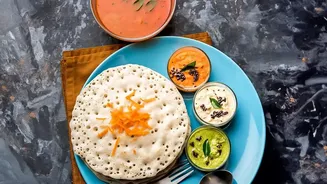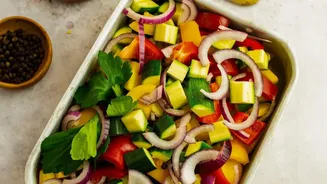

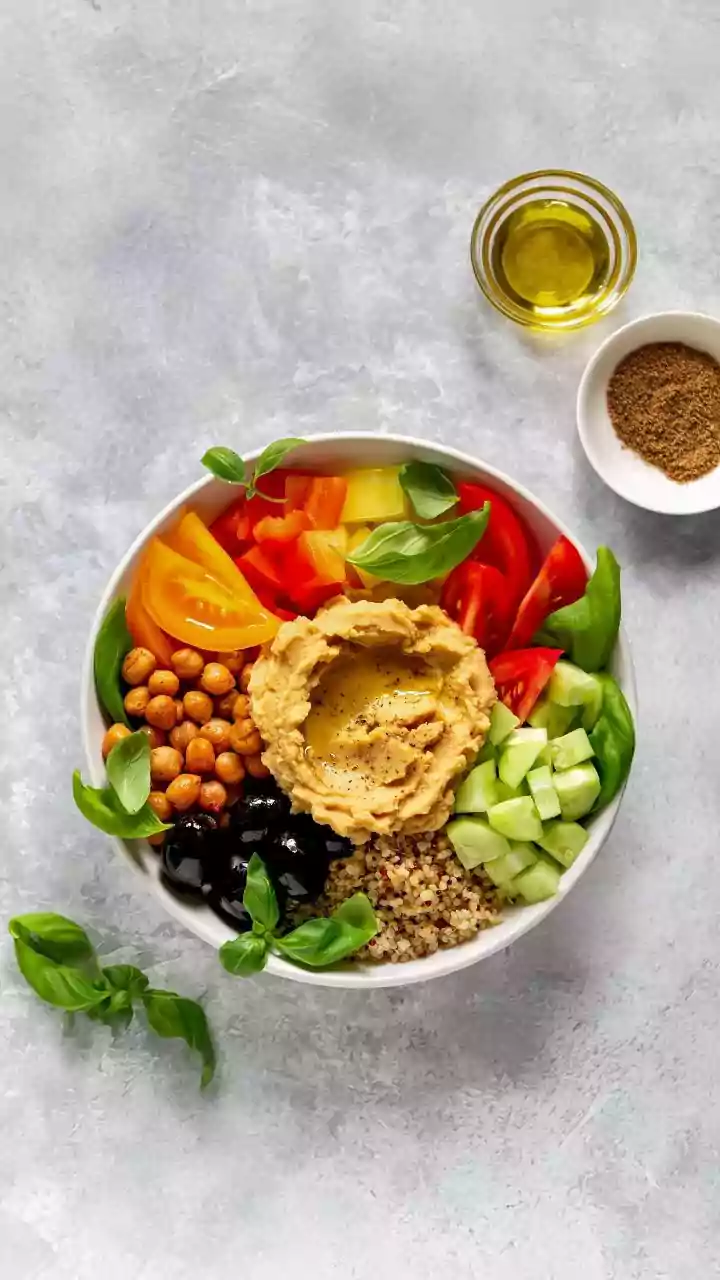
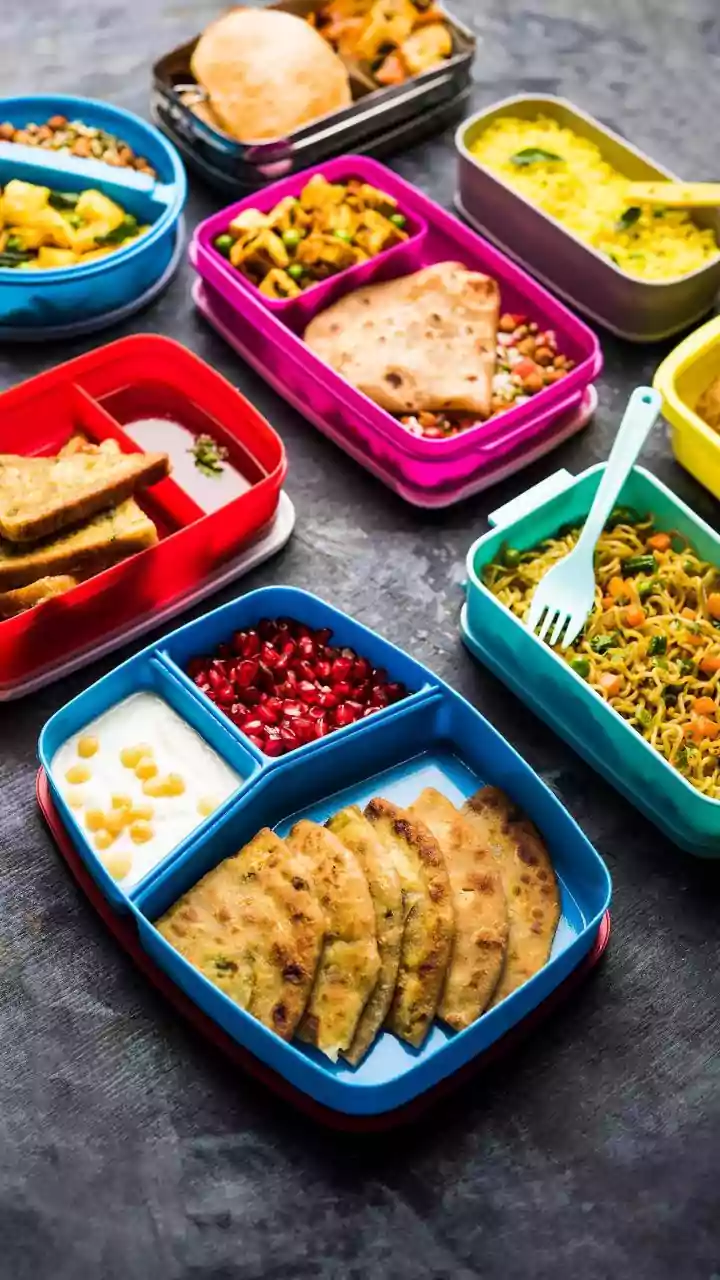

The idea of a week's worth of meal prep can feel daunting. A more manageable approach is twice-weekly batch cooking, which keeps meals fresh and reduces food fatigue. The secret lies in choosing dishes that thrive, not just survive, after a day or two.
The Twice-Weekly Strategy
Instead of one marathon cooking session, this method involves two smaller ones. The first happens over the weekend, setting you up for the first three to four days of the week. The second is a quicker, mid-week top-up to get you through to the weekend. This approach has two key benefits: your food is fresher, and you have the flexibility to adjust your meal plan. It avoids the monotony of eating the same meal for five days straight and is less overwhelming than preparing an entire week's worth of food at once.
The Science of a Great Reheat
Why do some leftovers taste even better the next day? It comes down to chemistry. For wet dishes like curries, stews, and braises, the flavours continue to meld and deepen as they sit. Spices infuse the sauce, aromatics like onions and garlic break down further to release more flavour, and the overall taste becomes more rounded and complex. The key is moisture. Dishes with plenty of sauce or broth reheat beautifully because the liquid turns to steam, gently warming the food without drying it out. In contrast, foods meant to be crispy or dry will inevitably go soft as moisture redistributes.
Weekend Cook: Build Your Base
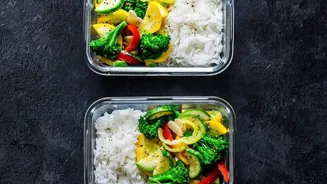
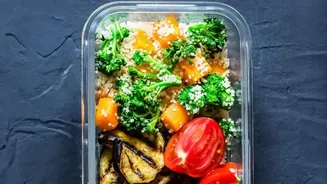
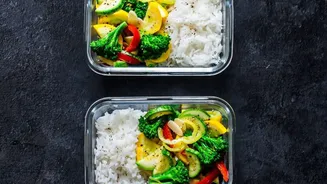
Your weekend session is for heartier dishes that improve with time. These form the backbone of your meals for Monday, Tuesday, and Wednesday. Excellent choices include dishes that are braised, stewed, or slow-cooked. Think rajma, chole, meatloaf, lasagne, and other saucy pasta dishes. These dishes are ideal because their flavours only get better after a day or two in the fridge. Big-batch grains like quinoa or rice can also be cooked now. Roasted root vegetables such as carrots, sweet potatoes, and beets hold up well and can be added to various meals.
Mid-Week Top-Up: Quick and Fresh
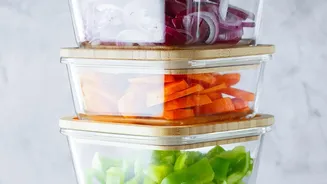
Your second, shorter cooking session is for fasterer cooking items to keep meals interesting for the latter half of the week. This is the time to prepare components rather than complete meals. You could grill or bake a few chicken breasts, which can then be sliced for salads or wraps. You might also chop vegetables for a quick stir fry or prepare a fresh sauce or dressing to liven up the base ingredients you cooked over the weekend. This session keeps your menu dynamic and ensures you're not eating food that's been sitting for too long.
Dishes That Reheat Beautifully
Focus on recipes that have a good amount of liquid or a robust structure. Curries and Dals: The spices in dishes like chicken tikka masala, chole, and lentil dal become deeper and more integrated overnight. Soups and Stews: Flavours in chilli, beef stew, and hearty vegetable soups have more time to mingle, resulting in a richer taste. Braised and Slow Cooked Meats: Tougher cuts of meat that are cooked low and slow become incredibly tender and absorb the surrounding sauce, making them perfect for reheating. Lasagne and Baked Pasta: Tomato based sauces tend to become less runny and the flavours concentrate, making these dishes a top contender for leftovers.
Foods to Handle with Care
Not everything is built for batch cooking. Avoid dishes you want to be crispy, like fried chicken or anything breaded. Delicate greens will wilt, and creamy dairy based sauces can sometimes separate when reheated. While you can cook pasta ahead, it's often best to store the sauce separately and cook the pasta fresh to avoid a mushy texture. When reheating rice or other grains, adding a splash of water and covering the container helps steam them back to a fluffy consistency.