






What is Over-Exfoliation?
Exfoliation is the process of removing dead cells from the surface of your skin, either physically with scrubs and brushes, or chemically with acids like AHAs and BHAs. When done correctly, it reveals brighter, smoother skin. However, the 'more is better'
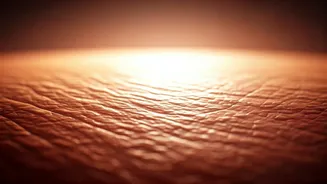
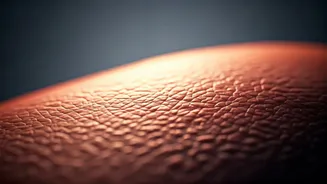
approach can backfire. Over-exfoliation happens when you strip away too many skin cells, including healthy ones, damaging your skin's protective barrier. This barrier, known as the stratum corneum, is crucial for locking in moisture and keeping out irritants. When compromised, it can no longer protect your skin effectively, leading to a host of issues.
The Telltale Signs You're Overdoing It
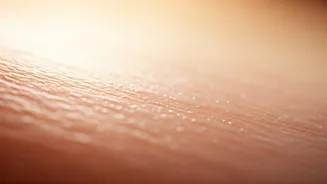
Not sure if you're guilty of over-exfoliating? Your skin will likely send clear signals. One of the most common signs is redness and irritation that doesn't subside quickly. Your face might feel tight, raw, or have a burning or stinging sensation, especially when you apply other products. Ironically, skin that has been over-exfoliated can sometimes appear very shiny, but this isn't a healthy glow; it's a sign of a stripped surface. You might also notice unusual dryness, flakiness, or peeling. Perhaps most confusingly, over-exfoliation can even lead to more breakouts, as the damage can trigger an overproduction of oil to compensate for the dryness.
How to Heal Your Damaged Skin Barrier
If these signs sound familiar, the first step is simple: stop exfoliating immediately. Put away all physical scrubs, acid toners, and retinoids for at least a week or two to give your skin a chance to recover. Simplify your routine down to the essentials: a gentle, non-foaming cleanser, a hydrating moisturizer, and a broad-spectrum sunscreen. Look for products with barrier-repairing ingredients like ceramides, hyaluronic acid, and squalane. Ceramides are lipids that act like the mortar between your skin cells, helping to rebuild the barrier's structure. The goal is to calm inflammation and rehydrate the skin, allowing it to heal itself.
Reintroducing Exfoliation Safely
Once your skin feels calm, hydrated, and back to normal—meaning no more stinging, redness, or tightness—you can consider reintroducing an exfoliant. The key is to start slow. Don't go back to your old routine. Choose one gentle exfoliating product and begin by using it just once a week. Pay close attention to how your skin responds. According to dermatologists, most people only need to exfoliate one to three times per week. Those with oily skin might tolerate more frequent exfoliation, while those with dry or sensitive skin should stick to once a week, or even less. Many experts suggest opting for a mild chemical exfoliant over a harsh physical scrub, as they can be less abrasive.
Listen to Your Skin
Ultimately, there is no universal rule for how often to exfoliate. The right frequency depends entirely on your skin type, your environment, and the products you use. The most important thing is to learn to read your skin's signals. A little tingling might be normal with some products, but pain, persistent redness, and irritation are not. Exfoliation should be a supportive step in your routine, not an aggressive one. The aim is to achieve healthy, resilient skin, and sometimes that means doing less, not more. By finding a gentle and balanced approach, you can get the glow you're after without compromising your skin's health.