



Spiti Valley, Himachal Pradesh
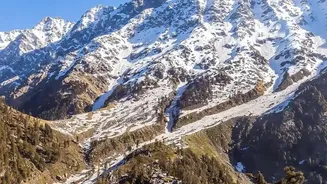
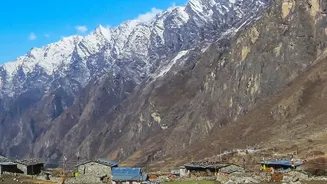
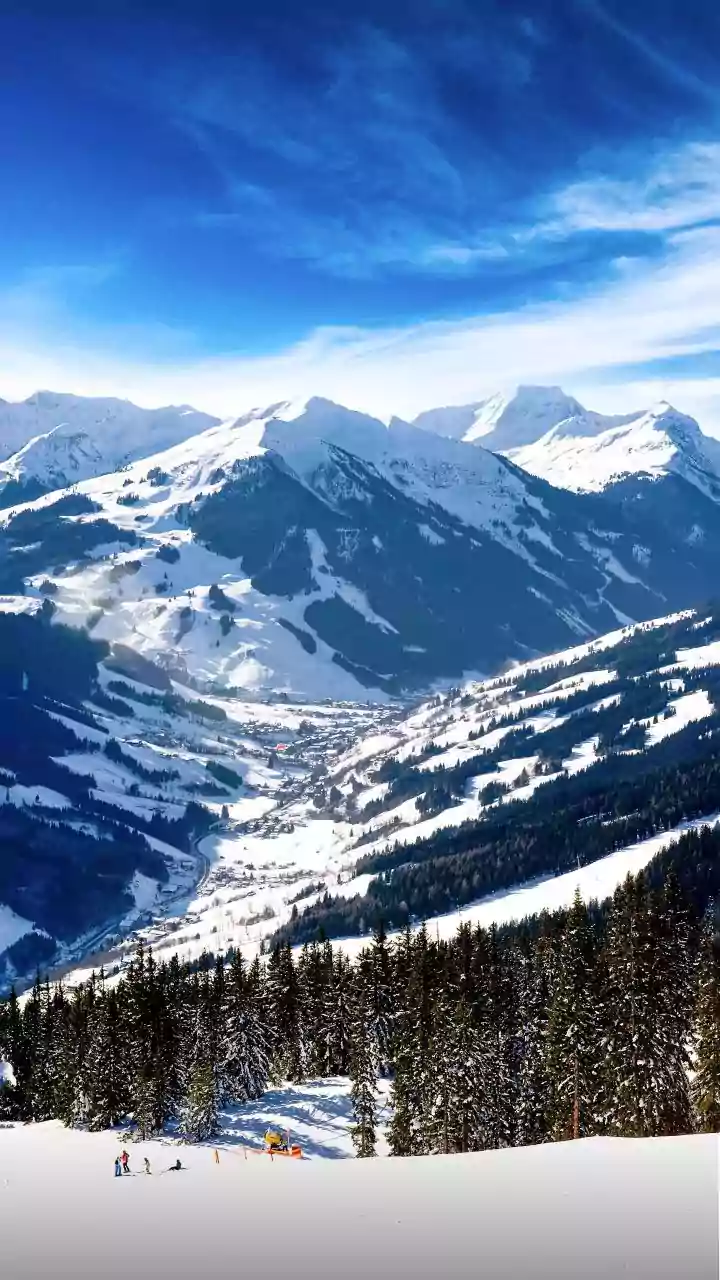
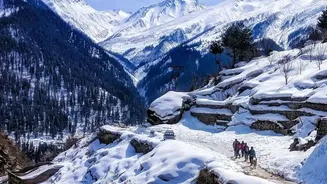
Often called 'Little Tibet', Spiti is a high-altitude cold desert that offers some of the darkest skies in the country. During winter, the landscape is a stark, snow-covered paradise. The thin, dry air and extreme altitude (most villages are above 4,000
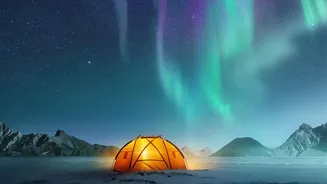
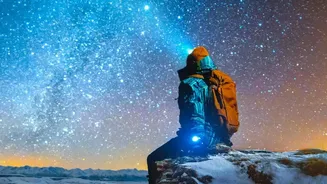
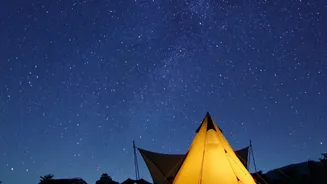
metres) mean minimal atmospheric disturbance, making the stars appear exceptionally sharp and brilliant. Camping here is for the truly adventurous due to the harsh conditions, with temperatures often dropping well below freezing. However, the reward is unparalleled. Villages like Kaza, Kibber, and Langza serve as bases, though winter access can be challenging. On a clear, moonless night, the Milky Way stretches across the sky, a sight that makes the cold feel insignificant. For those prepared for the extreme cold, a winter trip to Spiti offers a celestial experience that feels otherworldly.
Hanle, Ladakh
For the most dedicated stargazers, Hanle in Ladakh is the ultimate destination. It is home to India's first official Dark Sky Reserve, a designation given to places with exceptionally dark and clear night skies. Located on the Changthang Plateau at an altitude of 4,500 metres, Hanle hosts the Indian Astronomical Observatory, a testament to its world-class viewing conditions. The region's bone-dry climate and minimal light pollution create a pristine window to the cosmos. While winter camping here is an extreme endeavor reserved for the well-prepared, the visual payoff is immense. You can see not just constellations but also nebulae and distant galaxies with remarkable clarity. Local communities are even trained as 'Astronomy Ambassadors', offering guided experiences that enrich a visit to this remote celestial haven.
Kedarkantha Trek, Uttarakhand
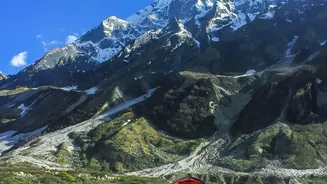
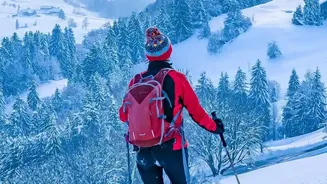
If you're looking for a more accessible yet equally magical winter adventure, the Kedarkantha trek is a perfect choice. It is one of India's most popular winter treks, known for its stunning panoramic summit views and snow-laden pine forests. The campsites along the route, such as Juda Ka Talab, are located far from any significant light pollution. At an altitude of around 12,500 feet, you are high enough to be above the haze, allowing for crystal-clear night skies. Trekkers often spend their evenings huddled around a campfire, gazing up at a sky dense with stars. The combination of snowy landscapes, dense forests, and the brilliant night sky makes camping on the Kedarkantha trail a truly enchanting experience for beginners and seasoned trekkers alike.
Chopta, Uttarakhand
Often called the 'Mini Switzerland of India', Chopta is a picturesque hamlet surrounded by meadows and evergreen forests. It serves as the base for the trek to Tungnath temple and Chandrashila peak. In winter, the entire region is blanketed in snow, creating a serene and beautiful environment. The relatively low light pollution in the area makes it an excellent spot for stargazing. Camping in the open meadows of Chopta on a clear winter night offers a 360-degree view of the star-studded sky against a backdrop of majestic peaks like Trishul and Nanda Devi. It provides a great balance of accessibility and a pristine natural environment, making it ideal for those who want a spectacular night sky experience without undertaking a very strenuous trek.
Deoria Tal, Uttarakhand
This emerald lake, located at an altitude of about 2,438 metres, is another fantastic winter camping destination for stargazers. Reached via a short trek from Sari village, Deoria Tal offers a breathtaking bonus: on calm nights, the still waters of the lake perfectly reflect the star-filled sky and the surrounding snow-capped peaks, creating a mirror to the heavens. The campsites are situated near the lake, offering an unobstructed view of the cosmos. It's a relatively easy trek, making it suitable for families and beginners. The experience of watching thousands of stars reflected in the water, doubling the celestial spectacle, is profoundly magical and a dream for photographers.