







Hill Stations Prone to Landslides
The charm of misty hill stations multiplies during the monsoon, but so do the dangers. Heavy rainfall saturates the soil on steep slopes, leading to a high risk of landslides. Popular destinations in Himachal Pradesh, Uttarakhand, and West Bengal are
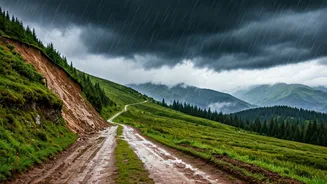
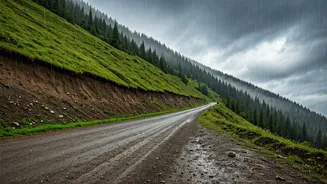
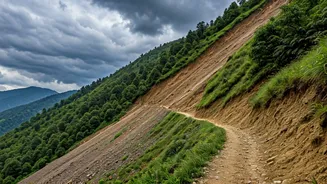
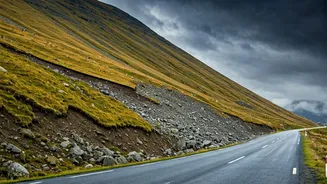
particularly vulnerable. [3, 4] For example, areas like Shimla, Manali, Mussoorie, Nainital, and Darjeeling frequently experience landslides that can block roads, damage property, and pose a direct threat to life. [5, 6] In recent years, increased construction has further destabilized many of these slopes, making them even more treacherous during prolonged downpours. [6, 8] The India Meteorological Department (IMD) often issues warnings for these regions, and it is crucial to heed them. [11] Road closures are common, sometimes leaving tourists stranded for days. [4, 6]
Swollen Rivers and Powerful Waterfalls
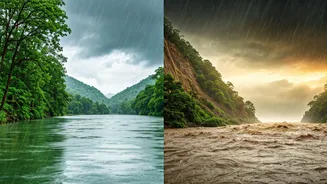
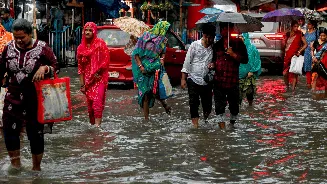
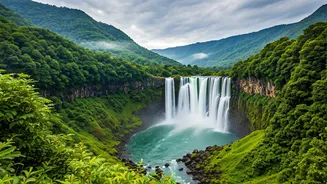
The same rains that green the landscape also cause rivers and waterfalls to swell to magnificent but dangerous proportions. Areas near riverbanks, especially in the Himalayan states, are susceptible to flash floods. [16] A river that appears calm can become a raging torrent within hours due to a cloudburst upstream. [4] Destinations famous for river rafting, like Rishikesh, become unsafe as the Ganga's water level can surge unexpectedly. [9] Similarly, the temptation to get close to a thundering monsoon waterfall should be resisted. The force of the water is immense, and the surrounding rocks are slippery and unstable. Incidents of tourists being swept away are tragic but common during this season. It's wiser to admire these water bodies from a safe distance.
Coastal Areas and Beaches
While the image of rain lashing the sea is romantic, monsoon is not the time for a beach holiday. Strong currents and high tides make swimming extremely dangerous, with a high number of drowning incidents reported each year in places like Goa and along the Bay of Bengal. [14] Many beach shacks and water sports operators shut down for the season, and official warnings are posted for a reason. [14, 15] Beyond the water, coastal roads can become waterlogged or damaged by the constant rain and wave action, making travel difficult. The U.S. Travel Advisory specifically warns against swimming in the ocean during India's monsoon season due to these strong, unpredictable currents. [14]
Trekking Routes and Remote Regions
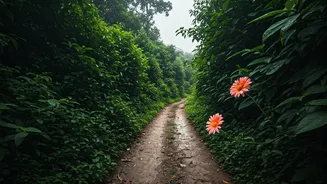
For adventure seekers, monsoon treks can seem appealing, with their verdant trails and dramatic skies. However, these treks are fraught with peril. Trails become muddy and extremely slippery, increasing the risk of falls. More seriously, heavy rains can wash away paths and trigger flash floods in narrow valleys. [20] Remote regions like Spiti Valley, while beautiful, become difficult to access as connecting roads are often blocked by landslides. [15] Similarly, the Char Dham Yatra in Uttarakhand is frequently suspended during monsoon due to landslides and floods. [20] The Northeast, including states like Sikkim and Arunachal Pradesh, also sees significant travel disruption due to landslides and road closures on key highways. [5, 24]
Areas with Active Weather Alerts
Before planning any trip, the most crucial step is to check for weather alerts from official sources like the IMD. [11, 12] As of late June 2026, the monsoon has been active, with heavy rainfall warnings issued for various regions, including the west coast, central India, and the northeast. [19, 21] For instance, recent alerts have highlighted the risk of very heavy rainfall and flash floods in parts of Maharashtra, Karnataka, and Arunachal Pradesh. [7, 23, 24] These warnings are not to be taken lightly. They are based on scientific data and indicate a real threat to safety. Travelling to a region under a red or orange alert means knowingly putting yourself at risk of getting caught in severe weather events, which can disrupt travel, power, and communication lines.