



ISRO's New Commercial Focus
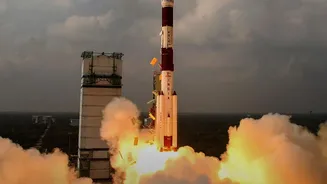
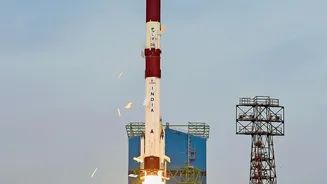
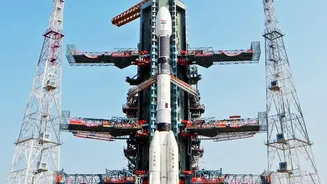
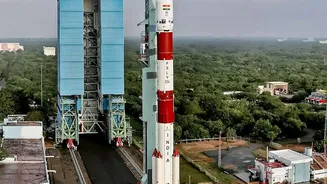
The Indian Space Research Organisation (ISRO) is undergoing a strategic evolution. While it continues to be the nation's leader in space research and exploration, its focus is expanding. A major part of this shift involves handing over mature technologies
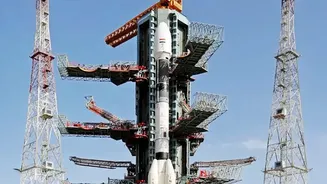
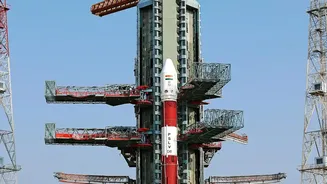
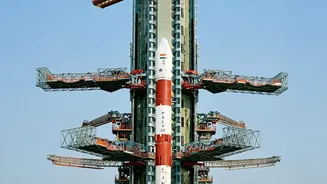
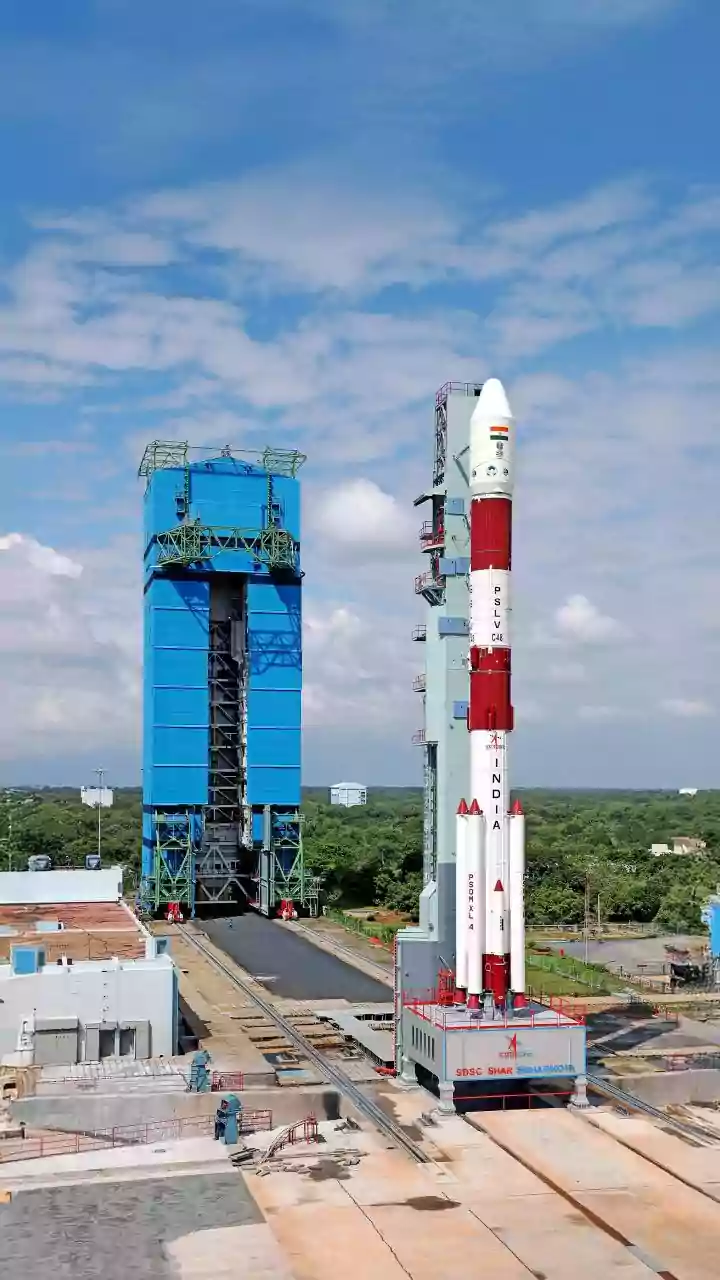
and routine operations to the private sector. This move is spearheaded by NewSpace India Limited (NSIL), ISRO's commercial arm, established in 2019. Unlike its predecessor, Antrix, which primarily marketed ISRO's services, NSIL has a broader mandate: to enable Indian industries to take on high-tech space activities, manufacture launch vehicles like the PSLV and SSLV, and build satellites on a demand-driven basis. This transition allows ISRO to concentrate on advanced research and development, including ambitious projects like human spaceflight, while NSIL cultivates a market-oriented space industry.
The Rise of the Space Startups
The opening of the space sector in 2020 has catalyzed a startup boom. Today, there are over 400 private space startups in India, a dramatic increase from just a handful a few years ago. Companies like Skyroot Aerospace and Agnikul Cosmos are at the forefront, developing their own launch vehicles to offer cost-effective satellite launch services. Skyroot made history by launching India's first privately developed rocket, Vikram-S, while Agnikul has pioneered 3D-printed rocket engines and established its own private launchpad at ISRO's facility. Other notable startups include Pixxel, which is building a constellation of Earth-observation satellites, and Bellatrix Aerospace, focused on satellite propulsion systems. This diversification shows that private players are building an integrated ecosystem, tackling everything from launch to in-space services.
Policy as a Launchpad
This entrepreneurial surge is no accident; it is the direct result of deliberate policy reforms. The Indian Space Policy 2023 is the cornerstone of this new era. It formally allows Non-Governmental Entities (NGEs) to undertake end-to-end space activities—from building and launching rockets and satellites to providing space-based services. To facilitate this, the government established the Indian National Space Promotion and Authorisation Centre (IN-SPACe) as a single-window agency. IN-SPACe acts as a regulator and promoter, helping private companies access ISRO's facilities, expertise, and technology, thereby creating a level playing field. Furthermore, amended FDI policies now permit up to 74% foreign direct investment in satellite manufacturing and up to 49% in launch vehicles, attracting crucial global capital.
A Symbiotic Relationship
The relationship between ISRO and the new wave of startups is not one of competition, but of synergy. ISRO acts as a mentor and an anchor client, providing the critical infrastructure and technical guidance that young companies need. Private players, in turn, bring agility, innovation, and private capital, which helps accelerate the commercialization of space technology. For example, ISRO's expertise in launch vehicle technology is being transferred to the private sector, allowing companies like Skyroot and Agnikul to build upon decades of research. This collaboration enables ISRO to focus its resources on strategic missions, while the private sector addresses the growing commercial demand for satellite launches and data services, which ISRO alone cannot meet.
The $44 Billion Horizon
The economic potential is immense. India’s space economy, valued at around $8.4 billion, is projected to reach $44 billion by 2033. The goal is to increase India's share of the global space market from the current 2-3% to around 8%. This growth is expected to create high-skilled jobs and spur innovation across multiple sectors that rely on space technology, including communications, agriculture, disaster management, and national security. While challenges like access to consistent funding remain, the trajectory is clear. With strong government backing and a burgeoning class of entrepreneurs, India is moving from being a government-led space power to a global hub for space commerce.