



The Modern Fibre Fix
In recent years, fibre has become a wellness buzzword. From powders stirred into water to cereals fortified with extra bran, the market for fibre supplements in India is growing rapidly, expected to reach over USD 800 million by 2030. This 'Western packaging'
approach presents fibre as a specific, isolated nutrient you add to your diet, often at a premium price. It feeds into the idea that health is something you buy, a product to be consumed rather than a lifestyle to be lived. While these supplements can have a place, they overlook a simpler, more delicious, and culturally resonant truth: the traditional Indian diet is already a powerhouse of fibre.
What is Fibre, Anyway?
Before we go further, let's quickly demystify fibre. It's a type of carbohydrate that our bodies can't digest. There are two main kinds, and we need both. Soluble fibre dissolves in water to form a gel-like substance; it helps control blood sugar and lower cholesterol. Think of the soft texture of cooked oats or beans. Insoluble fibre doesn't dissolve; it adds bulk to stool and helps things move along smoothly, preventing constipation. This is the roughage you find in whole grains and vegetable skins. A healthy diet naturally contains a mix of both. The Indian Council of Medical Research recommends that adults consume at least 40 grams of fibre daily, though studies show many urban Indians get only half that.
The Indian Thali's Built-In Advantage
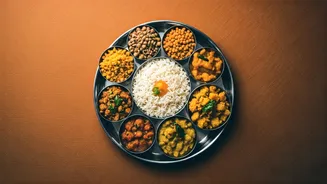
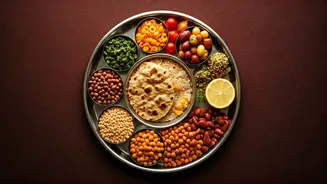
A traditional Indian meal is a masterclass in balanced nutrition, with fibre woven into its very fabric. Think of a simple plate: a whole wheat roti, a bowl of dal, a vegetable sabzi, and a side of salad. This isn't just a random assortment; it's a synergistic combination of fibre sources. The whole wheat in the roti provides insoluble fibre. The dal (lentils) is packed with soluble fibre. The vegetables offer a mix of both, along with essential vitamins and minerals. For generations, this dietary pattern has naturally promoted digestive health without ever needing a label that screamed 'High Fibre!'. The problem isn't the absence of fibre in our cuisine, but the modern shift away from these whole foods toward more refined and processed options.
Your Kitchen's Fibre All-Stars
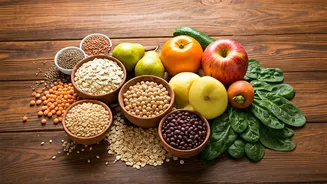
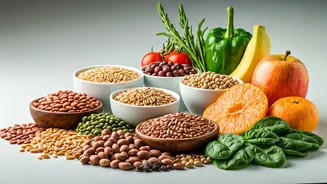
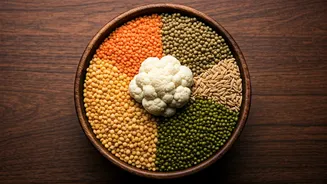
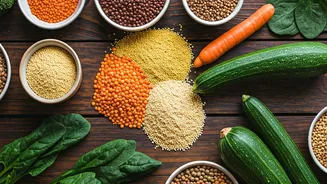
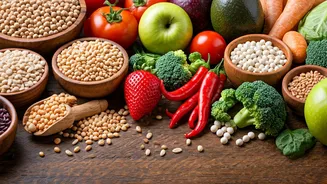
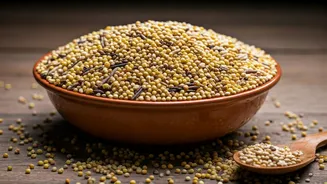
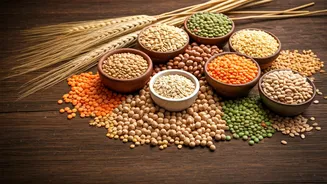
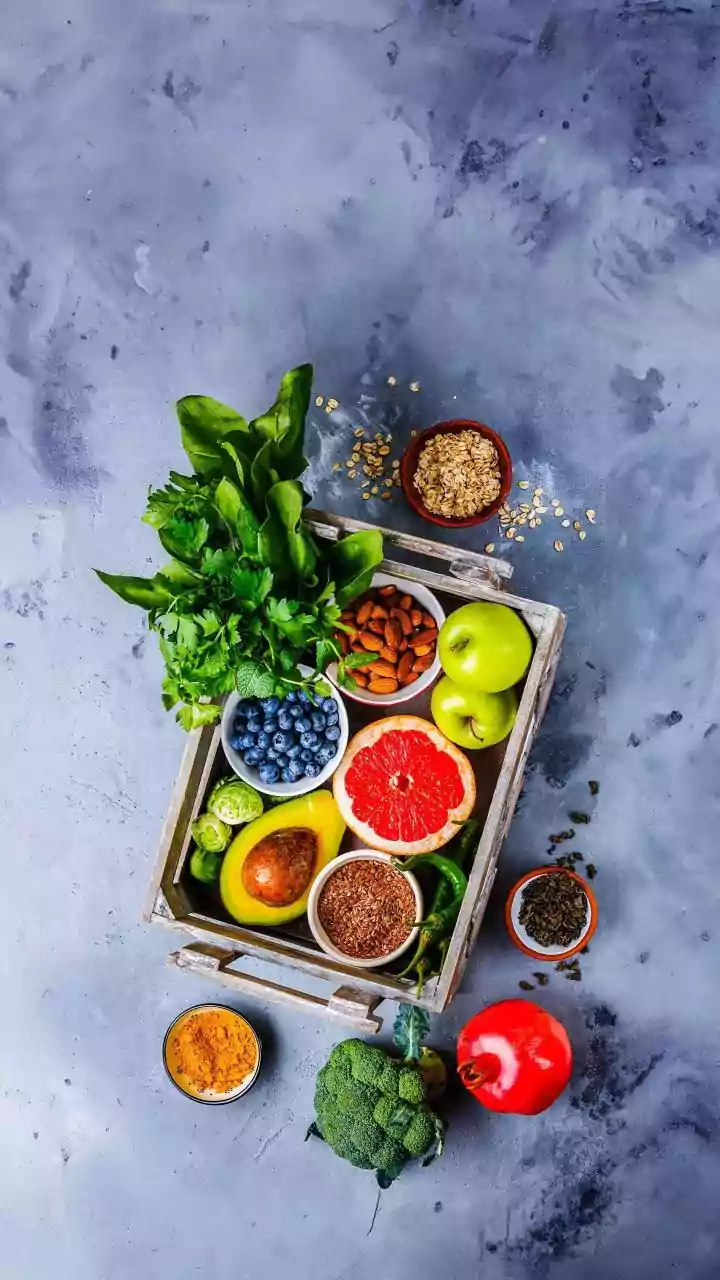
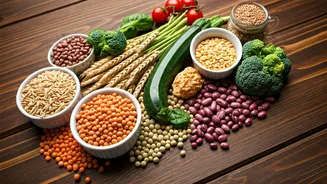
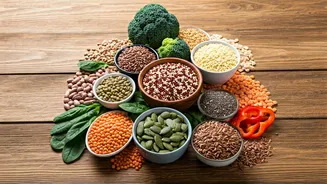
You don’t need to hunt for exotic ingredients to meet your fibre goals. The heroes are likely already in your pantry. Millets like jowar, bajra, and ragi are stellar sources of fibre and have been staples for centuries. A single serving of millets can provide a significant portion of your daily needs, helping with everything from blood sugar control to heart health. Lentils and legumes, from masoor and moong dal to rajma and chana, are fibre and protein giants. Everyday vegetables like okra (bhindi), spinach (palak), and beans are also excellent contributors. Even common fruits such as guavas, apples (with the skin), and bananas are loaded with beneficial fibre.
Simple Swaps for a Major Boost
Increasing your fibre intake doesn't require a radical diet overhaul. It's about making small, intelligent choices. Swap white rice for brown rice or, even better, for millets like jowar or bajra a few times a week. Choose whole wheat (atta) rotis over those made with refined flour (maida). Instead of reaching for a packaged snack, grab a handful of roasted chana or a seasonal fruit. When you make juice, you strip out most of the beneficial fibre, so eating the whole fruit is always a better option. And don't forget the power of seeds; a spoonful of flaxseeds or chia seeds in your yoghurt or porridge can add an easy fibre punch.