


The Paradox of the Green Desert
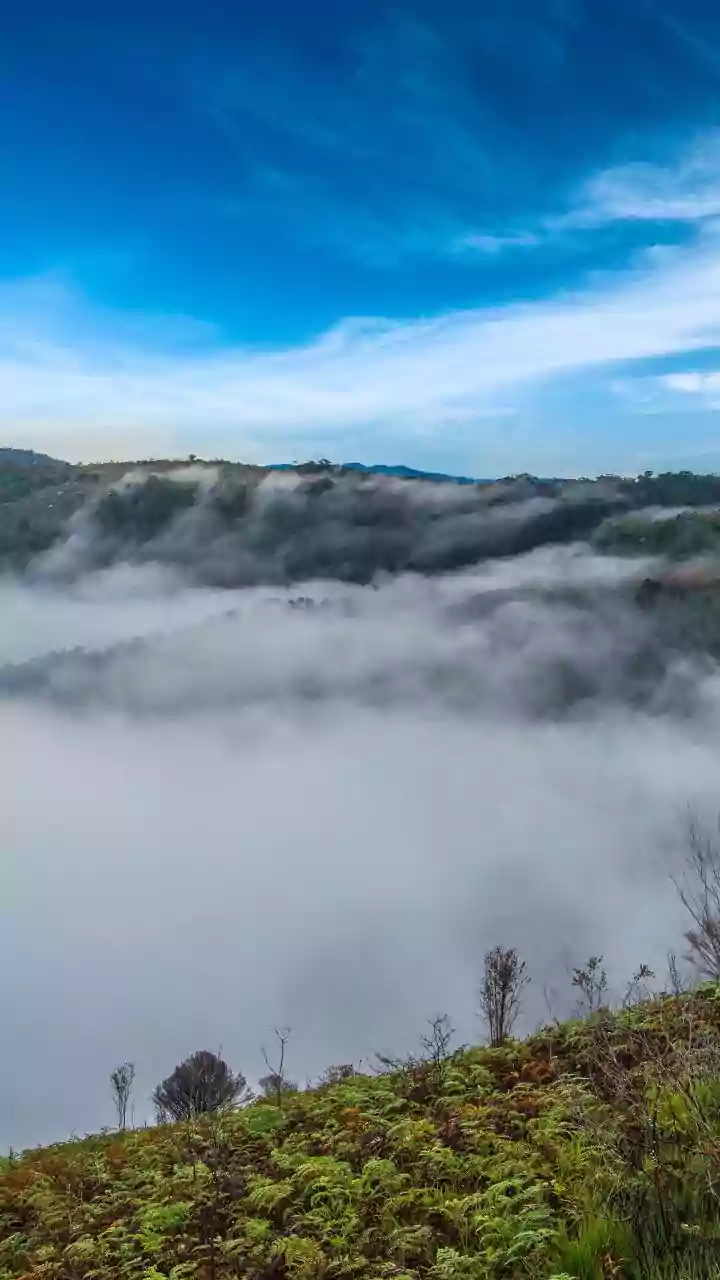
One of the most surreal aspects of Cherrapunji, or Sohra as it is locally known, is its transformation into what ecologists call a 'green desert'. It’s a baffling contradiction: a place that receives record-breaking rainfall, yet struggles with water
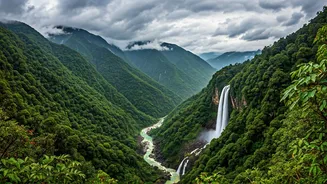
scarcity and soil erosion. The reason is the very intensity of the monsoon. The torrents are so powerful that they wash away the topsoil, preventing the growth of deep-rooted forests on the upper plateaus. What’s left is a thin layer of soil over a porous limestone base, supporting only grasslands that turn a vibrant green in the monsoon but leave the land looking stark and bare afterwards. This stripped-down, rugged terrain, dotted with monoliths and deep gorges, creates a desolate yet majestic panorama that feels less like Earth and more like a sci-fi film set.
Nature's Living Architecture
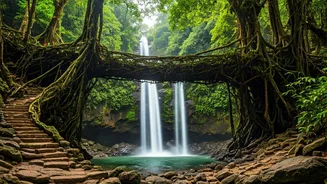
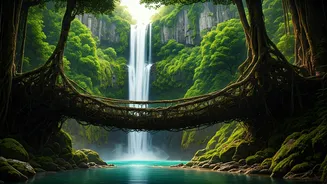
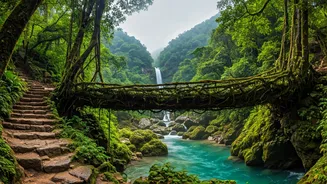
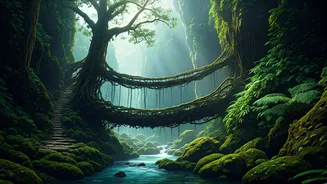
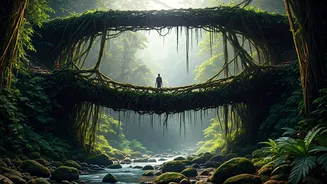
Perhaps nothing looks more 'out of this world' than Cherrapunji's living root bridges. These are not built, but grown. For centuries, the indigenous Khasi and Jaintia people have guided the aerial roots of the Ficus elastica (rubber fig) tree across rivers and ravines, weaving them into intricate, functional bridges that strengthen over time. Walking across these tangled, moss-covered structures feels like stepping into a fantasy novel. They are a testament to a symbiotic relationship between humans and nature, an organic architecture that defies modern engineering principles. The most famous, the 'Jingkieng Nongriat' double-decker bridge, is a particularly jaw-dropping example of this ancient, sustainable craft.
A World Beneath Your Feet
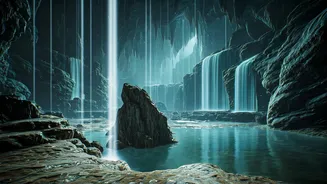
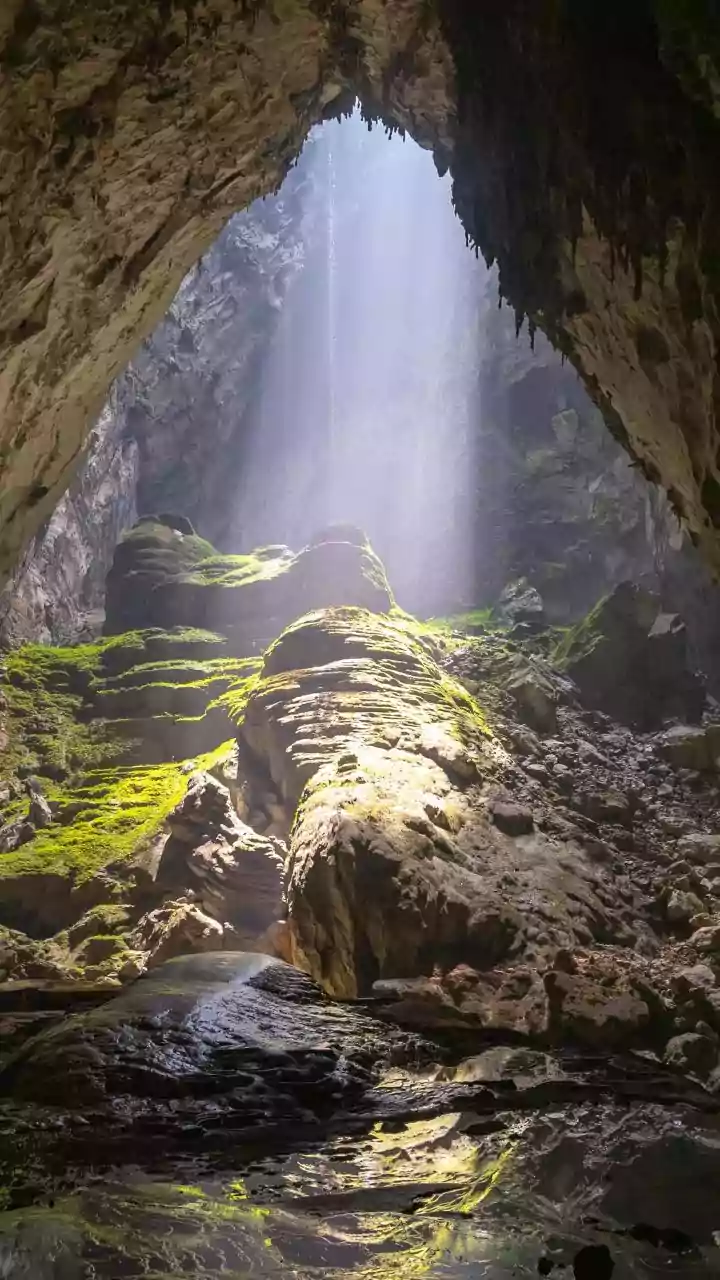
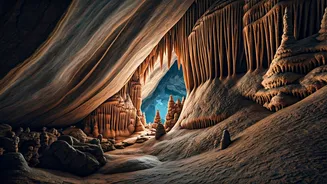
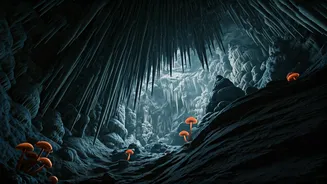
The secret to Cherrapunji's otherworldly landscape lies underground. The entire region is a karst landscape, formed by the dissolution of soluble rocks like limestone. The relentless rain seeps through the surface, carving out one of the most extensive and complex cave systems in Asia. Rivers suddenly disappear into sinkholes, travelling for kilometres through subterranean passages before re-emerging elsewhere. These caves are alien ecosystems in themselves, complete with their own unique formations—stalactites, stalagmites, and shimmering rock curtains. Exploring Mawsmai Cave, with its narrow passages and grand chambers, gives you a glimpse into this hidden world that shapes the visible surface, creating a land that is literally hollowed out and full of secrets.
Waterfalls That Defy Logic
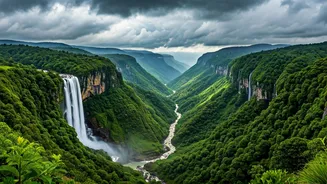
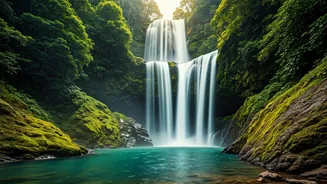
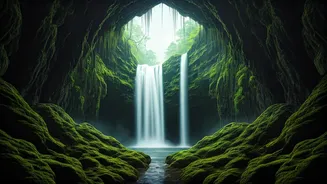
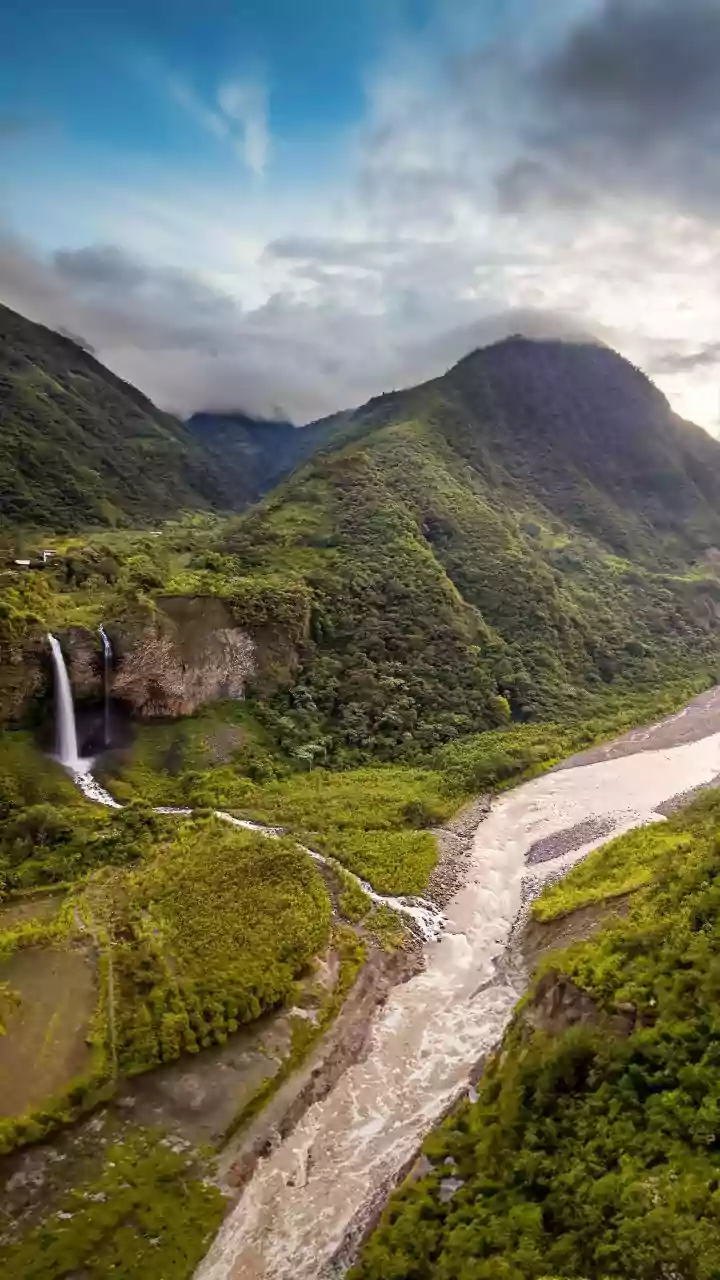
During and immediately after the monsoon, the landscape comes alive with countless waterfalls. But these aren’t ordinary falls. They don't just emerge from rivers; they seem to pour directly out of the sky and the cliff faces. Water that has seeped into the porous plateau finds its way to the edge of gorges and cascades down in spectacular fashion. Waterfalls like Nohkalikai—the tallest plunge waterfall in India—and the Seven Sisters Falls are at their most dramatic post-monsoon. They carve deep, green-blue plunge pools into the rock, adding to the region's palette of surreal colours. The sheer volume and number of these falls, appearing as if from nowhere, contribute immensely to the feeling that you are on another planet.
Why 'Now' Is Different
The 'now' in Cherrapunji's story is a tale of two timelines. In the short term, 'now' is the post-monsoon season (from October to February), when the rain subsides, the skies clear, and the landscape is at its most lusciously green and dramatically sculpted. But on a longer timeline, 'now' reflects a period of change. Climate change is making rainfall patterns more erratic and intense, accelerating soil erosion. Deforestation and mining in some areas have further scarred the land. This combination of timeless geological processes and modern pressures is sharpening the landscape's features, making its unique characteristics—the bare plateaus, deep gorges, and plunging waterfalls—even more pronounced and, in a way, more 'otherworldly' than ever before.