


The Return to Traditional Aesthetics
After years of experimenting with modern and minimalist festive looks, there's a collective return to the classics. Decor experts note that for Navratri 2026, the focus is less on fleeting trends and more on creating a warm, inviting, and spiritually
resonant atmosphere. Flowers and rangoli are at the heart of this shift, celebrated for their symbolic purity, vibrant colours, and deep cultural roots. This trend isn't about rejecting the new, but rather about integrating it thoughtfully with tradition. It’s a move towards authenticity, where decor feels personal and connected to the spirit of the festival. This approach prioritises creating a mood over just filling a space with objects.
Flower Rangoli: A Fragrant Welcome
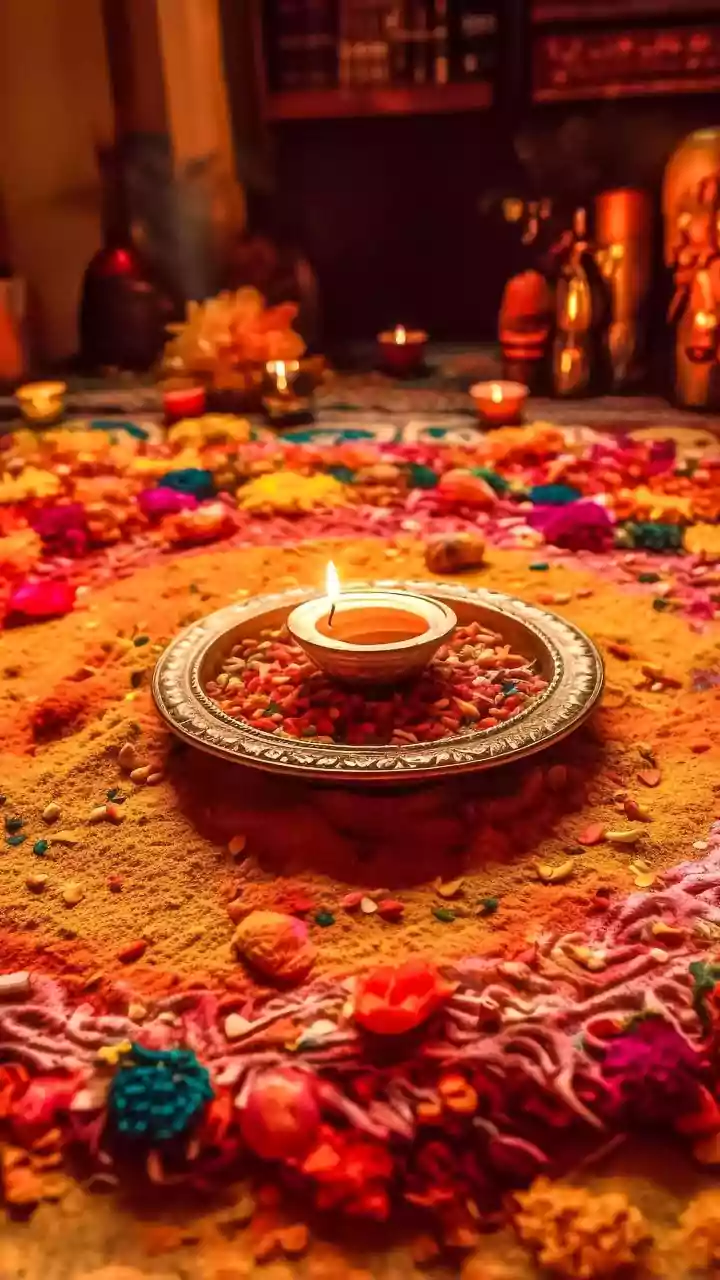
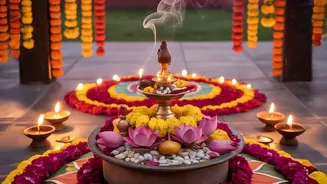
One of the most visible trends is the resurgence of rangoli made entirely from flower petals. While coloured powders remain popular, petal rangolis offer a unique combination of colour, texture, and fragrance. Marigolds, with their auspicious yellow and orange hues, are a favourite, often combined with the contrasting purity of white jasmine or chrysanthemum petals. These designs are not only beautiful but also eco-friendly, as the flowers can be composted after the festival. For a simple yet stunning effect, many are creating circular patterns at their entrance or in the pooja room, often placing a brass urli or a cluster of diyas at the centre.
Marigold Garlands Reimagined
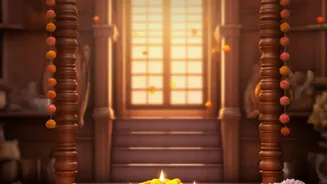
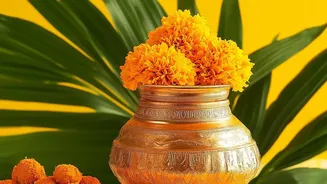
Marigold garlands, or 'genda phool,' are a quintessential part of Indian festivals, and for Navratri 2026, they are being used in more creative ways than ever. Instead of just traditional door torans, stylists are creating dense floral curtains as backdrops for idols or seating areas. These vibrant hangings, sometimes interspersed with mango leaves, add an instant festive feel. Another popular idea is to create canopies or arches entirely of marigolds, transforming a simple corner into a divine space. This classic combination, especially against a white or gold background, gives a rich, celebratory feel with minimal effort.
Floating Flower Arrangements
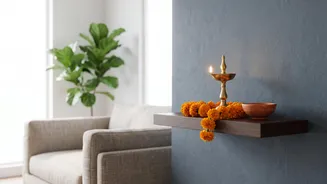
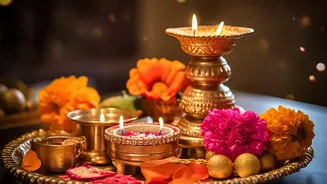
A simple but profoundly elegant decor idea making a big comeback is the floating flower arrangement. Large, shallow brass or clay bowls (urlis) are filled with water and adorned with floating flowers and tea-light candles. This creates a serene and beautiful centrepiece for a living room table or a welcoming sight in the entryway. Using a mix of flowers like roses, marigolds, and jasmine adds a splash of colour and a gentle, natural fragrance to the home, enhancing the spiritual and festive ambiance. This decor element is easy to assemble and maintain, requiring only fresh flowers and water each day to keep it looking vibrant throughout the nine nights.
Combining Rangoli with Earthen Diyas
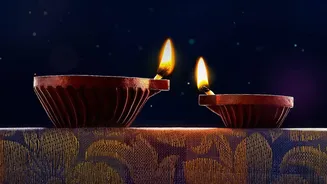
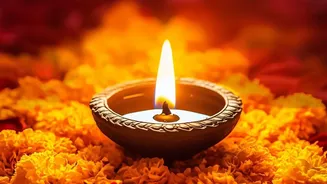
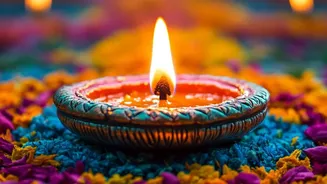
The synergy between rangoli and light is being highlighted this year. Intricate rangoli patterns, whether made with colours or flowers, are being beautifully illuminated with hand-painted earthen diyas. Placing diyas along the borders of a rangoli or at its centre makes the design come alive, especially in the evenings. This combination is fundamental to festive decor, symbolizing the triumph of light over darkness. Many are opting for traditional clay diyas over electric lights to add a more rustic and authentic touch to their festive styling. The warm, flickering glow of the diyas enhances the colours of the rangoli, creating a captivating and auspicious welcome at the doorstep.
An Eco-Conscious Celebration
This renewed focus on flowers and natural rangoli materials is part of a larger trend towards sustainability in festive celebrations. As more people become environmentally aware, they are choosing biodegradable decor over plastic and other synthetic materials. Flowers, clay diyas, and natural rangoli colours are seen as a way to celebrate generously while still being mindful of the planet. This conscious choice not only reduces waste but also supports local artisans and flower vendors, adding another layer of meaning to the festive preparations. By embracing these timeless traditions, families are finding that the most beautiful decorations are often the ones provided by nature itself.