
In the world of wellness, 'gut health' is the new buzzword, often paired with pricey supplements and complex regimes. But what if the secret to a happy gut is already in our kitchens, passed down through generations? It's time to rediscover it.
The Universe Within Your Gut
Before
we dive into the foods, let's talk about what we're feeding. Your gut is home to trillions of microorganisms—bacteria, fungi, and viruses—collectively known as the gut microbiome. Think of it as a bustling city inside you. When this city is balanced and diverse, it helps with everything from digesting your food and absorbing nutrients to supporting your immune system and even influencing your mood. An imbalance, often caused by stress, poor diet, or medications, can lead to issues like bloating, fatigue, and lowered immunity. This is where the concept of 'good bacteria' or probiotics comes into play, helping to restore harmony in your inner ecosystem.
The Ancient Magic of Fermentation
Fermentation isn't a new trend; it's an ancient method of food preservation used by nearly every culture worldwide for centuries. The process involves microorganisms like bacteria and yeast breaking down the sugars and starches in food. This not only preserves the food but transforms it. During fermentation, these beneficial microbes produce compounds like lactic acid, which prevent spoilage while creating a food that is rich in probiotics. But the benefits don't stop there. Fermentation also makes food easier to digest and increases the availability of certain nutrients.
Unlocking More Nutrition from Your Food
One of the most remarkable benefits of fermentation is its ability to unlock more nutrition from what you eat. Many plant-based foods contain 'anti-nutrients' like phytates and lectins, which can bind to minerals like iron and zinc, preventing your body from absorbing them. The fermentation process breaks down these anti-nutrients. As a result, the bioavailability of essential minerals and vitamins, particularly B vitamins, increases, meaning your body can absorb and use them more effectively. For example, the fermentation of dough makes nutrients in bread more accessible, and fermented cabbage in sauerkraut is a great source of vitamins C and K.
Food First, Not Pills: A Smarter Choice
The wellness market is flooded with probiotic supplements, often with a hefty price tag. While these can be useful in specific situations, traditional fermented foods offer a more holistic and often more powerful alternative. A serving of fermented vegetables can contain a far greater diversity and number of beneficial bacteria than a standard probiotic capsule. For instance, some sources suggest just a couple of ounces of sauerkraut can have more probiotics than an entire bottle of 100 capsules. Furthermore, when you eat a fermented food, you're not just getting the probiotics; you're also getting fibre, vitamins, and other beneficial compounds created during fermentation that work together.
Health on a Budget
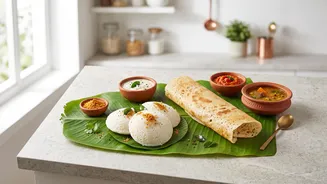
This brings us to the core advantage: cost. Supporting your gut health doesn't need to break the bank. A monthly supply of high-quality probiotic supplements can cost a significant amount. In contrast, a jar of fermented vegetables or a container of yogurt is dramatically cheaper. Many traditional Indian fermented foods like Dahi (curd), Idli, and Dosa are staples already present in many households. Making your own fermented foods like sauerkraut or Kanji at home is even more economical, requiring little more than basic ingredients and patience. This makes nurturing your gut microbiome a sustainable and accessible daily habit.
Delicious and Diverse Options to Try
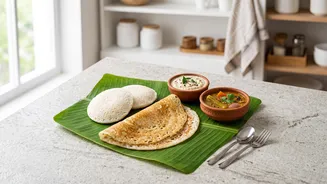
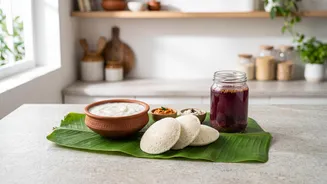
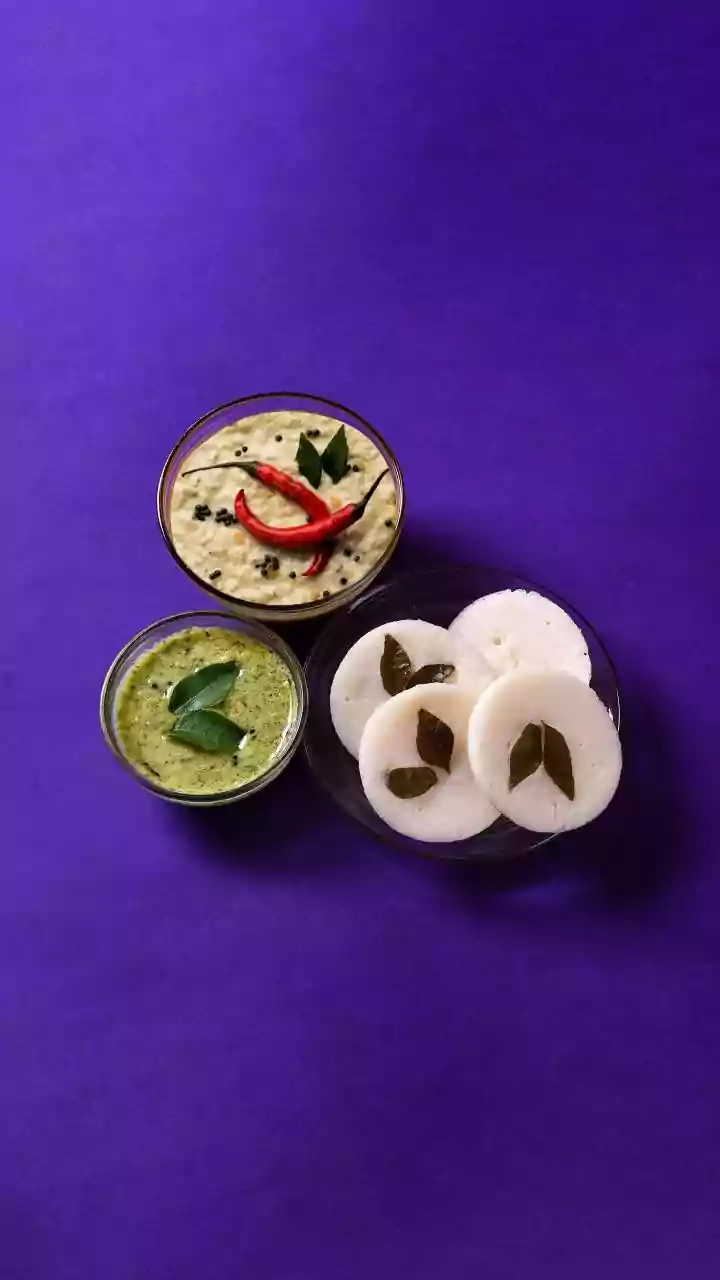
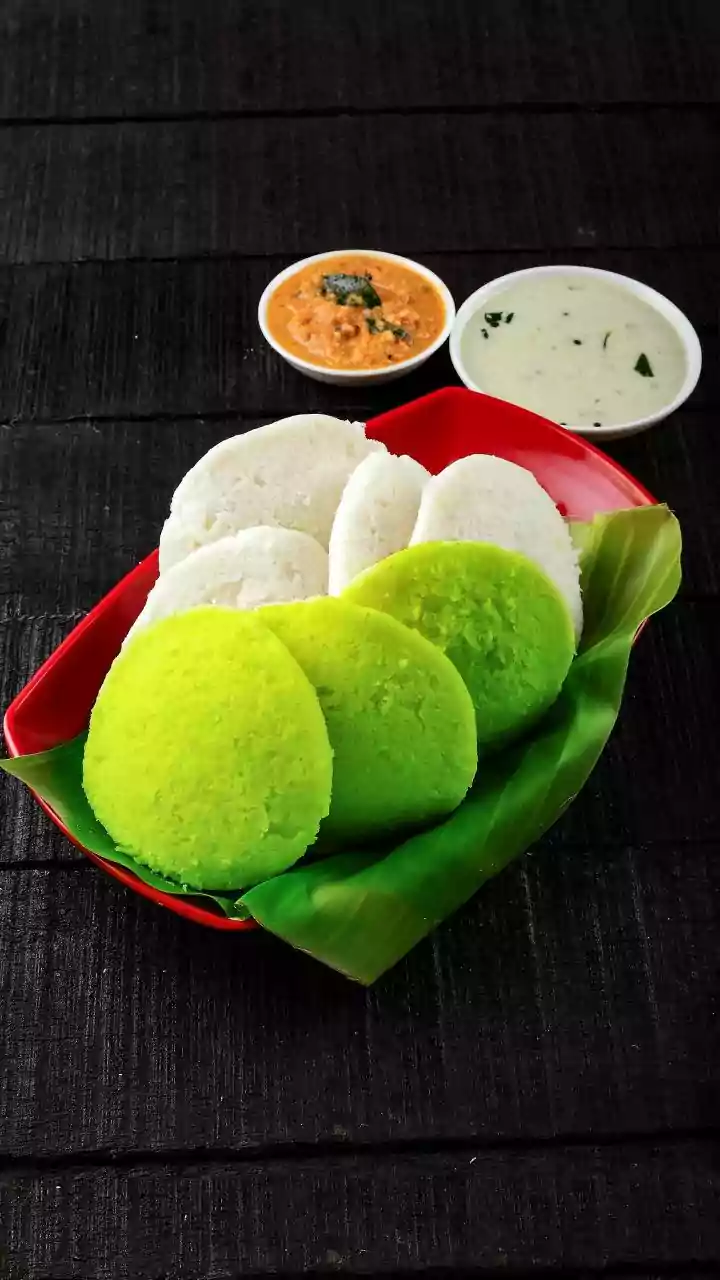
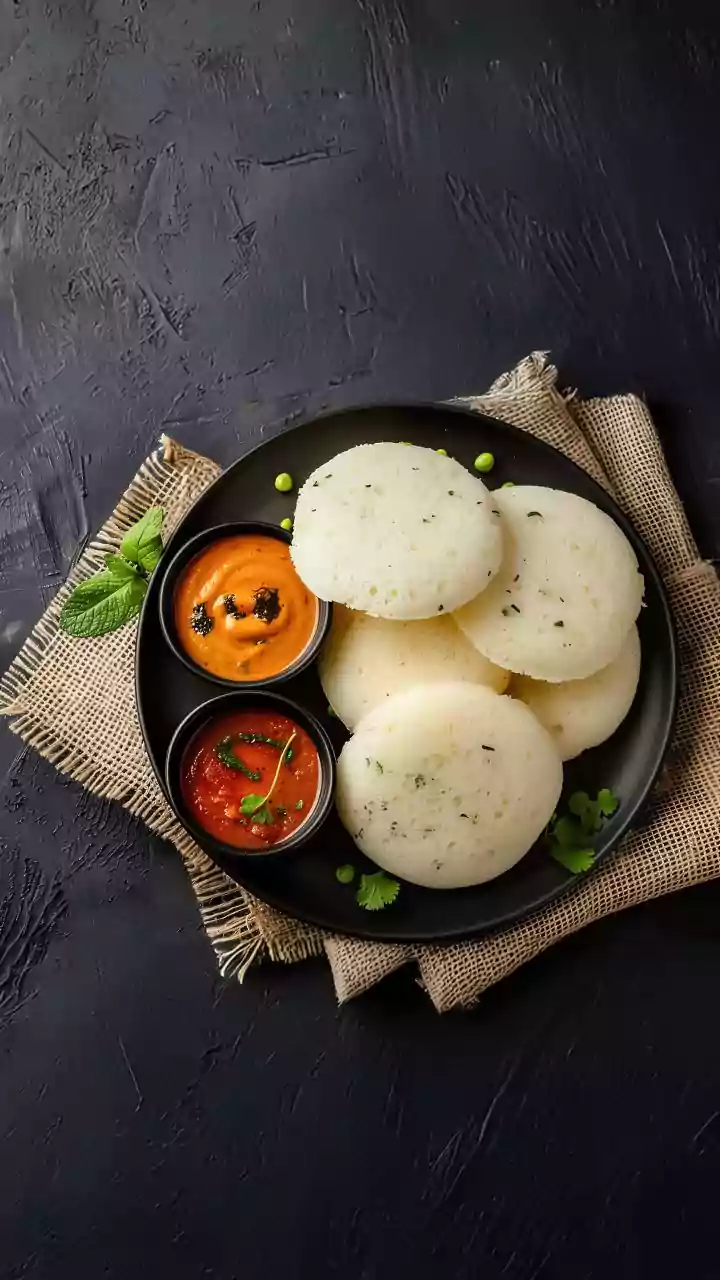
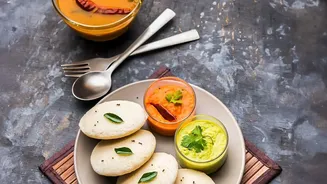
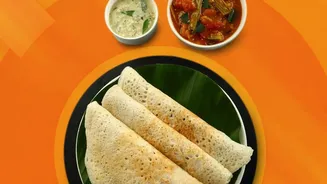
Incorporating fermented foods into your diet is easy because they are delicious. Many are likely familiar parts of your meals already. In India, the options are incredibly diverse and regional. Think of the cooling Dahi (curd) served with a meal, the fluffy Idlis and crisp Dosas from fermented rice and lentil batter, or the tangy Dhokla from Gujarat. North India offers Kanji, a zesty fermented carrot drink, while traditional pickles (the salt-and-oil-based kind) are a probiotic powerhouse found across the country. By embracing these traditional foods, you're not just eating—you're connecting with a rich culinary heritage that has always prioritized good health.