
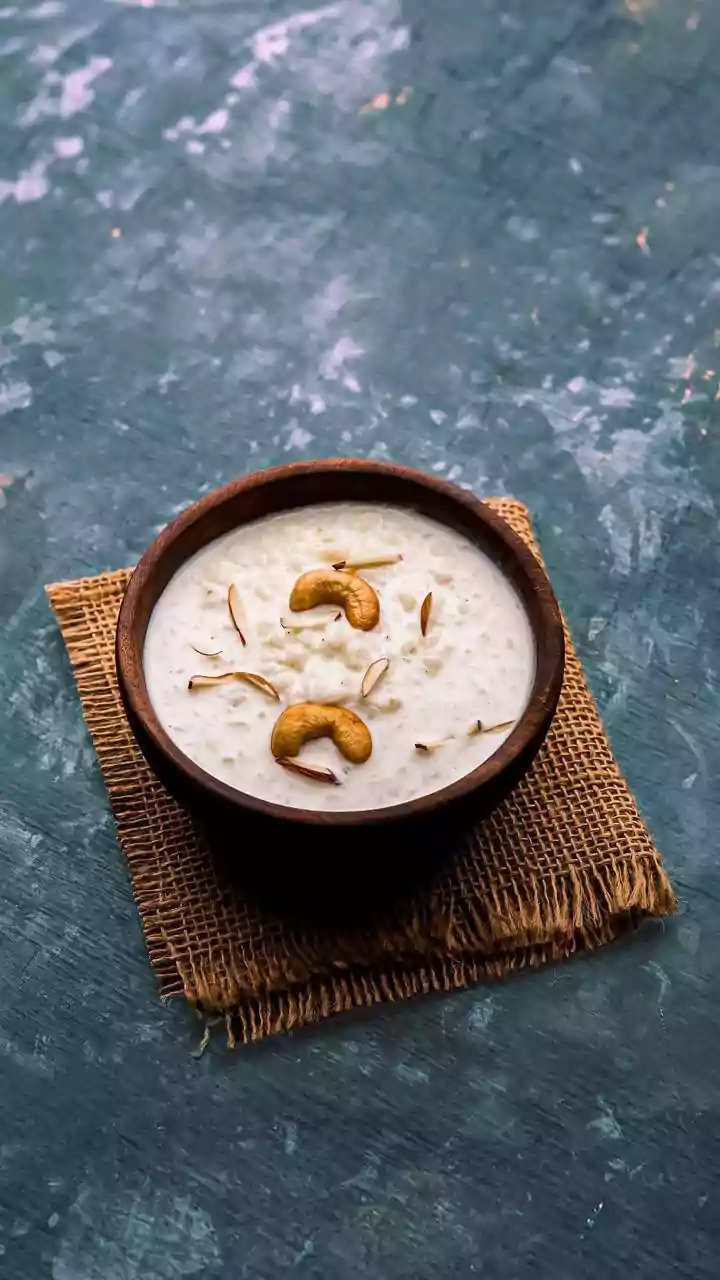




A Sweet Link to Heritage
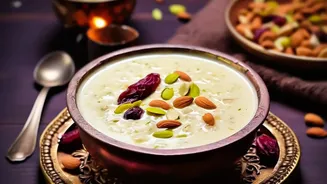
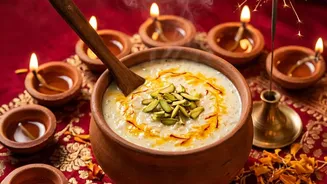
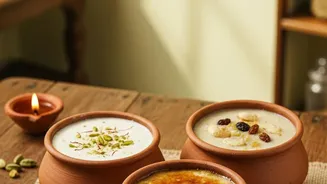
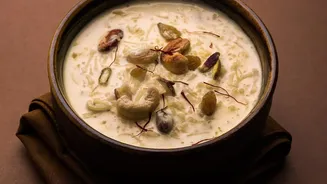
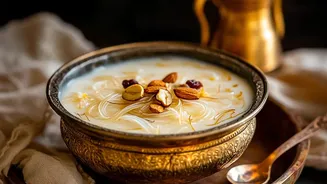
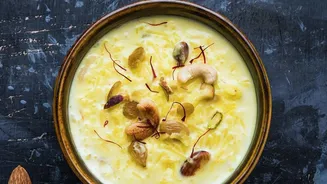
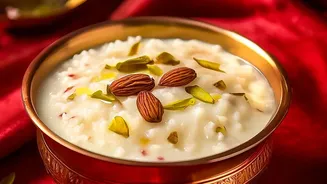
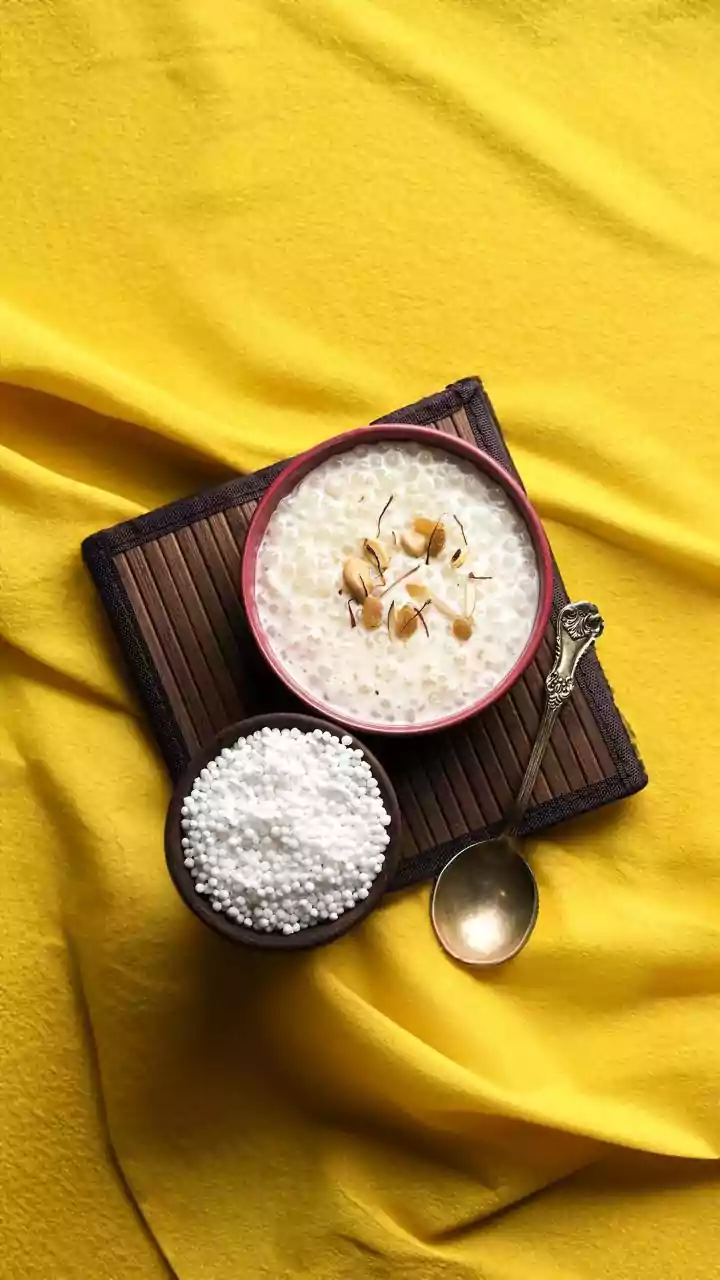
Known as ‘Rasawal’ in Punjabi, Ganne ki Kheer is a classic sweet dish that celebrates the sugarcane harvest. For generations, this dessert has been a staple during winter and harvest festivals, offering a comforting warmth and a connection to the land.
Unlike conventional kheer which relies on milk and sugar, this version is primarily cooked in sugarcane juice, or ‘ganne ka ras’, which acts as both the liquid and the sweetener. This process imparts a distinct flavour profile that is less about pure sweetness and more about deep, molasses-like notes. The dish is a testament to the ingenuity of Indian cuisine, transforming a simple crop into a celebrated delicacy.
The All-Natural Sweetener
The magic of this kheer lies entirely in the sugarcane juice. Using fresh 'ras' means you are sweetening the dish naturally, without any processed sugar. Sugarcane juice is prized not just for its sweetness but for its subtle, earthy taste which gives the kheer a light golden-brown hue and a rich aroma. When the juice is boiled, any impurities rise to the surface as scum, which can be skimmed off to ensure a cleaner taste and lighter colour for the final dish. This natural sweetener contains electrolytes and various minerals, making it a popular refreshing drink across India, and in this kheer, it provides a rustic flavour that processed sugar simply cannot replicate.
Ingredients for Ganne Ki Kheer
This recipe is beautifully simple and requires just a few core ingredients. You will need: 1 litre fresh sugarcane juice ½ cup short-grain rice (like Basmati or a local variety), soaked for 30 minutes and drained ½ teaspoon green cardamom powder A handful of mixed nuts (like almonds, cashews, or peanuts), chopped or sliced 2 tablespoons dried coconut slices (optional) 2 tablespoons ghee (optional, for finishing)
A Step-by-Step Guide
1. Boil the Juice: Pour the fresh sugarcane juice into a heavy-bottomed pan and bring it to a boil over a medium flame. 2. Skim and Clean: As the juice heats up, a layer of foam or scum may appear on the surface. Use a ladle to carefully skim this off. This step is crucial for a cleaner flavour and a more appealing colour. 3. Cook the Rice: Once the juice is boiling and clean, reduce the heat to low. Add the soaked and drained rice to the pan. Stir well to prevent the rice from sticking to the bottom. 4. Simmer Gently: Let the kheer simmer on low heat. Stir it occasionally to ensure even cooking. The rice will slowly absorb the sweet juice and become tender. This process can take around 20-30 minutes. 5. Check for Consistency: The kheer is ready when the rice is completely soft and has broken down, and the mixture has thickened to a creamy, porridge-like consistency. You can mash some of the rice grains against the side of the pan with a ladle to help thicken it further. 6. Add Flavour and Richness: Once the kheer has thickened, stir in the cardamom powder, chopped nuts, and optional coconut slices. If you are using ghee for extra richness, add it now and mix well. 7. Final Stir: Cook for another 2-3 minutes to allow the flavours to meld, then switch off the heat.
Tips for Perfect Rasawal
The beauty of this recipe is its simplicity, but a few tips can help you perfect it. Always use fresh sugarcane juice for the best flavour. If sourcing it from a vendor, ask for juice without added ginger or lemon. While some traditional recipes for similar desserts like 'Rasiya' use milk and jaggery, this pure sugarcane version avoids the common problem of milk curdling. It is essential to cook the kheer on a low and slow flame, stirring continuously to prevent the bottom from burning, which can ruin the taste. For garnishing, you can use roasted nuts or even a few strands of saffron for a touch of luxury. The kheer can be served warm, which is especially comforting in winter, or chilled.