

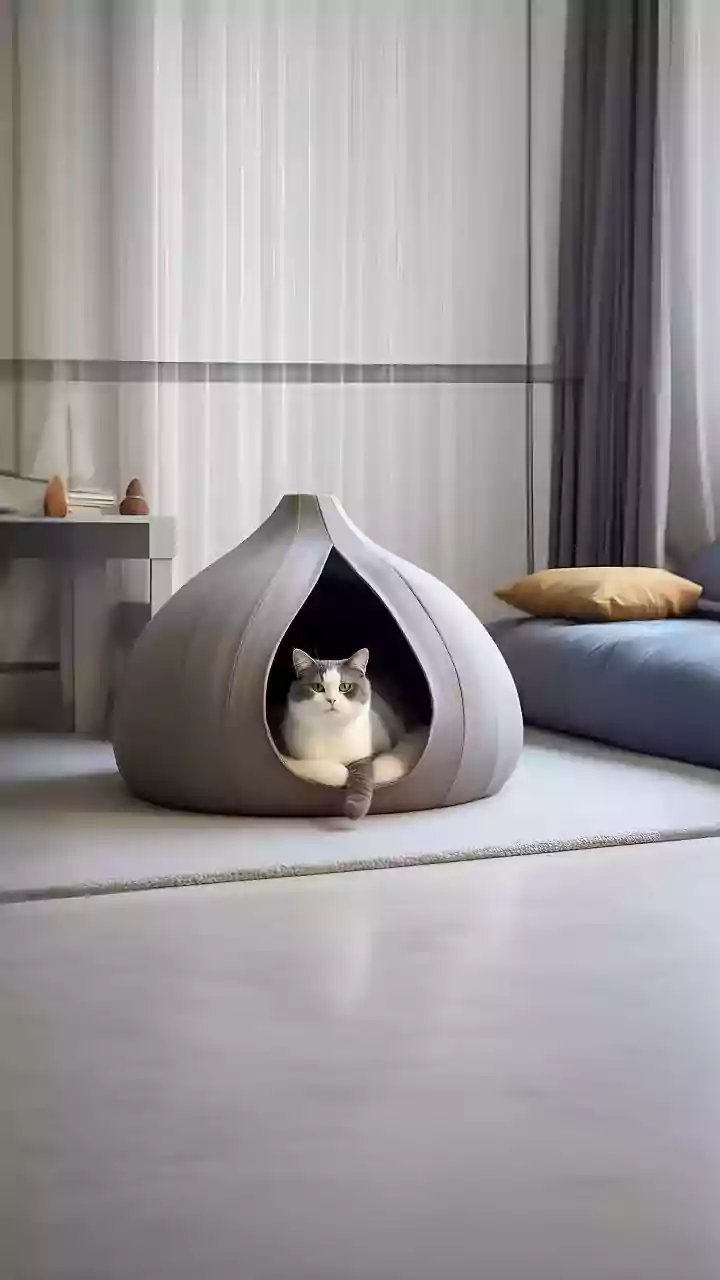





Beyond the Traditional Cat Tree
For years, the go-to solution for an active indoor cat has been the carpeted cat tree. While functional, these structures are often bulky, difficult to clean, and can feel out of place in a modern home. Enter the 'cat wall' or 'cat superhighway.' This
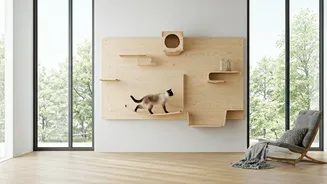
concept moves your cat’s world from the floor to the walls, creating a customisable, multi-level environment. It consists of a series of wall-mounted elements—shelves, steps, hammocks, scratching posts, and, most strikingly, floating wooden bridges. These modular pieces can be arranged in countless configurations, transforming an empty wall into an engaging and visually appealing feline activity centre.
Why Cats Crave Vertical Space
The appeal of cat walls goes far beyond aesthetics; it taps directly into a cat’s core instincts. In the wild, cats are both predator and prey, and height provides a significant advantage. From a high vantage point, a cat can survey its territory, watch for potential threats, and spot opportunities for play or a nap, all from a position of safety. Climbing is a natural behaviour that provides essential physical exercise and mental stimulation, helping to prevent boredom and stress-related issues. By offering vertical territory, you are effectively expanding your cat’s living space and providing an outlet for these innate needs, which is especially crucial for indoor-only cats in smaller homes.
Function Meets Minimalist Form
What sets this new generation of cat furniture apart is its emphasis on design. Instead of synthetic carpets and plastics, these systems heavily feature natural materials like solid pine, oak, and beech wood, often paired with durable sisal rope for scratching surfaces. The floating bridges, crafted from interconnected wooden slats, add a sense of adventure and architectural interest. This minimalist, Scandinavian-inspired aesthetic allows the furniture to blend into a room's decor rather than dominate it. The individual components can be treated with different stains or paints to perfectly match your existing style, turning a pet-friendly necessity into a deliberate piece of interior design.
Planning Your Cat's Superhighway
Creating an effective cat wall isn't just about mounting a few shelves. Thoughtful planning is key to ensuring it's both safe and enticing for your pet. Start by observing your cat's habits. Do they love to nap in the sun? Consider placing a hammock or a wide perch near a window. To encourage use, the layout should flow like a pathway, with clear entry and exit points. Ensure shelves are spaced appropriately for your cat’s age and agility—closer together for kittens or senior cats, and more challenging for athletic adults. A successful design allows a cat to navigate the entire course without having to descend to the floor, creating a true 'superhighway' that they can claim as their own.
What to Consider Before Installation
Before you commit to a full wall installation, there are a few practicalities to consider. First and foremost is wall integrity. These systems must be securely mounted into wall studs to support the weight of a jumping, playing cat. They are generally not suitable for weak plasterboard without proper anchors. Check the weight capacity of each component, especially for larger breeds like Maine Coons. Also, assess the materials. Solid wood is more durable and safer than cheaper particleboard, which can sag or break over time. Finally, think about maintenance. Natural wood is easy to wipe clean, and many systems feature removable fabric elements that can be washed, making them a more hygienic long-term option than traditional cat trees.