

The Age of the Over-Styled Shelf
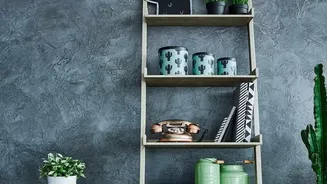
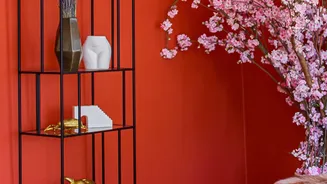
You know the look: bookshelves where spines are turned backward for a neutral palette, objects are grouped in dense vignettes, and every inch is filled with decor bought specifically for the display. This trend, fueled by the desire for an Instagram-worthy
moment, treated shelves less like personal storage and more like a stage. The goal was often a look of stylish, intentional clutter, sometimes called "cluttercore," where more was more. While visually striking, this approach often resulted in shelves that felt crowded, hard to maintain, and disconnected from the daily life of the people who lived with them. It raised the question: are shelves for showing or for using?
Why the Tide Is Turning
The shift away from over-styling is rooted in a collective desire for authenticity and calm. After years of curated perfection online, many are craving homes that feel more personal and less performative. The over-styled shelf, with its high-maintenance arrangements, can feel like another pressure point in a busy life. In its place, a new appreciation for functionalism, minimalism, and visual quiet has emerged. This isn't about stark, empty spaces, but about creating an environment that feels restful and real. The focus is moving from how a shelf looks in a photo to how it feels to live with every day.
Finding Balance: The Power of Negative Space
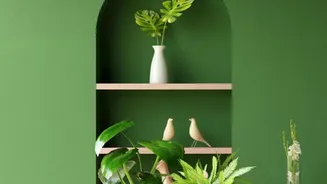
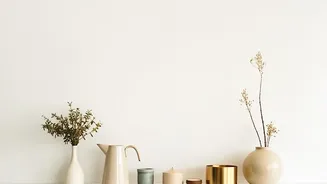
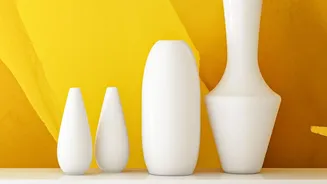
The single most important principle in the new approach is embracing negative space—the empty areas around your objects. This “breathing room” is what separates a curated display from a cluttered one. When objects aren't crowded, each one has more impact. Your eye has a place to rest, making the entire arrangement feel more peaceful and intentional. Start by taking everything off your shelves and only putting back your absolute favourite items. Resist the urge to fill every gap. This simple act of subtraction is often more powerful than any addition.
Function First, Style Second
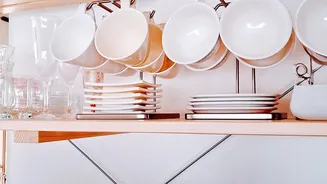
A practical shelf is a useful one. The new philosophy prioritizes function without sacrificing form. Let your shelves serve their primary purpose. If it's a bookshelf, organize it in a way that helps you find the books you want to read, perhaps by genre or topic, rather than by the colour of the spine. Cookbooks can live on kitchen shelves for easy access. Your most-used ceramic bowls don't need to be hidden; they can be part of the display. When items have a reason to be there beyond just looking good, the entire space gains a sense of effortless authenticity.
Create Visual Interest, Not Visual Noise
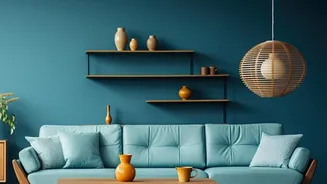
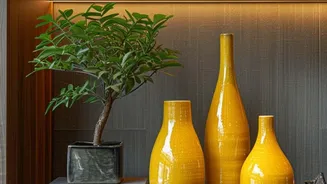
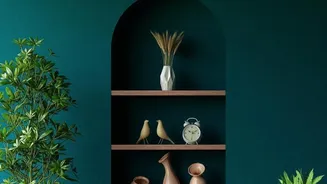
A balanced shelf is not a boring one. Visual interest comes from a thoughtful mix of textures, shapes, and heights. Instead of crowding many small trinkets together, aim for variety. Place a tall, sculptural vase next to a horizontal stack of books. Mix smooth ceramic with the rough texture of a woven basket or the warmth of a wooden bowl. Grouping items in odd numbers, like threes or fives, is a classic design trick that creates a sense of natural harmony. This approach builds a dynamic rhythm without overwhelming the eye.
Tell Your Personal Story
Ultimately, your shelves should be a reflection of you. Move away from generic decor and toward items that hold personal meaning. Display a framed photo from a favourite trip, a piece of art made by a friend, or a treasured object passed down through your family. These pieces tell a story and infuse your space with personality in a way that mass-produced objects cannot. The goal is to create a display that feels collected and loved over time, not styled in a single afternoon. This shift toward personal storytelling is what makes a home feel truly unique and welcoming.