




The Challenge of Urban Heat
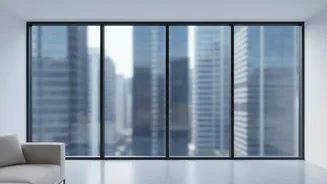
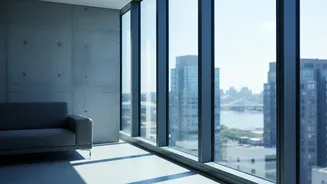
Living in a dense urban environment often means dealing with the 'urban heat island' effect, where concrete and asphalt absorb and radiate the sun's energy, making the city significantly warmer than surrounding rural areas. For apartment dwellers, large
windows that offer great views can also act like greenhouses, trapping solar heat and making indoor spaces uncomfortably hot. This leads to a heavy reliance on air conditioning, which provides relief but comes at a high environmental and financial cost. As temperatures rise, so does the demand for electricity, straining power grids and household budgets alike. Finding sustainable ways to keep our homes cool is no longer a luxury but a necessity for comfortable and affordable city living.
What Are Thermo-Responsive Films?
Thermo-responsive, or thermochromic, window films are an advanced material designed to react to temperature changes. Unlike standard solar films that have a fixed tint, these 'smart' films can change their properties automatically. When the temperature rises, the film becomes more opaque or reflective to block the sun's heat-carrying infrared rays. When it's cooler, the film becomes more transparent, allowing natural light and warmth to pass through. The key is that this transition happens passively, without any need for electricity, sensors, or manual controls. It’s like having an intelligent shade that knows exactly when to activate to keep your room comfortable.
How They 'Know' When to Work
The magic behind these films lies in their material composition. Many are made with materials like vanadium dioxide (VO2) or special liquid crystals embedded in a polymer sheet. These materials are engineered to undergo a structural change at a specific temperature. When the film heats up from direct sunlight, the molecules rearrange themselves to reflect infrared radiation while still allowing visible light to pass through. This means your room stays bright but doesn't overheat. As the sun sets or the day cools, the material reverts to its original state, becoming clear again. This passive, self-regulating mechanism is what makes the technology so promising for energy efficiency.
The Double Benefit: Cooler Rooms, Lower Bills
The primary advantage of these films is twofold: enhanced comfort and significant energy savings. By blocking a substantial portion of solar heat gain, these films can lower indoor temperatures, reducing the strain on your air conditioner. Studies have shown that various types of solar control films can cut cooling costs by as much as 30 percent and reduce heat coming through windows by over 40 percent. For someone living in a hot climate, this translates directly into lower monthly electricity bills. Beyond cost savings, the films also block up to 99% of harmful UV rays, which are a major cause of fading in furniture, flooring, and artwork, helping to protect your interiors.
Are They Ready for Your Home?
While advanced thermochromic films based on materials like VO2 are still largely in the research and development phase, the technology is rapidly advancing. However, the broader category of solar and heat control window films is widely available and highly effective. Many companies in India, such as 3M, Garware, and Saint-Gobain, offer high-performance products that use ceramic or metallic layers to reject infrared heat. These commercially available films provide many of the same benefits, including significant heat reduction, UV protection, and energy savings. Though not fully 'smart' in the thermochromic sense, they represent a practical and accessible step you can take today to make your apartment more comfortable and efficient.