





The Perfect Canvas: Nilgiri Tea
Often overshadowed by the robust power of Assam or the champagne-like delicacy of Darjeeling, Nilgiri tea is quietly having its moment in the sun. Grown in the high-altitude Blue Mountains of Southern India, these leaves produce a brew that is uniquely
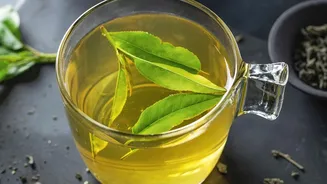
suited for flavour innovation. Unlike more assertive black teas, Nilgiri tea is exceptionally smooth, bright, and fragrant, with a naturally balanced profile and very low astringency. This means it doesn’t have the bitterness that can clash with other ingredients. Tea Board India describes it as a 'blender's dream' for its aromatic, floral notes and clean finish. This makes it the perfect base, a blank canvas ready to absorb and elevate new flavours without being overpowered.
From Orchard to Teacup
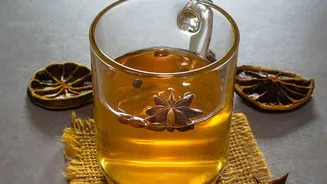
The magic of these new blends lies in the commitment to 'fresh.' Artisanal makers are moving away from artificial flavourings and instead looking to India’s rich bounty of fruits. The process starts with selecting the right partner for the Nilgiri leaf. The tea’s inherent floral and sometimes spicy notes pair beautifully with a wide range of fruits. Bright, zesty citrus like orange and key lime can accentuate the tea's briskness, while berries like strawberry and raspberry add a jammy sweetness. Some crafters even experiment with tropical notes of pineapple or the delicate fragrance of pear to create more complex profiles. The key is to use real fruit—either dehydrated slices or muddled fresh fruit—which releases its natural sugars and essential oils during the infusion process, creating a flavour that is authentic and layered.
The Art of the Blend
Creating a balanced fruit-flavoured tea is more art than science. It's a delicate dance of ratios and timing. For a hot brew, crafters will often mix loose-leaf Nilgiri tea with pieces of dried fruit, allowing them to steep together in hot water. This process lets the tea leaves unfurl while the fruit pieces rehydrate, releasing their essence into the brew. The challenge is to ensure the fruit's flavour complements, rather than masks, the tea's natural character. A skilled blender understands that the goal is harmony. They might spend countless hours experimenting to find the perfect ratio—enough fruit to make its presence known, but not so much that the nuanced, floral character of the Nilgiri is lost. It is a process that requires both a deep knowledge of ingredients and a willingness to experiment until the balance is just right.
A Modern Twist on a National Treasure
This trend represents an exciting evolution in India’s deep-rooted tea culture. While traditional preparations remain beloved, a new generation of tea drinkers is seeking novel experiences. Artisanal brands, often run by small teams with a passion for innovation, are meeting this demand. They are showcasing that Indian tea can be both traditional and contemporary. These fruit-infused Nilgiri blends are perfect for any time of day. They can be enjoyed as a hot, soothing cup or, because Nilgiri tea’s low astringency means it never clouds or turns bitter when cooled, as a refreshing iced tea. This movement is not just about creating a new product; it's about redefining the possibilities of a cherished national beverage and introducing its versatility to a new audience.