


The Foundation: Dicing and Chopping
The most common instructions in any Indian recipe are to chop or dice. While often used interchangeably, there's a subtle difference. A chop can be rough and irregular, perfect for dishes where vegetables will break down, like in a base for a curry or a rustic
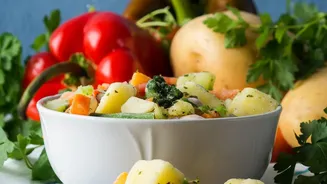
soup. Dicing, on the other hand, implies creating uniform, cube-like pieces. This uniformity is crucial for ensuring even cooking. When your potatoes, carrots, and beans are all diced to a similar size for a mixed vegetable sabzi, they cook at the same rate, preventing some from turning to mush while others remain hard. A medium dice is your go-to for most everyday sabzis and kurmas, ensuring each bite has a pleasant texture. A larger dice works well for heartier dishes like avial, where vegetables need to hold their shape. A fine dice, or brunoise, is reserved for when you want the vegetable's flavour to melt into the dish, such as finely dicing onions for a smooth gravy base.
The Fine Art: Julienne and Shredding
When you need crunch, texture, and visual appeal, julienning is your technique. This involves cutting vegetables into long, thin, matchstick-like strips. Carrots, bell peppers (capsicum), cabbage, and cucumbers are excellent candidates for julienning. These fine strips are perfect for hakka noodles, fried rice, and fresh salads, where they provide a delightful crunch without requiring a long cooking time. Think of the crisp, julienned potatoes in a classic 'jhurjhure alu bhaja'. Shredding is similar but produces even finer, more delicate strands, often done with a grater. Shredded cabbage and carrots are mainstays in coleslaw-style salads and fillings for spring rolls or parathas. This cut increases the surface area, allowing the vegetables to absorb dressings and spices quickly.
The Simple Slice: Rounds and Slices
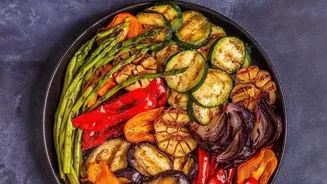
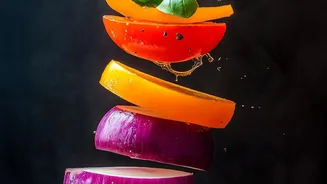
Slicing is a straightforward but versatile technique. Thinly sliced onions are essential for creating the perfect birista (fried onions) for biryani, where they caramelise evenly. Round cuts, or rondelles, are made by slicing cylindrical vegetables like carrots, cucumbers, bottle gourd (lauki), and radish. These are staples in salads, sambar, and pickles. The thickness of the slice matters. A thicker slice of brinjal holds up to pan-frying for 'begun bhaja', while a thinner slice is better for batter-frying into 'beguni'. How you slice affects how the vegetable cooks and releases its flavour; a lengthwise slice of zucchini on a grill will develop a different, more charred flavour than if it were cut into rounds.
The Flavour Boosters: Mincing and Grating
Mincing is the key to creating your flavour base. This technique involves chopping ingredients—most commonly garlic, ginger, and green chillies—into the smallest possible pieces. Mincing ruptures the cell walls of these aromatics, releasing the potent enzymes and oils that give a dish its foundational flavour and aroma. The finer the mince, the more intense the flavour that will infuse your oil and, subsequently, the entire dish. A good ginger-garlic paste is essentially a very fine mince. Grating achieves a similar effect and is particularly useful for vegetables like carrots for gajar ka halwa, or bottle gourd for a lauki kheer or kofta, creating a soft, uniform texture that blends seamlessly into the final dish.
Putting It All Together: A Weekly Prep Plan
This is where knowing your cuts translates into organised meal planning. Dedicate an hour or two over the weekend to prep your seasonal vegetables. Start by washing and drying everything thoroughly. Then, armed with your plan, begin cutting. Dice potatoes, carrots, and cauliflower for the week’s sabzis and store them in airtight containers. Julienne a batch of bell peppers and cabbage for quick stir-fries or noodle nights. Slice a few onions to have on hand for curry bases or biryanis. Mince a large batch of ginger and garlic to store as a paste. By batch-prepping your vegetables according to the cuts you'll need, you remove the biggest hurdle to weekday cooking. Instead of starting from scratch every night, you can simply pull out your pre-cut vegetables and have a meal ready in minutes.