




In the vibrant world of vegetables, carrots and spinach are both nutritional superstars. But when pitted against each other, which one truly comes out on top? This detailed breakdown compares these two kitchen staples to see how they stack up.
The Vitamin A Champion: Carrots
When it
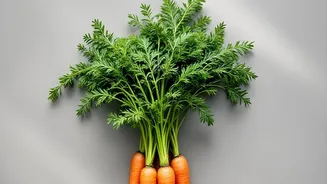
comes to vitamin A, carrots are in a league of their own. They are packed with beta-carotene, the antioxidant pigment that gives them their bright orange colour. Your body converts beta-carotene into vitamin A, a crucial nutrient for maintaining healthy vision, supporting the immune system, and promoting cell growth. A single 100-gram serving of raw carrots can provide a significant portion of your daily recommended intake of vitamin A. While spinach also contains vitamin A, carrots provide it in a much higher concentration, making them the undisputed winner in this category.
The Mineral Powerhouse: Spinach
Spinach flexes its nutritional muscles in the mineral department. This leafy green is an excellent source of several essential minerals. Compared to carrots, spinach contains significantly more iron, magnesium, potassium, and calcium. Iron is vital for transporting oxygen in the blood and preventing anaemia, while magnesium plays a role in over 300 biochemical reactions in the body. Spinach is also loaded with folate (a B vitamin) and vitamin C. Although spinach is famously rich in iron, it's worth noting that it also contains oxalic acid, a compound that can slightly hinder the absorption of iron and calcium.
For Your Eyes Only: A Battle of Carotenoids
The long-held belief that carrots are the ultimate food for eye health is only part of the story. Carrots' beta-carotene is indeed essential for preventing night blindness. However, spinach contains two other powerful carotenoids called lutein and zeaxanthin. These antioxidants are concentrated in the macula, the part of the retina responsible for sharp, central vision, and they help filter harmful blue light. Research suggests that lutein and zeaxanthin are critical for protecting against age-related macular degeneration and cataracts. While carrots contain small amounts of these compounds, spinach is one of the richest dietary sources, giving it a distinct advantage for long-term retinal health.
The Unsung Hero: Vitamin K
Vitamin K is essential for blood clotting and building strong bones, and in this matchup, spinach is the clear victor. A 100nd gram serving of raw spinach delivers a massive amount of vitamin K, often far exceeding the daily recommended intake. By comparison, carrots provide only a modest amount of this nutrient. In fact, leafy greens like spinach and kale are among the best dietary sources of vitamin K1 available.
Calories, Fibre, and Sugar
For those monitoring their calorie or sugar intake, the differences are noteworthy. Both vegetables are low in calories, but raw spinach is slightly lower, with about 23 calories per 100 grams compared to carrots' 41 calories. Carrots are naturally sweeter and contain more carbohydrates and sugar than spinach. Both are good sources of dietary fibre, which is important for digestive health. The lower sugar and carb content in spinach make it a particularly good choice for those on low-carb diets.
Raw vs. Cooked: Maximising Nutrients
How you prepare these vegetables matters. Cooking carrots helps break down their tough cell walls, which can actually increase the amount of beta carotene your body can absorb. Similarly, cooking spinach reduces its oxalic acid content, making its iron and calcium more available for absorption. While cooking may slightly reduce the levels of heat sensitive nutrients like vitamin C, steaming or light boiling is a great way to unlock the full potential of both vegetables key minerals and carotenoids.