



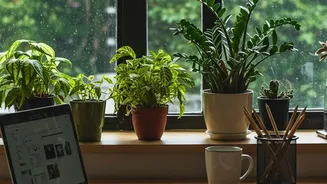
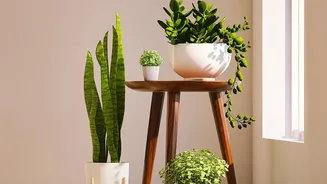
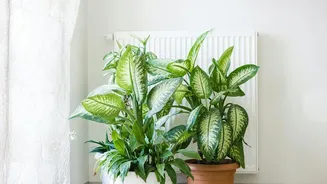
Have you ever noticed your favourite houseplant starting to lean, as if yearning for the window? This slow-motion bend towards the light is a natural plant instinct, but it can lead to a lopsided, unhealthy plant. Luckily, the fix is simple.
The Science of the Lean
That noticeable
tilt your plant develops is a phenomenon called phototropism. In essence, plants are expert survivalists, and their survival depends on light for photosynthesis. Special receptors in their stems and leaves detect the direction of the strongest light source. A plant hormone called auxin then accumulates on the shaded side of the stem, causing the cells there to elongate more quickly than the cells on the sunny side. This uneven growth is what causes the stem to physically bend and reach towards the light, ensuring its leaves are positioned for maximum energy absorption. While fascinating, in the world of indoor gardening, this can result in a plant that looks more like a question mark than a healthy specimen.
Why Rotation Is a Game-Changer
Consistently rotating your plants is one of the easiest and most effective ways to promote balanced, healthy growth. The primary benefit is aesthetic; rotation encourages a symmetrical, full-bodied shape instead of a sparse back and a crowded front. But the advantages go beyond looks. By ensuring all sides of the plant get their fair share of light, you promote even foliage development, preventing leaves on the dark side from yellowing or dropping off due to lack of light. This all-around sun exposure fuels more efficient photosynthesis, leading to a stronger, more robust plant overall. Furthermore, regular turning improves air circulation around the entire plant and gives you a chance to inspect all sides for early signs of pests or disease, which often hide in the less-visible areas.
The Quarter-Turn Rule
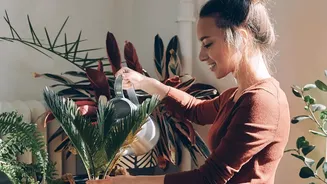
So, how often should you be spinning your leafy friends? While opinions vary slightly, a common and easy-to remember guideline is to give your plant a quarter-turn each time you water it. This small, regular adjustment is gentle and prevents the plant from getting shocked by a sudden, drastic change in its light environment. Making a sharp 180-degree turn can sometimes stress a plant, so the slow-and-steady quarter-turn method is often preferred. If your watering schedule is infrequent, aiming for a turn every one to two weeks is another great rule of thumb. The key is consistency. By making rotation a regular part of your care routine, you ensure every part of the plant gets its moment in the sun over the course of a month.
Are There Any Exceptions?
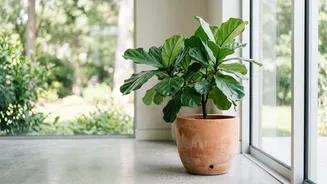
While most houseplants benefit from regular rotation, there are a few exceptions to consider. The most notable are flowering plants that have already started to form buds, such as orchids or Christmas cacti. Changing their orientation to the light source once buds have set can sometimes cause them to drop the buds before they have a chance to bloom. It's best to leave them in a consistent position during this critical phase. Additionally, some vining or trailing plants, like pothos, are often allowed to grow in a specific direction to create a desired cascading effect. Rotating them can disrupt this aesthetic training. However, for the vast majority of common foliage houseplants, from fiddleleaf figs to snake plants, rotation is highly beneficial for maintaining their shape and health.
Correcting a Lopsided Plant
What if you've neglected to rotate a plant and it has already developed a significant lean? Don't worry, it's often correctable. You can turn the plant 180 degrees so that the sparse, lessdeveloped side is now facing the primary light source. This will encourage the plant to send energy and new growth to that side to balance itself out. Be patient, as it can take several weeks or even months for the plant to straighten up and fill in. For a very dramatic lean, you might opt for a more gradual correction, using a series of quarterturns over several weeks to avoid stressing the plant. By resuming a regular rotation schedule after it has balanced out, you can prevent the lopsided look from returning.