





Why This Is a Bigger Story Now
With India now the world's third-largest domestic aviation market, the sheer volume of travellers means disruptions affect more people than ever. In response, passenger protection has moved from the fine print to the forefront. Recent directives from the Ministry
of Civil Aviation and the Directorate General of Civil Aviation (DGCA) show a clear trend towards stricter enforcement and greater transparency. Even the Supreme Court has taken notice, pushing for new rules under the Bharatiya Vayuyan Adhiniyam, 2024, to better protect passengers from arbitrary charges and ensure their rights are upheld. This increased scrutiny means knowing your rights is no longer just useful—it's essential.
Your Rights When a Flight Is Delayed
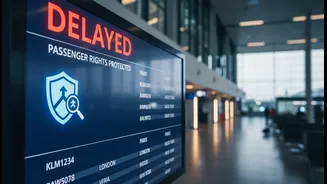
The clock starts ticking from the moment your flight is delayed. According to DGCA's Civil Aviation Requirements (CAR), your entitlements are based on the length of the delay. For delays of two hours or more, the airline is obligated to provide you with free meals and refreshments at the airport. If the delay stretches overnight, the airline must provide hotel accommodation and transport between the airport and the hotel. It is crucial to note that these 'right to care' obligations apply regardless of the reason for the delay, even if it's due to weather or air traffic control issues. While cash compensation isn't typically offered for delays, these provisions ensure you are looked after during the wait.
What Happens When a Flight Is Cancelled
If your flight is cancelled, the airline must offer you a choice: either an alternative flight or a full refund. You get to choose, and the airline cannot force one option on you. If the airline informs you of the cancellation less than 24 hours before departure, you are entitled to financial compensation in addition to the refund or rebooking. This compensation can range from ₹5,000 to ₹10,000, depending on the original flight's block time. The rules ensure that last-minute disruptions come with accountability, giving you more than just an apology.
Denied Boarding: The Highest Compensation
Airlines in India are permitted to overbook flights, which can lead to passengers being denied boarding even with a confirmed ticket. In this scenario, your rights are strongest. The airline must first ask for volunteers to give up their seats in exchange for benefits. If you are involuntarily denied boarding, you are entitled to significant compensation. This can be up to 400% of your one-way base fare plus fuel charges, with a cap of ₹20,000, depending on how long you have to wait for the alternative flight arranged by the airline. You are also still entitled to a full refund if you choose not to travel on the alternate flight offered.
The All-Important Exceptions
While passenger rights are extensive, they are not absolute. Airlines are not required to pay financial compensation for delays or cancellations caused by 'extraordinary circumstances' beyond their control. This includes events like political instability, natural disasters, security risks, and extreme weather. However, this waiver only applies to monetary compensation. The airline's duty of care remains, meaning they must still provide meals, refreshments, and hotel accommodation as required by the length of the delay.
How to Enforce Your Rights
Knowing your rights is the first step; enforcing them is the next. If you face a disruption, first approach the airline's staff at the airport or contact their customer service. Keep all your documents, including your boarding pass and any communication from the airline about the disruption. If the airline does not provide what you are entitled to, you can file a formal complaint. The government's AirSewa portal (airsewa.gov.in) is a dedicated platform for escalating such grievances directly to the regulator. For unresolved issues, you can also approach a consumer forum.