






Originating from the Mithila region of Bihar, Madhubani art is more than just a painting style; it's a vibrant visual language. Passed down through generations of women, its intricate patterns are a beautiful chronicle of mythology, nature, and life itself.
A Storied Origin
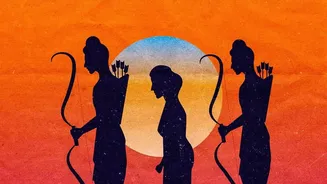
Madhubani, also known as Mithila painting, traces its roots back centuries, with legend connecting it to the epic Ramayana. It is said that King Janaka commissioned artists to capture the wedding of his daughter, Sita, to Lord Rama, giving birth to a tradition that would be preserved for millennia. For generations, it was a ritualistic art form practiced exclusively by the women of the Mithila region. They decorated the freshly plastered mud walls and floors of their homes during festivals, weddings, and other ceremonies. This domestic origin kept the art form deeply connected to the community's spiritual and social fabric, passed from mother to daughter as a living heritage.
The Language of Nature
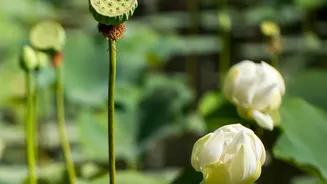
Nature is a central and revered theme in Madhubani art, with every element carrying deep symbolic meaning. The fish, often depicted in pairs, is a powerful symbol of fertility, good fortune, and prosperity. The peacock, with its elaborate feathers, represents love and beauty. The lotus flower signifies purity, divine beauty, and spiritual growth. Celestial bodies like the sun and moon are ever-present, symbolising the balance of cosmic forces and the eternal cycle of life. Even serpents find a place, representing protection and fertility. These motifs are not mere decoration; they form a rich vocabulary that communicates the community's deep connection to the natural world and its life-sustaining rhythms.
Chronicles of Daily Life
Beyond grand mythology, Madhubani paintings are intimate portraits of rural life. Artists capture the socio-cultural fabric of their community, illustrating village gatherings, harvests, festivals, and local customs. Weddings are a particularly prominent theme, reflecting the art's own origin story. One of the most significant styles, 'Kohbar', is specifically created for the nuptial chamber, filled with symbols of love, fertility, and prosperity like bamboo groves, lotuses, and birds to bless the newly married couple. These depictions serve as a vibrant historical record, preserving the details of community life for future generations and offering a window into the soul of Mithila.
A Woman's World
For centuries, Madhubani art was the exclusive domain of women, a creative outlet within the confines of a deeply patriarchal society. It was a medium for cultural preservation, spiritual expression, and storytelling passed down through generations of mothers and daughters. The 1960s marked a turning point. A severe drought prompted an initiative to encourage women to transfer their art from walls to paper, creating a new source of income. This transition not only saved the art form but also sparked a movement of economic empowerment. Today, women artists are the primary custodians and innovators of Madhubani, using their work to gain financial independence, challenge social norms, and bring this ancient tradition to a global stage.
From Walls to the World
What began as murals on mud walls is now a globally recognised art form, celebrated in galleries and homes worldwide. This evolution also brought distinct styles to the forefront. 'Bharni' (meaning 'to fill') is known for its bright, solid colours and mythological themes. 'Katchni' ('lines') uses intricate, delicate line work and hatching, often in monochrome. Other styles include 'Godna', inspired by tattoo patterns, and 'Tantrik', which focuses on religious and spiritual symbols. In 2007, Madhubani painting received the Geographical Indication (GI) tag, a crucial step in protecting its authenticity and the livelihoods of its artisans from mass-produced imitations.