
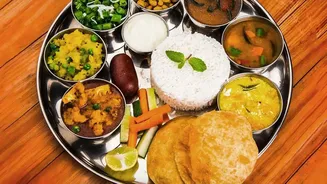
Upgrade Your Grains
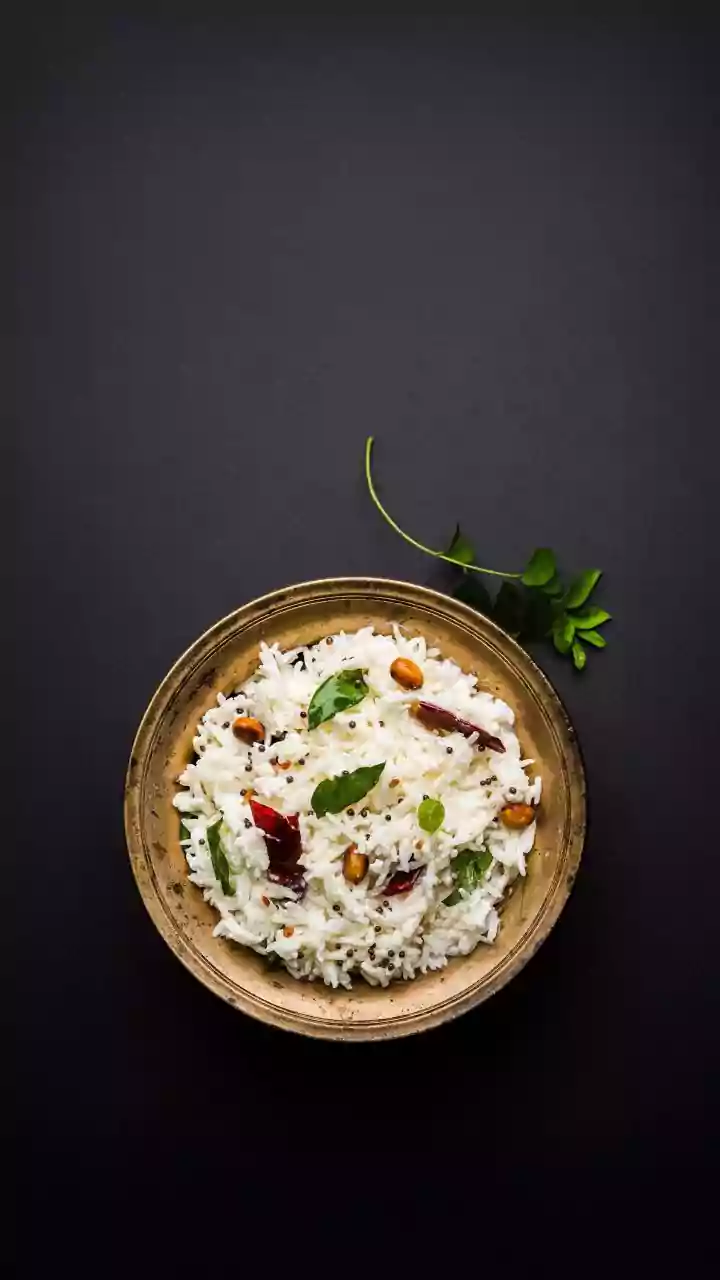
The simplest switch starts with your staple grain. Instead of polished white rice, consider using brown rice for your daily meals. Brown rice retains its outer bran layer, which is packed with fibre. If you're more adventurous, explore the world of millets.
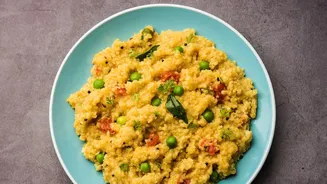
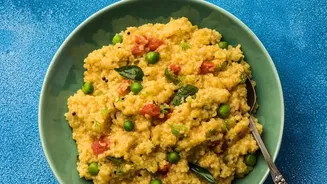
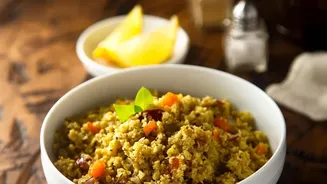
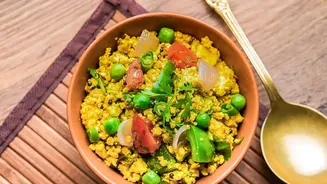
Jowar (sorghum), bajra (pearl millet), and ragi (finger millet) are excellent high-fibre alternatives. You can use them to make everything from khichdi and pulao to dosa and porridge, adding a nutty flavour and a significant nutrient boost to your plate.
Choose Whole Flours
The flour you use for rotis, parathas, and other flatbreads makes a big difference. Swap refined white flour (maida) for whole wheat flour (atta), which contains significantly more fibre. The bran in whole wheat aids digestion and promotes a feeling of fullness. For even more variety, try multigrain atta or flours made from millets like jowar or bajra. These can be used to make traditional bhakri or mixed with your regular atta to gradually increase your fibre intake without a drastic change in taste or texture.
Embrace Whole Pulses
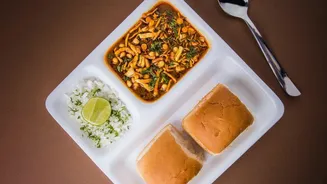
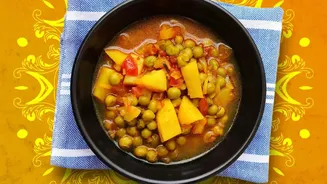
Dals and legumes are a cornerstone of Indian cuisine and a fantastic source of both protein and fibre. To maximise your fibre intake, opt for whole pulses over their split and skinned (dhuli) counterparts whenever possible. For example, use whole black gram (sabut urad) or whole moong dal instead of the split versions. The skins of these legumes are rich in insoluble fibre. Dishes like rajma, chole, and whole masoor dal are excellent ways to pack more fibre into your main meals.
Load Up on Vegetables
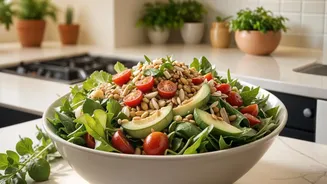
This might seem obvious, but consciously adding more vegetables to every meal is a powerful strategy. Aim to fill at least a third of your plate with a colourful sabzi or a fresh salad. Vegetables like okra (bhindi), leafy greens such as spinach and fenugreek, carrots, and beans are particularly high in fibre. Don't just relegate them to a side dish; incorporate grated vegetables like carrots or bottle gourd (lauki) into your raita, stuff them in parathas, or blend them into soups and curries.
Eat Your Fruits, Don't Drink Them
While a glass of fresh juice is refreshing, it lacks the beneficial fibre found in whole fruits. The process of juicing removes the pulp and skin, which is where most of the fibre resides. Swapping your morning glass of juice for a whole apple (with skin), a guava, or a banana makes for a much higher-fibre start to your day. Whole fruits not only aid digestion but also help in making you feel full for longer, preventing unnecessary snacking.
Make Friends with Seeds and Nuts
Nuts and seeds are small but mighty sources of fibre, protein, and healthy fats. A handful of roasted chickpeas (chana), peanuts, or almonds makes for a far more nutritious snack than packaged biscuits. You can also easily incorporate seeds into your diet by sprinkling a spoonful of flaxseeds, chia seeds, or pumpkin seeds over your yoghurt, porridge, salads, or smoothies. You can even grind flaxseeds and add them to your chapati dough for an invisible fibre boost.