



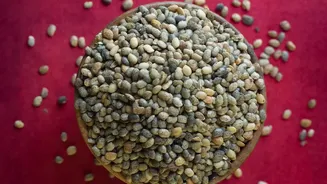
Chia Seeds: The Fibre Powerhouse
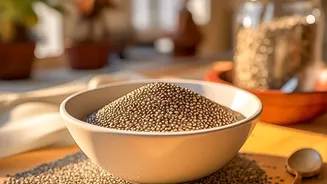
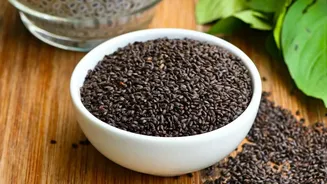
Tiny yet mighty, chia seeds are a fantastic addition to a diabetes-friendly diet. They are packed with soluble fibre, which forms a gel-like substance in your stomach. This process slows down digestion and the absorption of sugar into the bloodstream,
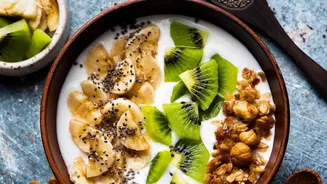
helping to prevent sharp spikes in glucose levels after a meal. A two-tablespoon serving provides about 10 grams of fibre and 5 grams of protein, promoting a feeling of fullness that can aid in weight management. Rich in magnesium and omega-3 fatty acids, chia seeds also support heart health, which is a crucial consideration in diabetes care. Simply sprinkle them over a bowl of curd, add them to oats or blend them into a smoothie for an easy nutritional boost.
Flax Seeds: For Better Blood Sugar Control
Commonly known as 'alsi' in India, flax seeds are celebrated for their health benefits. They are an excellent source of alpha-linolenic acid (ALA), a plant-based omega-3 fatty acid, and unique compounds called lignans, which have antioxidant properties. For diabetes management, the high fibre content is key. Flax seeds are considered a low-glycemic food, meaning they have a minimal impact on blood sugar levels. Studies have shown that regular consumption of flaxseed may help improve insulin sensitivity and reduce fasting blood sugar levels. To get the most benefit, it's best to consume them ground, as your body can't break down the whole seeds easily. Add a spoonful of ground flaxseed to your dosa or cheela batter, mix it into daliya, or stir it into a glass of water.
Pumpkin Seeds: A Magnesium-Rich Choice
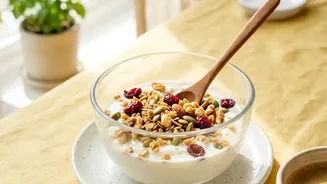
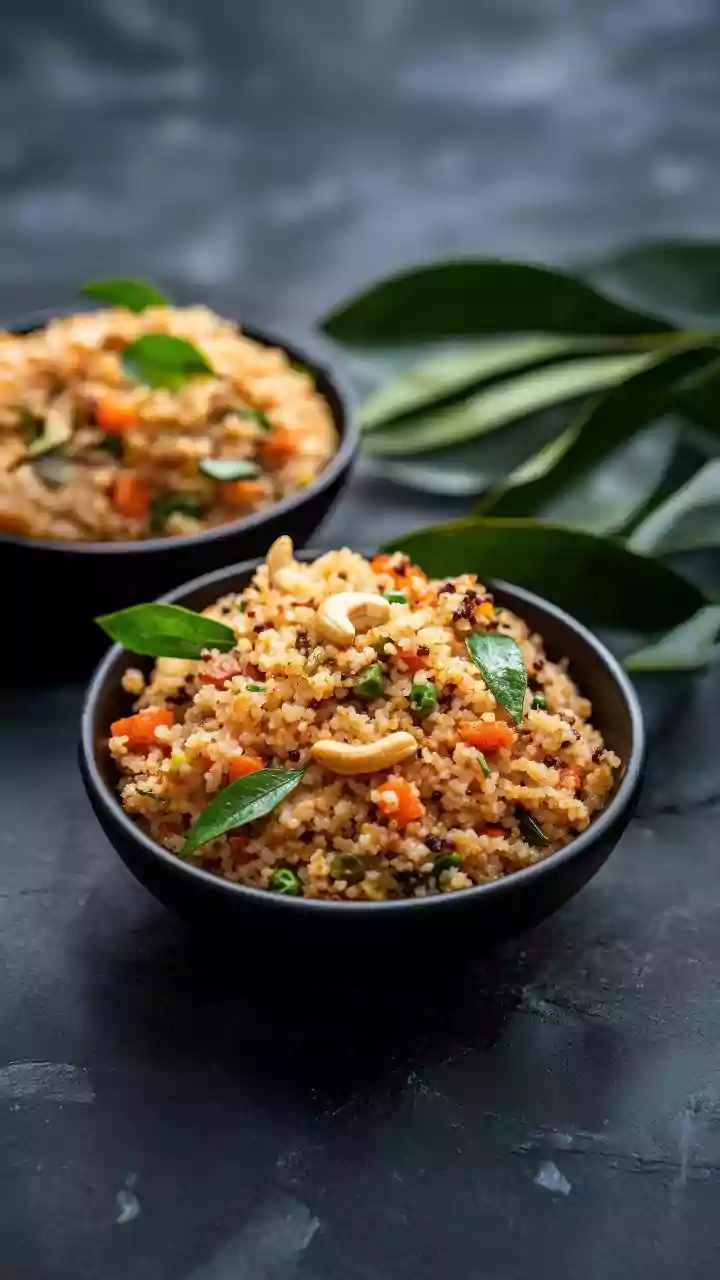
Often discarded, pumpkin seeds ('kaddu ke beej') are a nutritional treasure trove. They are one of the best natural sources of magnesium, a mineral that plays a vital role in insulin function and glucose metabolism. Many people with diabetes have low magnesium levels, making pumpkin seeds a valuable dietary addition. With a low glycemic index and a healthy dose of protein, fibre, and healthy fats, they help stabilize blood sugar and keep you feeling full. They also contain zinc, which supports immune health. Enjoy a small handful of roasted, unsalted pumpkin seeds as a snack, or sprinkle them on top of poha or upma for a satisfying crunch.
Sunflower Seeds: Packed with Healthy Fats and Vitamin E
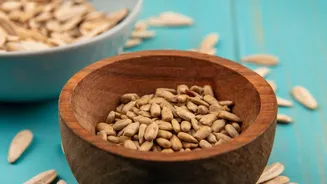
Sunflower seeds ('surajmukhi ke beej') offer a wealth of nutrients that can support a diabetes management plan. They are rich in healthy polyunsaturated fats, protein, and fibre, which work together to slow down stomach emptying. This allows for a more gradual release of sugar from carbohydrates, helping to prevent glucose spikes. Studies suggest that daily consumption of sunflower seeds may help reduce fasting blood sugar over time. Furthermore, they are an excellent source of Vitamin E, an antioxidant that helps reduce inflammation, a common concern with diabetes. Add a tablespoon of unsalted sunflower seeds to salads, trail mixes, or sprinkle them over your morning bowl of sprouts salad for added texture and nutrients.
Sesame Seeds: A Traditional Staple with Modern Benefits
Sesame seeds ('til') have been a staple in Indian kitchens for centuries and are now being recognised for their role in metabolic health. They contain unique compounds like sesamin and sesamolin, which have been studied for their potential to improve insulin sensitivity and glucose metabolism. Like other seeds on this list, sesame seeds are a good source of fibre, healthy fats, and magnesium, all of which contribute to better blood sugar control. Research and meta-analyses have shown that sesame consumption may help reduce fasting blood sugar and HbA1c levels. You can easily incorporate them by adding roasted sesame seeds to poriyal, using tahini (a paste made from sesame seeds) as a dip, or simply sprinkling them over a vegetable stir fry.