





Decoding the Simple Blue Logo
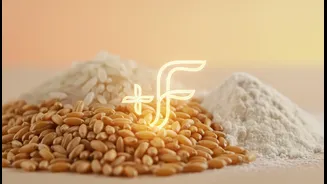
The '+F' symbol is the official logo from the Food Safety and Standards Authority of India (FSSAI) to identify fortified foods. When you see this logo, it means the product has been enriched with key vitamins and minerals according to government standards.
The 'F' stands for fortification, and the '+' signifies the addition of extra nutrients. This initiative makes it simple for consumers to make informed choices at a glance, ensuring the staple foods they buy contribute to their family's nutritional well-being. The logo also comes with the tagline 'Sampoorna Poshan Swasth Jeevan', translating to 'Complete Nutrition, Healthy Life'.
Why India Needs Fortified Foods
The push for fortification is a direct response to a widespread public health crisis known as 'hidden hunger' or micronutrient deficiency. A large portion of the Indian population consumes a diet that, while filling, lacks essential vitamins and minerals. Statistics reveal a startling picture: over half of all women and children suffer from anaemia, largely due to iron deficiency. Deficiencies in Vitamin D are also extremely common, affecting an estimated 61% to 76% of the population, despite abundant sunshine. Similarly, deficiencies in Vitamin B12, folic acid, and zinc are rampant, leading to a range of health issues from poor immune function and stunted growth in children to serious neurological problems and birth defects. This silent malnutrition crisis has long-term consequences for cognitive development, productivity, and the nation's overall health.
How Fortification Works
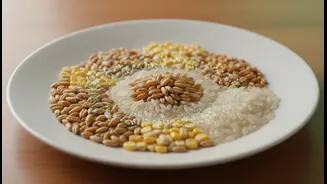
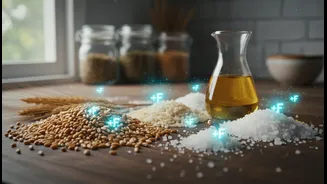
Food fortification is the process of deliberately adding essential micronutrients to staple foods that are consumed by a large segment of the population. The FSSAI has established clear regulations for this. Commonly fortified foods in India include milk and edible oil, which are enriched with Vitamins A and D. Wheat flour (atta) and rice are fortified with iron, folic acid, and Vitamin B12. Salt is fortified with iodine, and in some cases, it becomes 'double fortified' with the addition of iron. This strategy is considered one of the most cost-effective and sustainable ways to reach a vast population without requiring drastic changes to their dietary habits. By adding these nutrients back into processed staples, the program helps to bridge critical nutritional gaps in the daily diet.
The Impact and Path Forward
The potential public health impact of large-scale food fortification is immense. It promises improved immunity, better cognitive function in children, reduced rates of anaemia among women, and an overall healthier population. Experts estimate that every rupee spent on fortification can yield up to nine rupees in economic benefits through improved health and productivity. However, the road is not without challenges. Ensuring consistent quality control, raising public awareness to drive demand, and making fortified products accessible to the most remote and vulnerable communities are ongoing priorities. There are also logistical hurdles for smaller food processing units to adopt the necessary technology. Despite these challenges, the expansion of the +F initiative represents a quiet but powerful revolution in public health, aiming to build a more resilient and nutritionally secure future for all Indians.