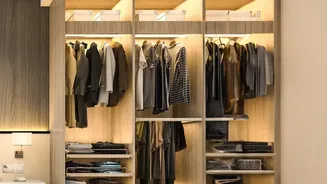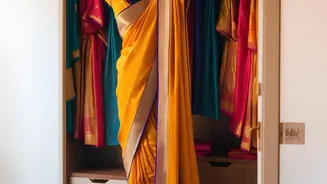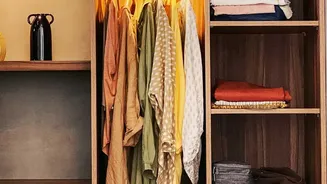





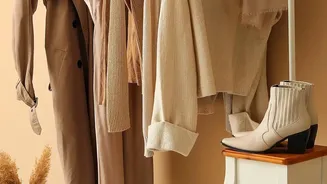
We’ve all been there: a wardrobe packed with clothes, yet the frustrating feeling of having 'nothing to wear'. The problem often isn’t a lack of options, but a lack of well-fitting ones. Here’s why fit is the secret to unlocking true style.
The Paradox of the Overstuffed Closet
Many closets
are filled with 'just in case' items, trendy pieces bought on impulse, and clothes we hope to one day fit into. Yet, we gravitate towards the same few reliable outfits. The reason is simple: ill-fitting clothes are uncomfortable and unflattering. A shirt that pulls at the bust, trousers that bunch at the ankle, or a blazer with drooping shoulders will nearly always be passed over. These items might be beautiful on the hanger, but if they don't align with our body, they create a sense of unease that undermines confidence. Even the most expensive label looks cheap when the fit is wrong, while an affordable garment tailored to perfection can look luxurious. This is why so many clothes end up as wardrobe fillers rather than functional pieces.
What 'Good Fit' Actually Means
Good fit goes far beyond the size on the tag. It's about proportion and how a garment drapes on your unique frame. Key markers include shoulder seams that sit directly on your shoulder bone, sleeves that end at the wrist, and trousers that fall cleanly without excessive bunching. For a top or blazer, you should be able to move your arms freely without the fabric pulling tightly across your back. For trousers or skirts, the waistband should be snug enough to stay put without digging in, and you should be able to sit down comfortably. A well-fitting garment skims your body's natural lines, creating a polished silhouette without being restrictive or excessively baggy.
The Foundation of a Versatile Wardrobe
Properly fitting clothes are the building blocks of a versatile wardrobe. A perfectly tailored white shirt can be tucked into a skirt for a professional look, worn loose over jeans for a casual weekend, or layered under a dress. An ill-fitting version, however, will only ever look 'off', limiting its potential. When each piece fits you perfectly, it becomes a multi-purpose tool. A well-cut blazer can be thrown over nearly anything, from formal trousers to a simple t-shirt, instantly elevating the entire outfit. This is because good fit creates a clean, intentional canvas, allowing the same item to adapt to different contexts. Poor fit, by contrast, creates visual noise—pulling, sagging, and awkward lines—that makes an item suitable for only one specific (and often unflattering) combination.
Creating More Looks with Fewer Pieces
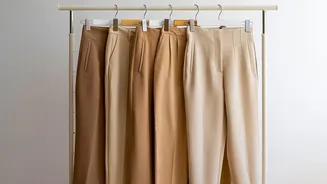
When you shift your focus from quantity to quality of fit, your wardrobe's potential multiplies. Suddenly, your neutral trousers can pair with every top you own because they create a flawless baseline. That one great jacket works for both casual and formal events because its structure is impeccable. This 'mix-and-match' potential is the core of minimalist and capsule wardrobes. With a foundation of 10–15 perfectly fitting essentials—like classic denim, tailored trousers, quality t–shirts, and a structured blazer—you can create dozens of outfits. The pieces work in harmony because their shared quality is a flattering silhouette. You spend less time trying to hide or compensate for a poor fit and more time creatively combining items that you know look and feel great.
How to Shop Smarter with Fit in Mind
Shopping for fit requires a slight change in mindset. First, ignore the size on the tag, as it varies wildly between brands, and trust the mirror instead. When trying something on, move around in it—sit, bend, and raise your arms to check for restriction or gaping. Pay close attention to the shoulders, as this area is the most difficult to alter. Finally, see a tailor as your secret weapon. A small investment to hem trousers or take in the waist of a blazer can transform a good piece into a perfect one, dramatically increasing its value and how often you'll wear it. Rather than buying five cheap, ill–fitting shirts, buying two and having them tailored is a much smarter long–term investment.