



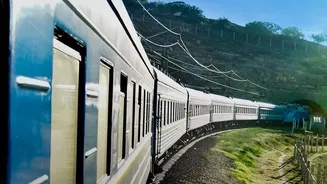
The Rise of the 'Slow Travel' Mindset
In 2026, the biggest shift in travel isn't about a new destination, but a new mentality. Young travellers are increasingly rejecting the frantic, checklist-driven holiday in favour of 'slow travel'. This is a move towards more immersive and meaningful
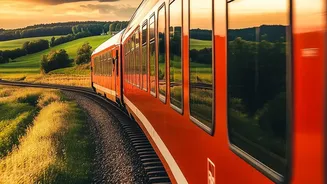
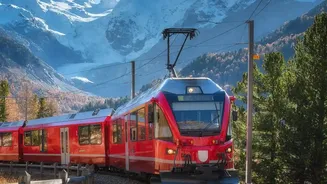
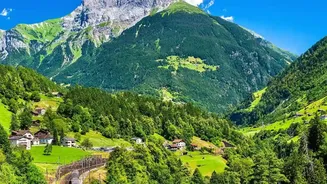
experiences, where the journey is as important as the destination. Instead of rushing from one tourist hotspot to another, there's a growing desire to connect deeply with a place, and nothing facilitates this better than a train. Unlike the sterile, detached experience of air travel, a train keeps you grounded. The world unfolds right outside your window, offering a seamless narrative of changing landscapes, towns, and cities that you just can't get from 35,000 feet. This philosophy aligns with a broader push for mindfulness and digital detoxing, where the gentle rhythm of the rails offers a welcome escape from a hyper-connected world.
A Window Seat to a Picture-Perfect World
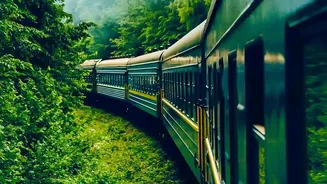
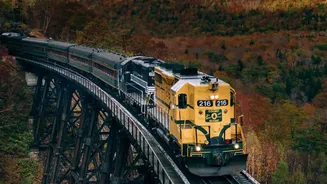
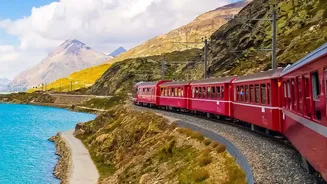
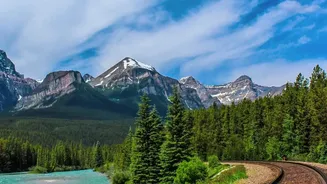
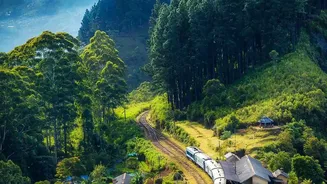
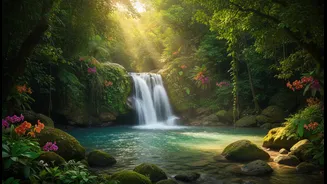
In the age of Instagram and visual storytelling, aesthetics matter. Scenic train journeys are, by their very nature, incredibly photogenic. They offer a constantly changing reel of beautiful, shareable content without any effort. It’s no surprise that Gen Z, in particular, is drawn to the romance and visual appeal of rail travel. In India, this trend has been supercharged by the introduction of Vistadome coaches on several key routes. These coaches, with their panoramic glass windows and transparent roofs, are a massive hit. Routes like the Mumbai-Goa line, which winds through the lush Western Ghats, and the Mumbai-Pune route offer breathtaking views of valleys, waterfalls, and forests, turning a simple commute into a cinematic experience. Occupancy rates for these coaches often exceed 100%, proving the immense demand for a more visually engaging way to travel.
All Aboard the Desi Express
While the trend is global, India has its own rich tradition of iconic railway journeys that are finding a new generation of fans. Beyond the modern Vistadome coaches, the country's mountain railways, three of which are UNESCO World Heritage Sites, offer a nostalgic and deeply scenic adventure. The Kalka-Shimla Railway, with its 100-plus tunnels, chugs through misty pine forests and valleys, feeling like a journey back in time. The Darjeeling Himalayan Railway, or 'Toy Train', moves slowly through vibrant tea gardens and mountain villages with views of Kanchenjunga. Similarly, the Nilgiri Mountain Railway to Ooty offers an enchanting ride through the verdant hills of Tamil Nadu. These journeys are not just about transport; they are cultural experiences, connecting travellers to the landscape and heritage of India in a unique and intimate way.
A Greener and More Social Way to Go
For many young people, travel decisions are increasingly influenced by environmental concerns. Train travel is generally a more sustainable option than flying, producing significantly fewer carbon emissions per passenger. This eco-conscious mindset makes rail an attractive choice for those looking to minimise their carbon footprint. Beyond sustainability, trains offer a social element often missing from other forms of transport. The layout of carriages, especially those with seats arranged around tables, encourages conversation and connection. It's a space where you can interact with fellow travellers, share stories, and make friends, a stark contrast to the isolated and often stressful environment of an airport and airplane. This sense of community and shared experience is a significant part of the appeal for a generation that values authenticity and connection.