






The Carry-On Bag Deception
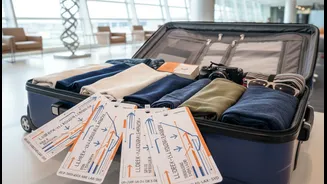
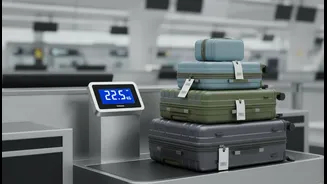
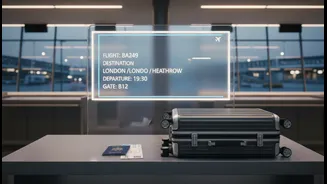
One of the most popular social media hacks involves stuffing a pillowcase or a duty-free bag with extra clothes to avoid carry-on fees. While it might seem clever, this directly contradicts the policies of many airline fares, especially Basic Economy.
These no-frills tickets are designed to compete with low-cost carriers and often permit only one small personal item that must fit under the seat in front of you. Attempting to bring a larger carry-on, whether in a standard suitcase or a pillowcase, can result in hefty fees at the gate, often more expensive than paying to check a bag in the first place. Airlines created these restrictive fares for price-conscious travellers, and the savings come from sacrificing flexibility and amenities like a free carry-on bag.
The Dangers of 'Hidden City' Ticketing
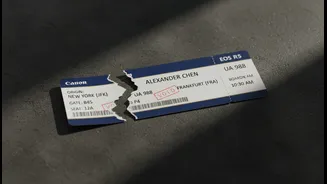
Another widely shared tip is “hidden city” ticketing, or “skiplagging.” This involves booking a flight with a layover in your desired city, where the final destination is somewhere else, because the connecting flight is cheaper than a direct one. For example, a flight from Mumbai to Kolkata with a layover in Delhi might be cheaper than a direct flight to Delhi. The hack is to simply get off in Delhi and not board the connecting flight. While this is not illegal, it is a violation of most airlines' contracts of carriage. Airlines are increasingly cracking down on this practice. If caught, consequences can include the cancellation of your entire itinerary (including your return flight), forfeiture of frequent flyer miles, and even being banned from the airline. It also makes checking luggage impossible, as your bags will be sent to the final ticketed destination.
The Misunderstood 24-Hour Cancellation Rule
A common piece of advice is to take advantage of the 24-hour rule to cancel any flight for a full refund. While this is a real regulation in the United States, it comes with critical caveats that social media posts often omit. The rule generally only applies to flights booked at least seven days before departure and purchased directly from the airline, not through third-party travel agencies. If you book a last-minute flight for a trip in three days, the rule likely doesn't apply. Furthermore, this is a US Department of Transportation regulation, so its application to international carriers or flights entirely outside the US can vary. Relying on it without checking the specific terms for your booking can be a costly mistake.
The Myth of the Free Upgrade
Influencers often suggest that dressing sharply or being exceptionally polite to gate agents can score you a free upgrade to business or first class. While being kind is always a good idea, the reality is that upgrades are almost entirely system-driven in the modern era. Airline upgrade lists are automatically prioritized based on a passenger's elite status, the fare class of their ticket, and whether they've used miles or paid for an upgrade. A gate agent typically has very little discretion to simply move someone to a premium cabin based on their outfit or a friendly chat. Your chances of a complimentary upgrade as a non-elite traveller on the cheapest economy ticket are practically zero, no matter how nicely you dress.
The Only Hack You Really Need
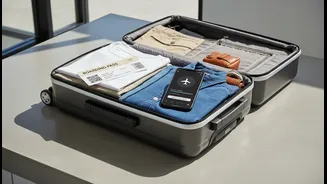
The most reliable travel hack is not a secret trick, but a simple habit: read the fine print. Before you book a flight, and certainly before you get to the airport, read the fare rules for your specific ticket. Airlines clearly lay out the baggage allowance, seat selection policies, and rules for changes and cancellations associated with your fare type. Social media can be a great source of travel inspiration, and some airlines even post legitimate flash sales on their official accounts. However, for binding rules, your airline's official website is the only source of truth. Do not post photos of your boarding pass or booking confirmations online, as this information can be used by criminals.