


Living Museums on Wheels
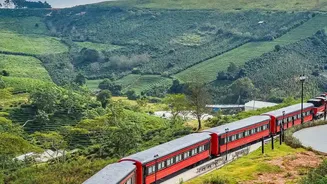
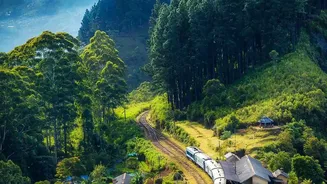
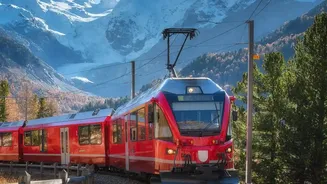
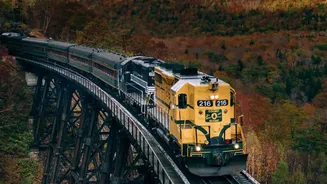
India's mountain railways are more than just a mode of transport; they are engineering marvels and rolling museums. The Darjeeling Himalayan Railway (DHR), the Nilgiri Mountain Railway (NMR), and the Kalka-Shimla Railway are collectively recognised as
UNESCO World Heritage Sites. Built during the British era, these narrow-gauge lines conquered formidable mountain terrain with ingenious solutions like steep gradients, sharp curves, and numerous tunnels and bridges. Today, they are primarily beloved tourist attractions, offering breathtaking views and a nostalgic travel experience. However, their reliance on tourism often leads to seasonal demand, with operations peaking during holiday seasons and slowing down at other times. This dependency poses a significant challenge to their financial sustainability, as the high costs of maintaining century-old infrastructure and vintage locomotives must be met year-round.
The Mixed-Service Model Explained
The idea of a mixed-service model is to integrate these heritage lines into the daily lives of local communities. Instead of running solely for tourists, these trains could also function as a regular mode of public transport for residents living along the routes. This isn't an entirely new concept. Recently, the Kalka-Shimla heritage railway resumed a "mixed train" service, which carries both passengers and freight, demonstrating a practical application of this dual-purpose approach. On routes like the Nilgiri Mountain Railway, which connects towns like Mettupalayam, Coonoor, and Ooty, some shorter-distance services are already used by locals for daily travel. A formal mixed-service model would expand on this, creating a structured timetable that accommodates both leisurely tourist journeys and more functional, point-to-point commuter travel. This transforms the railway from a holiday-only experience into a vital, year-round transportation link.
A Lifeline for Heritage and Communities
Adopting a mixed-use model offers a powerful two-pronged benefit. Financially, it creates a steady, year-round revenue stream from local commuters, which can supplement the seasonal income from tourism. This consistent cash flow is crucial for covering the high operational and maintenance costs, reducing the financial burden on Indian Railways. For local communities, it provides an affordable and reliable transport alternative, especially in hilly regions where road travel can be slow or disrupted by weather. More profoundly, it ensures these railways remain what they were originally intended to be: a living part of the landscape and community. By serving daily passengers, the lines avoid becoming static museum pieces, instead reinforcing their cultural relevance and securing public support for their continued preservation.
Navigating the Practical Hurdles
While the vision is compelling, implementation requires careful planning. A key challenge is balancing the needs of two different user groups. Tourists seek a slow, scenic experience, while local commuters prioritise speed and punctuality. Timetables would need to be cleverly designed, perhaps with dedicated commuter services in the mornings and evenings, and tourist-focused joyrides during the day. Pricing is another consideration; fares for daily local travel would need to be affordable, distinct from the premium prices often charged for tourist experiences. Furthermore, increased traffic could accelerate wear and tear on the ageing infrastructure. Any plan would need to incorporate robust maintenance schedules and potential upgrades without compromising the historical integrity of these UNESCO-listed lines. Successfully navigating these logistical challenges is essential to making the mixed-service model a sustainable reality.