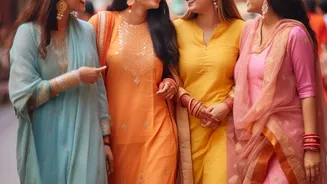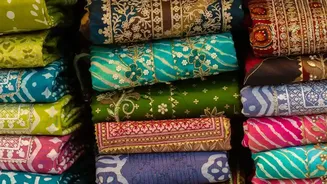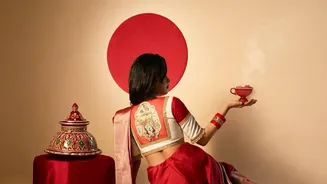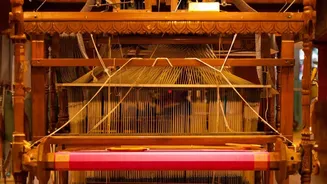

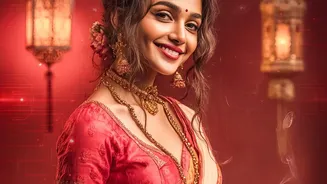

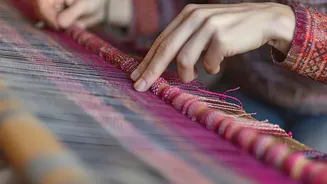
Handloom fabrics are stepping out of the festive-wear box and into the daily wardrobes of India's youth. This isn't about mothballing tradition, but reinventing it. Creative layering is the key to making these heritage textiles feel fresh and modern.
A New Mindset for Heritage Fabrics
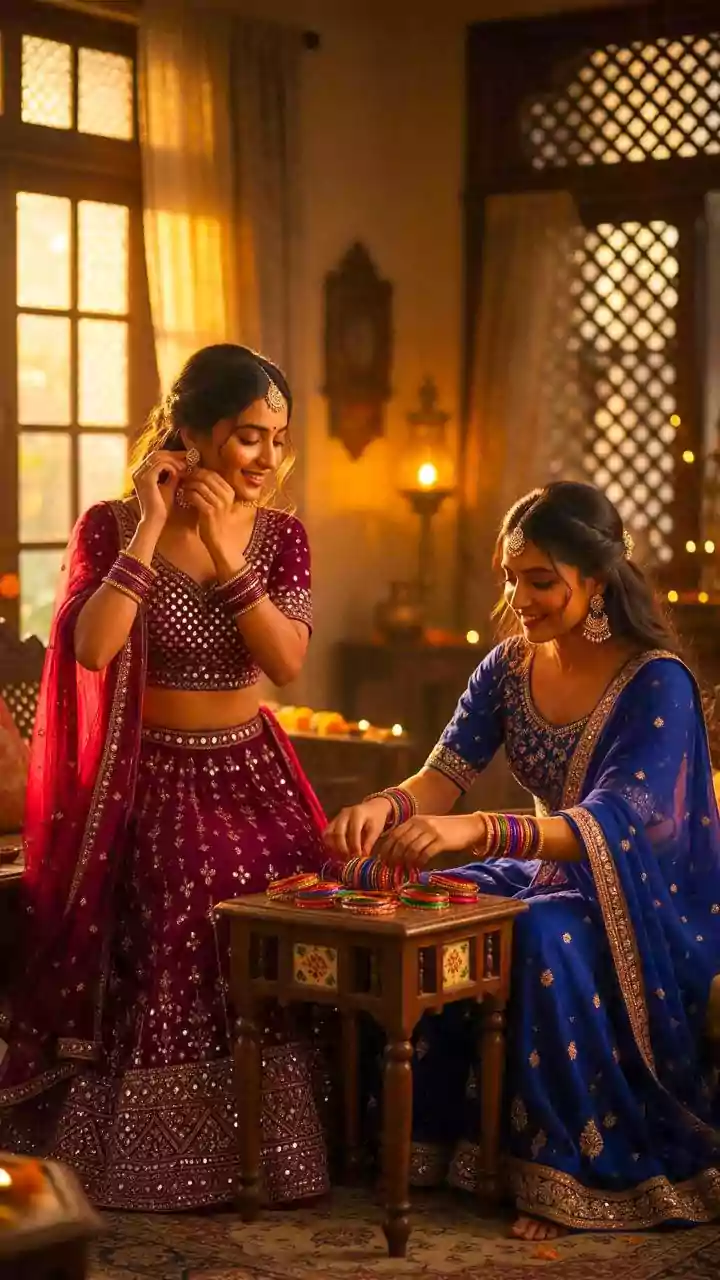
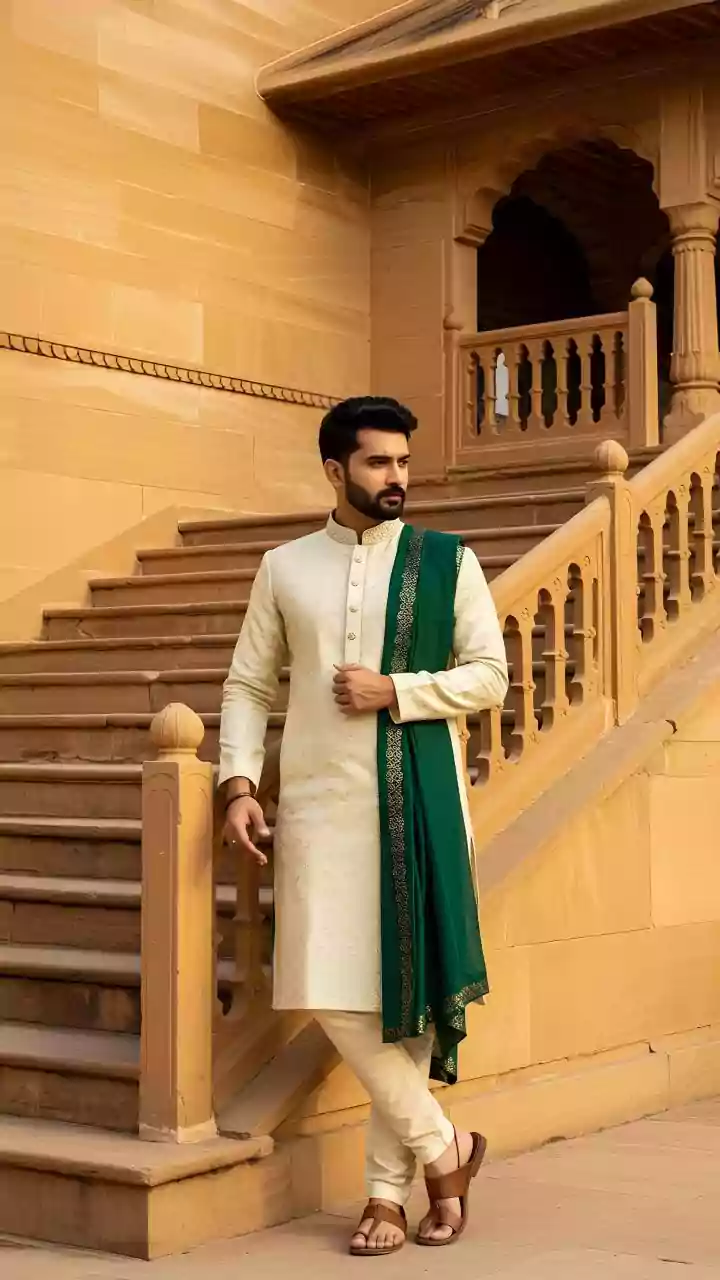
For a long time, beautiful handwoven textiles were stereotyped as occasion-wear, reserved for weddings or passed down from mothers and grandmothers. But today's young generation sees it differently. For them, choosing handloom is about more than just aesthetics; it's a conscious decision. This shift is driven by a desire for individuality, sustainability, and a connection to cultural roots. In a world of fast fashion, a handwoven piece offers uniqueness and a story. Fabrics like Khadi, Ikat, and Chanderi are being embraced not as relics, but as versatile materials for self-expression, supporting artisan communities and promoting a more mindful approach to fashion.
The Art of Strategic Layering
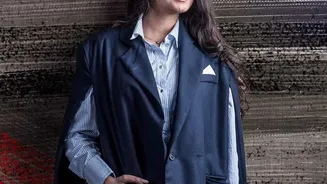
The secret to modernising handloom lies in how you layer it. The goal is to create a dialogue between the traditional and the contemporary. Think of a brightly coloured Bandhani or Ikat dupatta, but instead of pairing it with a kurta, throw it over a crisp white shirt and your favourite pair of jeans. A hand-block printed Ajrakh stole can instantly elevate a simple denim jacket. Designers are creating lightweight jackets and blazers from fabrics like Banarasi silk and Odisha Ikat, perfect for layering over a simple slip dress or even a t-shirt for a fusion look. This approach allows the intricate weave of the handloom piece to take centre stage while the rest of the outfit keeps it grounded in the now.
Beyond Dupattas: Handloom as a Statement Piece
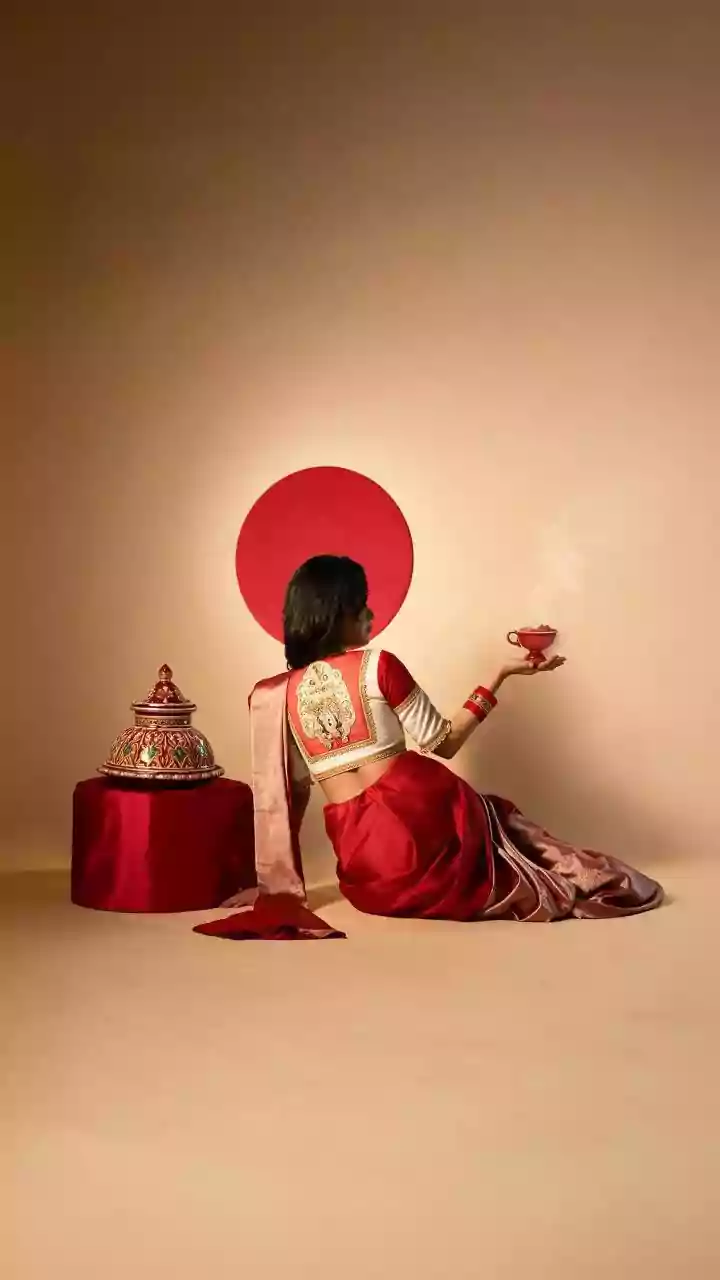
While dupattas and stoles are an easy starting point, creative layering goes much further. A handloom saree, for instance, can be completely transformed. Instead of a traditional drape, try pairing it with a structured blazer or belting it over tailored trousers for a powerful, modern silhouette that's perfect for the office or a formal event. Lightweight handloom jackets, from structured Nehru styles to flowing, kimono-inspired cuts, are another fantastic way to incorporate these textiles. Worn over a monochrome outfit, a jacket made from a rich textile like Maheshwari or Tussar silk adds texture and a pop of cultural elegance without feeling costumey.
Mixing Textures, Prints, and Styles
A key rule for contemporary styling is to confidently mix textures. The rustic, organic feel of a Khadi cotton piece pairs beautifully with the sleekness of leather or the ruggedness of denim. A sheer, delicate Chanderi kurta finds a modern edge when worn with straight-cut trousers and an organza dupatta. Don't be afraid to pair a printed handloom fabric with a solid-coloured modern separate. A Jamdani top with its floating motifs looks chic with plain trousers, letting the fabric's artistry shine. The contrast is what creates visual interest and keeps the look from feeling one-note. The final touch can be your footwear; pairing a handloom dress or even a saree with clean white sneakers is a popular way to signal a cool, contemporary attitude.
Accessorise for a Modern Finish
Accessories are crucial in bridging the gap between traditional and modern. The right choices can anchor a handloom piece firmly in a contemporary context. Instead of a full set of traditional jewellery, opt for a single statement piece, like bold silver earrings or a chunky cuff bracelet. A simple leather belt can be used to cinch the waist of a handloom saree or dress, giving it a modern structure. The idea is to let the fabric be the hero. Minimalist accessories and clean-lined handbags prevent the outfit from becoming visually cluttered and ensure the focus remains on the beautiful craftsmanship of the handwoven textile itself.