





Snowboarding's Sunny Cousin
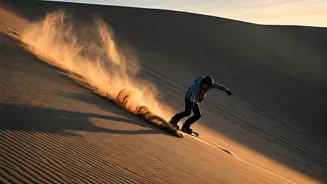
Sandboarding is an adventure sport that involves riding down or across the face of a sand dune while standing with your feet strapped to a board. It’s a captivating blend of surfing, skateboarding, and snowboarding. While the modern sport gained popularity
in the 1970s, evidence suggests that ancient Egyptians may have used wooden planks to slide down dunes for transport and recreation. Unlike its winter counterpart, sandboarding can be enjoyed year-round in desert areas and on coastal dunes. A major part of its growing appeal is its accessibility; you don’t need expensive lift tickets or crowded slopes, just a board, a dune, and a sense of adventure. The boards themselves are built differently from snowboards, with a harder base made of materials like Formica to better slide on sand, which is often waxed before a run to reduce friction.
Your Playground in the Thar Desert
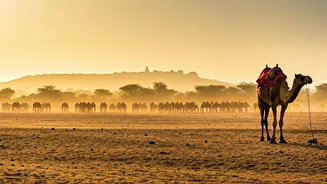
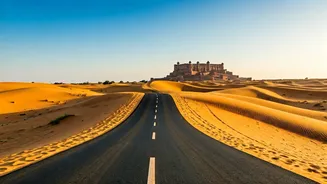
For those in India, the epicentre of sandboarding is the magnificent Thar Desert in Rajasthan. The vast, rolling sand dunes near cities like Jaisalmer, Jodhpur, and Bikaner provide the perfect terrain for this thrilling activity. The Sam Sand Dunes, near Jaisalmer, are one of the most popular destinations, offering slopes suitable for both absolute beginners and more experienced riders. For a quieter, more immersive experience, the less-crowded dunes at Khuri and Osian (near Jodhpur) are fantastic alternatives. Many desert safari and tour operators in the region now offer sandboarding as part of their packages, combining the adrenaline rush with cultural experiences like camel rides and traditional Rajasthani music at sunset. The best time to visit for this adventure is during the cooler winter months, from November to March.
Global Sandboarding Hotspots
Beyond India, sandboarding has a passionate following in deserts and on dunes across the globe. Peru is home to some of the world's tallest sand dunes, with the oasis village of Huacachina considered a premier sandboarding destination that has even hosted the Sandboarding World Cup. In Africa, the towering red dunes of the Namib Desert in Namibia offer breathtaking descents, with some reaching speeds of over 80 km/h. The Great Sand Sea in Egypt provides another epic playground, with dunes reaching heights of over 500 feet. Other world-renowned spots include the Great Sand Dunes National Park in Colorado, USA, which boasts the tallest dunes in North America, and the white gypsum dunes of White Sands National Park in New Mexico.
Tips for Your First Ride
Ready to give it a try? The great news is that sandboarding is surprisingly easy for beginners to pick up. Many first-timers start by sitting or even lying on their stomach on the board to get a feel for the speed and movement before attempting to stand. When you're ready to stand, the key is balance: keep your knees bent, back straight, and arms out to the side. Importantly, always look where you want to go, not at your feet. To control your speed, you can dig the heel edge of your board into the sand, and the simplest way to stop is often to just sit back down on the soft sand. Always start on a gentle slope before tackling steeper dunes, and remember the golden rule: you have to climb whatever you ride down.
Gearing Up and Staying Safe
The right gear makes the experience safer and more enjoyable. Besides the sandboard itself, a helmet is recommended, especially as you move to steeper dunes. Lightweight, comfortable clothing that covers your arms and legs will protect you from the sun and any tumbles in the sand. Closed-toe shoes are also a good idea. The desert sun can be intense, so sunscreen is non-negotiable, and be sure to stay hydrated by drinking plenty of water. It's always best to go with a guide or at least a friend, especially when exploring a new area. Tour operators will not only provide the right equipment but also select safe dunes suitable for your skill level.