

The Ancient Art of Lacto-Fermentation
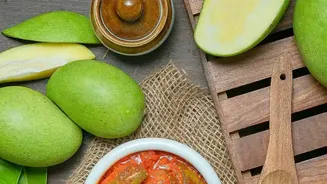
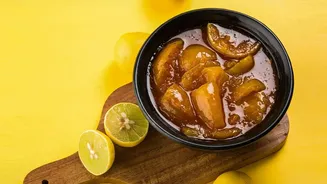
The magic behind the health benefits of authentic Indian pickles lies in a process called lacto-fermentation. Unlike modern, quick-pickling methods that rely on vinegar, traditional recipes use a simple brine of salt, water, and spices. Fruits or vegetables
are submerged in this brine and often left in the sun. This environment encourages the growth of beneficial bacteria, particularly of the Lactobacillus species. These microscopic allies get to work, feeding on the natural sugars in the vegetables and converting them into lactic acid. This acid acts as a natural preservative, warding off harmful bacteria that cause spoilage while creating the pickle's characteristic tangy flavour. It's a slow, patient process that our grandmothers perfected, transforming seasonal produce into a condiment that was both delicious and life-giving.
Not All Pickles Are Created Equal
It's crucial to understand that the jar of pickle you grab from the supermarket shelf is likely very different from the one made in a traditional kitchen. Most commercially produced pickles are not fermented. To ensure a long shelf life and consistent taste, they are typically preserved in vinegar and then pasteurised, a process that uses heat to kill all bacteria — both good and bad. While they are still a tasty condiment, these vinegar-based pickles lack the live probiotic cultures that are the hallmark of their fermented counterparts. An oil-based pickle that hasn't undergone a fermentation stage also won't offer the same probiotic benefits. So, if you're eating pickles specifically for gut wellness, the method of preparation is everything.
A Probiotic Powerhouse for Your Gut
The primary reason traditionally fermented pickles are so beneficial is their rich probiotic content. Your gut is home to trillions of microorganisms, collectively known as the gut microbiome, which play a vital role in everything from digestion to immunity. The live, beneficial bacteria in fermented pickles help to populate and diversify this internal ecosystem. Studies have shown that consuming fermented foods can increase microbiome diversity and lower markers of inflammation. These 'good' bacteria aid in breaking down food more efficiently, which can reduce common digestive issues like bloating and gas, and help maintain a healthy gut lining, which is your body's first line of defence against pathogens.
More Than Just Probiotics
The benefits of fermentation extend beyond just adding good bacteria to your gut. The process also makes the nutrients in the food more accessible to your body. This is known as increasing 'bioavailability'. Fermentation helps break down anti-nutrients like phytic acid, which can interfere with the absorption of minerals such as iron and zinc. Furthermore, the process can actually enhance the nutritional profile of the food, increasing levels of certain B vitamins and Vitamin K. The spices commonly used in Indian pickles, such as turmeric, fenugreek, and mustard seeds, also bring their own set of health advantages, including anti-inflammatory and antioxidant properties, which are preserved and enhanced through the fermentation process.