



More Than Just a Fright
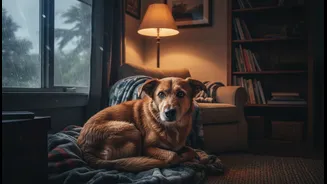
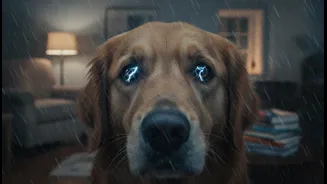
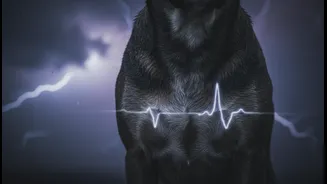
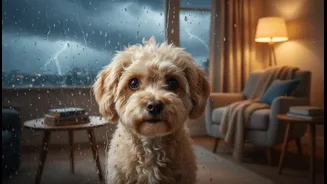
A dog trembling, panting, and hiding under the bed during a downpour isn’t just being dramatic; they are likely experiencing astraphobia, or thunderstorm phobia. This is an excessive and persistent fear of storms. The signs can range from mild restlessness
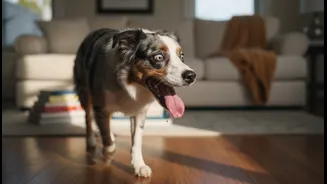
to severe panic. Common indicators include pacing, drooling, excessive barking or whining, and even destructive behaviour or attempts to escape. This isn't just a behavioural issue; it's a state of genuine distress. The fear response can have physical effects, including increased heart rate and elevated levels of the stress hormone cortisol. For a pet, a thunderstorm isn't just noise—it's a multi-sensory event involving flashes of light, changes in barometric pressure, static electricity, and low-frequency rumbles that they can feel long before we can.
The Apartment Amplification Effect
Apartment living, a common reality in many Indian cities, can inadvertently make storms feel more intense for a pet. The enclosed, often concrete, structure of an apartment building can amplify sounds, making thunder seem louder and more jarring. With less space to move, a dog may feel more trapped and unable to escape the perceived threat. Furthermore, pets in apartments lack access to a garden or yard where they might otherwise find a place to self-soothe or hide. This confined environment can heighten their sense of vulnerability. In multi-storey buildings, vibrations from thunder can travel through the structure, adding another layer of sensory input that a pet finds distressing. The lack of a quiet, sound-insulated space like a basement means the storm is an unavoidable presence.
The Peril of Being Alone
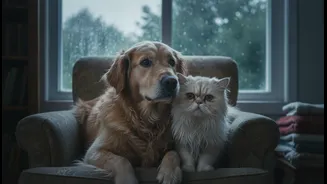
For a social animal like a dog, isolation is a significant stressor. When a storm rolls in while they are home alone, this stress is compounded. Pets with existing separation anxiety are often more susceptible to developing storm phobias. Without the reassuring presence of their human family, a dog's fear can quickly escalate. They look to their owners for cues on how to react to unfamiliar situations; a calm owner can communicate safety. When left alone, they are left to face the terrifying sounds and sensations by themselves, which can solidify the storm as a traumatic event. This negative experience, repeated over time, reinforces the phobia, making it worse with each subsequent storm season. The feeling of being abandoned during a frightening event can turn mild nervousness into a full-blown panic.
Creating a Safe Haven
The most effective way to help your pet is to be proactive. Create a designated 'safe space' in your apartment that your pet can retreat to. This could be a closet, a bathroom, or a crate covered with a thick blanket to muffle sound and block light. Fill this space with comfortable bedding and favourite toys to build a positive association. It’s crucial that the pet can access this area freely, as being confined during a panic can cause injury. You can also work on desensitisation during calm weather by playing recordings of storm sounds at a very low volume while engaging your pet in a fun activity, like playing or getting treats. Over several weeks, you can gradually increase the volume, helping your pet associate the sounds with positive experiences.
Managing Fear in the Moment
When a storm hits, your calm demeanour is your pet’s greatest asset. Try to mask the storm's intensity by closing curtains to block lightning and playing calming music, white noise, or even turning on the TV. Distract your pet with an engaging indoor game or a special puzzle toy filled with treats. Gentle, consistent pressure can also have a calming effect; products like the ThunderShirt are designed for this purpose, mimicking the feeling of being held or swaddled. It is a myth that comforting a scared dog reinforces the fear. Fear is an emotional response, not a learned behaviour, so offering gentle petting and a soothing voice if your pet seeks comfort is beneficial. Never punish a pet for being afraid, as this will only increase their anxiety.