





The Unseen Ingredient in Salt and Sugar
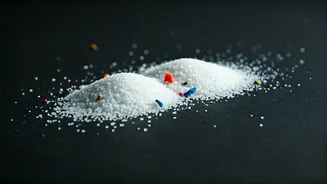
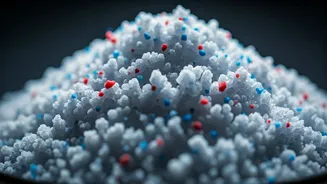
A recent eye-opening study by the environmental research organization Toxics Link has sent ripples of concern across the country. Researchers tested ten different varieties of common salt and five types of sugar, purchased from both local markets and online.
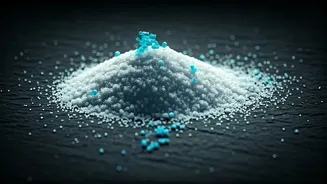
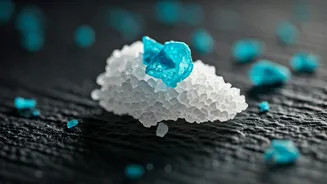
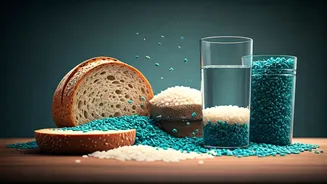
The results were startling: every single sample, regardless of brand or type, contained microplastics. The study found various forms of these plastics, including fibres, films, and fragments. Packaged iodised salt was found to have the highest concentration of microplastics, while organic rock salt had the lowest. Similarly, for sugar, non-organic varieties contained higher amounts of plastic particles than their organic counterparts. This suggests that these tiny pollutants have infiltrated our food supply chain at a very fundamental level.
What Exactly Are Microplastics?
Microplastics are tiny plastic particles, typically defined as being smaller than five millimetres. They aren't just one material; they can be fragments of polyethylene (from plastic bags), PET (from bottles), or fibres from synthetic clothing. These particles originate from two main sources. Primary microplastics are manufactured to be small, like the microbeads once found in cosmetics. Secondary microplastics, which are far more common, are the result of larger plastic items—like bottles, bags, and fishing nets—breaking down over time due to sun, wind, and water exposure. Because they are so small and durable, they easily spread throughout the environment, contaminating water, soil, and air.
From the Ocean to Your Plate
How do these particles end up in our food? The pathways are numerous. For sea salt, the primary source is polluted seawater. As oceans fill with plastic waste, these tiny fragments become mixed in the water that is evaporated to produce salt. Studies by institutions like IIT-Bombay have confirmed this contamination route for years. Other food items like fish and shellfish ingest plastics directly from their environment, meaning the contamination travels up the food chain to us. But it's not just seafood. Microplastics can also come from food packaging, where particles can leach into the food, especially when heated. Even plastic cutting boards can shed particles into your meal during preparation. The use of plastic in every stage of food production, processing, and packaging creates multiple opportunities for contamination.
The Looming Health Question
The discovery of microplastics in our food naturally leads to one big question: are they harmful? The scientific community is actively researching this, and while there are no definitive long-term conclusions yet, the initial findings are concerning. Studies have shown that these particles can accumulate in human organs, and have been found in blood, lungs, and even placentas. Laboratory research suggests that microplastics may cause inflammation, trigger immune responses, and disrupt the delicate balance of our gut microbiome. They can also act like tiny Trojan horses, carrying harmful chemical additives or absorbing toxins from the environment and releasing them into our bodies. While a direct link to specific diseases in humans is still being established, the potential for chronic health issues is a serious concern for scientists.
What Can You Do to Reduce Exposure?
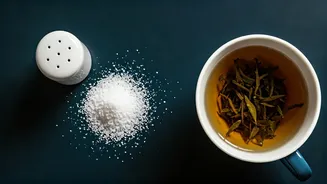
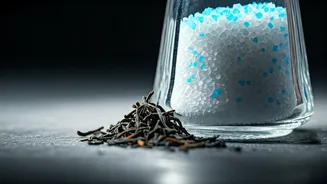
While completely avoiding microplastics is likely impossible in today's world, you can take practical steps to minimise your exposure. Start in the kitchen: avoid microwaving food in plastic containers and store leftovers in glass or stainless steel instead. When possible, choose fresh, unpackaged foods over heavily processed options. Consider switching from plastic tea bags to loose-leaf tea, as some plastic bags can release billions of particles when steeped in hot water. Using a wooden or bamboo cutting board can also help reduce the shedding of plastic particles during food prep. Drinking filtered tap water from a reusable glass or metal bottle is another effective way to cut down on ingestion from bottled water, which studies have found to be a significant source.