


From Passive Viewing to Active Experience
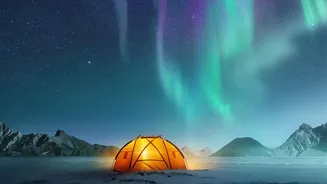
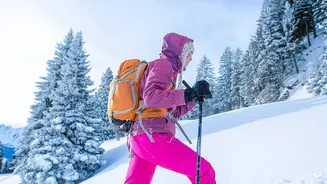
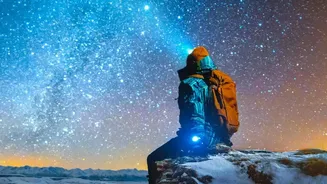
A winter campsite offers stunning views, but the real connection to the environment happens when you actively engage with it. Simply sitting by a tent is relaxing, but planning a day of snowshoeing or a short trek to a frozen lake pushes you to interact
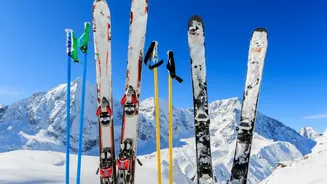
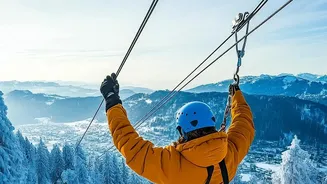
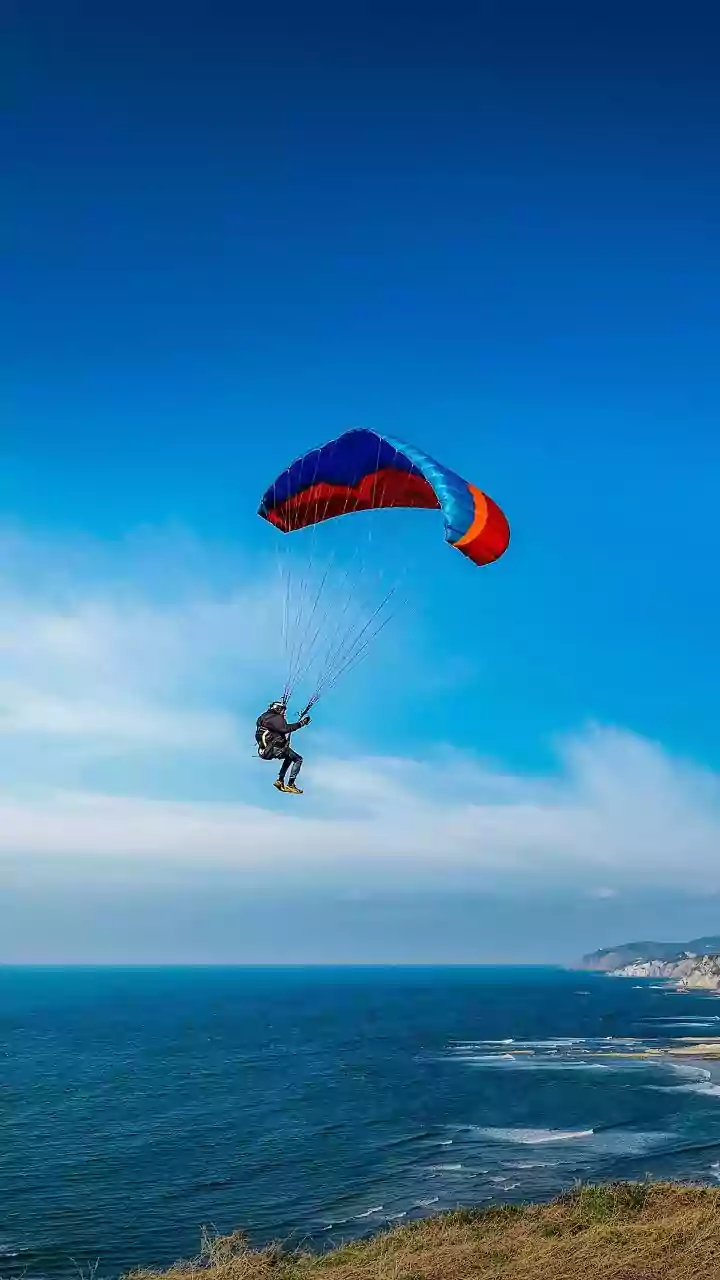
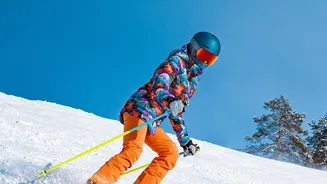
with the landscape. Activities like trekking, skiing, or even wildlife tracking turn the mountains from a beautiful backdrop into a dynamic playground. This shift from observer to participant is the first step in elevating your camping trip. Instead of just seeing the snow, you learn to walk on it, read its patterns, and appreciate its texture. It makes the entire experience more immersive and memorable.
Building Confidence and Resilience
Outdoor challenges are powerful tools for personal growth. When you plan and execute an activity like a high-altitude trek in Uttarakhand or navigating a snowy trail in Himachal Pradesh, you are doing more than just hiking. You are problem-solving, testing your physical limits, and building mental toughness. Successfully navigating a challenging trail or learning a new skill like setting up a tent in the snow provides a profound sense of accomplishment. This boosts self-confidence and resilience, skills that are valuable long after the campfire has gone out. Overcoming the minor adversities of a winter adventure—the biting cold, the challenging terrain—fosters a 'can-do' attitude.
Strengthening Bonds Through Teamwork
Adventure activities are often a shared experience, making them a fantastic way to strengthen bonds with friends and family. Whether it's navigating a route together, helping each other on a difficult patch of a trek, or collaborating to build a campfire in the cold, these shared challenges foster teamwork and camaraderie. Simple tasks become moments of connection. The reliance on one another for safety and encouragement creates a unique fellowship that is hard to replicate in daily life. Telling stories and sharing a meal after a day of physically demanding activities deepens these connections, turning a simple trip into a collective achievement.
A Deeper Connection with Nature
Planned activities force you to pay closer attention to your surroundings. When you're bird-watching, you learn to listen for calls and notice subtle movements in the trees. When you're learning to identify animal tracks in the snow, the forest floor becomes a storybook. This focused engagement creates a much deeper and more meaningful connection to the natural world. It moves beyond appreciating a panoramic view to understanding the ecosystem you are in. This heightened awareness and appreciation for the environment is one of the most lasting rewards of an activity-based camping trip.
Practical Planning for Peak Adventure
The key to a successful adventure is preparation. Start by researching your destination, whether it's the ski slopes of Auli or the trekking routes near Manali. Choose activities appropriate for your group's fitness level. Winter activities demand specific gear; ensure you have proper layered clothing, waterproof boots, and safety equipment. Always check the weather forecast before and during your trip. Plan your days, but leave room for flexibility. For instance, have a primary plan for a long trek but also a backup plan for a shorter walk if the weather turns. This foresight doesn't restrict your adventure; it enables it by ensuring you are safe, comfortable, and ready for the challenges ahead.