


That unmistakable, fragrant aroma of lemongrass instantly brings to mind vibrant Southeast Asian flavours. But beyond a simple stir-fry, this versatile herb can transform your home cooking in a surprisingly easy way: through a citrusy infusion.
The Allure of Lemongrass
Lemongrass
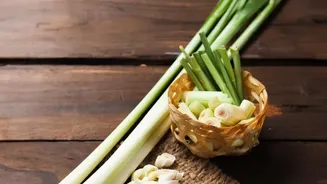
is a tropical grass that is a cornerstone of Thai, Vietnamese, and Indonesian cooking. Its flavour is complex—a mix of lemon, mint, and a hint of ginger, but without the sharp acidity of a lemon. This unique profile allows it to brighten savoury dishes and add an exotic twist to sweet ones. While using the chopped stalk is common, creating a liquid infusion is a fantastic technique that captures the herb’s aromatic oils, allowing you to easily incorporate its essence into a wide variety of recipes. This method saves you from having to pick out tough, inedible stalks from a finished curry or soup.
Crafting the Perfect Lemongrass Infusion
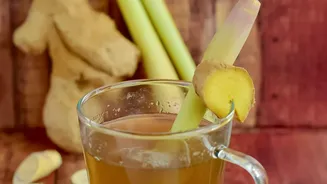
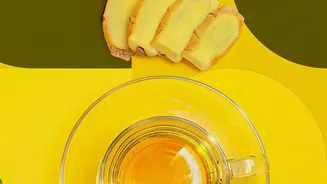
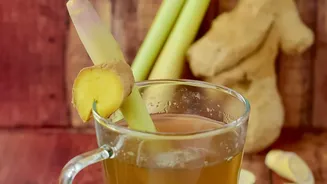
Making a potent lemongrass infusion is simple. Start with 3-4 fresh lemongrass stalks. Trim the root ends and any dry, leafy tops. Peel away the tough, woody outer layers to get to the more tender, pale core. This is where most of the flavour resides. Using the back of a heavy knife, bruise or crush the stalks to help release their aromatic oils. Then, roughly chop the stalks. For a basic infusion, bring four cups of water to a simmer in a saucepan. Add the chopped lemongrass, reduce the heat, and let it gently simmer for about 10-15 minutes. For a stronger flavour, you can let it steep off the heat for another 30 minutes. Finally, strain the liquid through a fine-mesh sieve, discarding the solids. This fragrant, golden liquid is your new secret ingredient.
Zesty and Refreshing Beverages
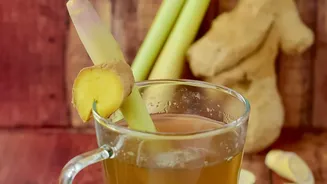
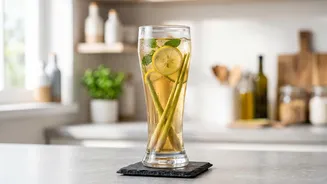
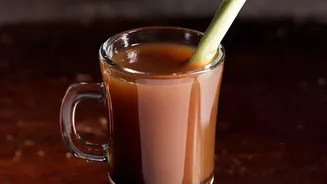
One of the most immediate uses for your lemongrass infusion is in drinks. For a simple, calming tea, just serve the infusion hot, perhaps with a touch of honey or jaggery. For a refreshing summer cooler, let it chill and serve over ice with a squeeze of lime. This infusion also forms a fantastic base for more creative mocktails and cocktails. Try mixing the chilled infusion with mint leaves, lime juice, and a splash of soda for a non-alcoholic mojito. Or, use it to create a lemongrass simple syrup by simmering equal parts infusion and sugar until the sugar dissolves. This syrup can be used to sweeten iced teas, lemonades, or even gin-based cocktails for a sophisticated twist.
Flavourful Soups and Marinades
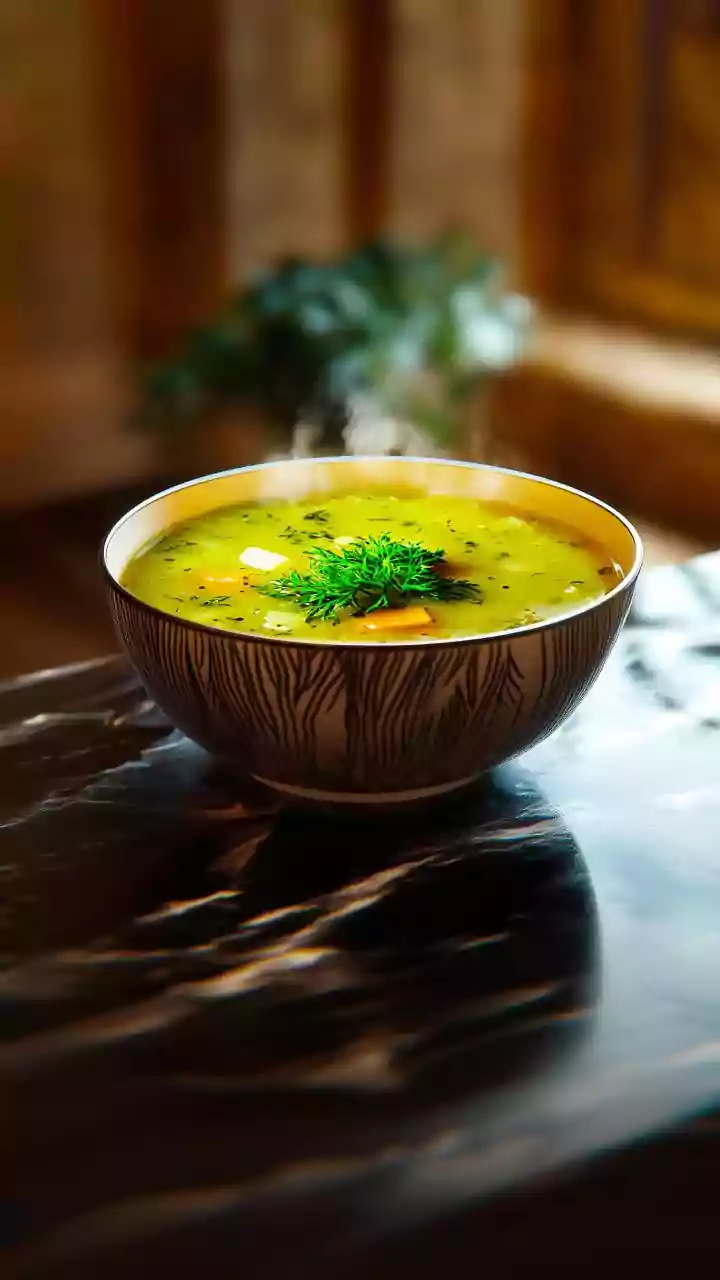
The infusion excels as a base for broths and marinades. Instead of water or plain stock, use your lemongrass infusion to build a quick and fragrant soup. It’s a classic component in Thai tom yum soup, but it can also elevate a simple vegetable or chicken broth. When it comes to marinades, the infusion adds a deep, aromatic flavour without the fibrous texture of chopped lemongrass. Combine the infusion with fish sauce, soy sauce, garlic, and a bit of sugar for a classic Vietnamese-style marinade perfect for chicken, paneer, or fish. Let your protein soak for at least 30 minutes before grilling or pan-frying to allow the flavours to penetrate. For a vegetarian option, it makes a brilliant marinade for tofu or tempeh.
Aromatic Rice and Curries
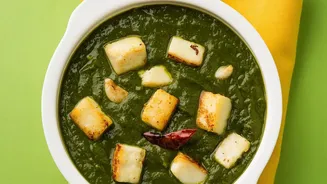
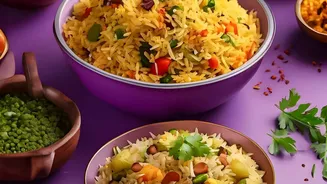
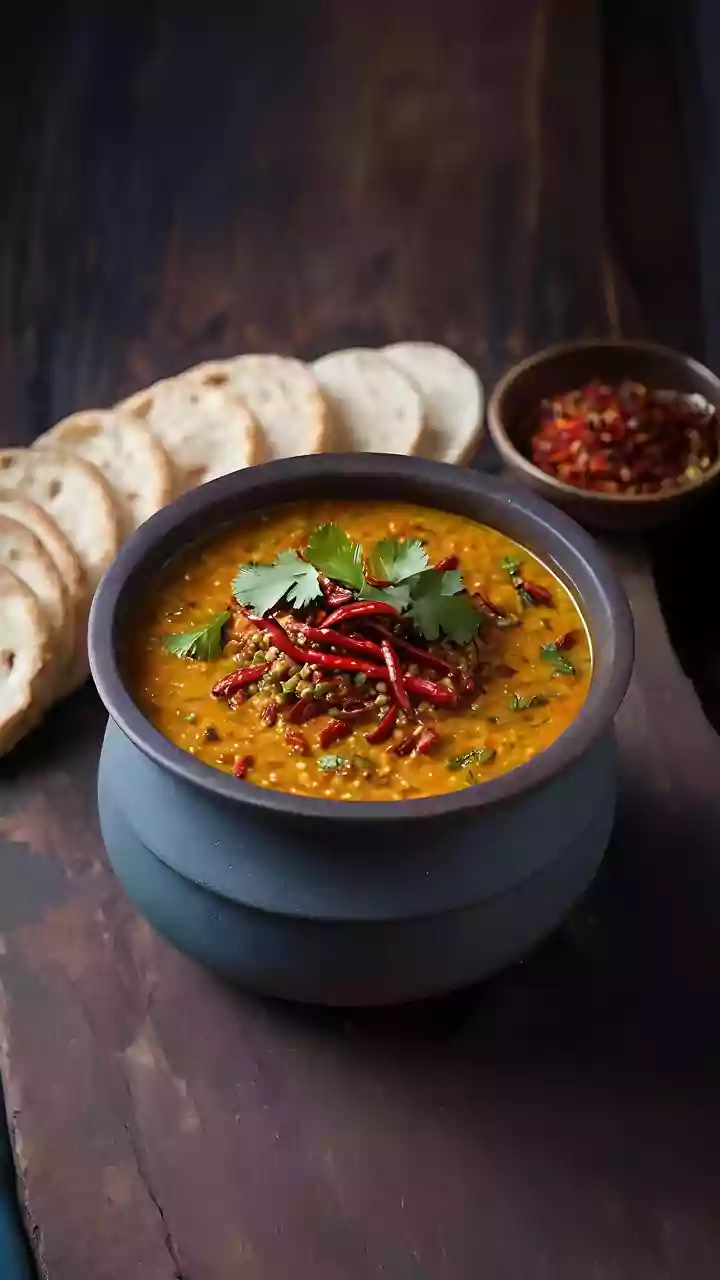
Elevate a simple side of rice by cooking it in your lemongrass infusion instead of plain water. This will impart a subtle, beautiful fragrance that complements a wide range of main courses, particularly Indian and Southeast Asian curries. The infusion method is especially useful in currymaking. You can achieve a smooth, creamy gravy without bits of tough lemongrass. Use the infusion along with coconut milk as the liquid base for your next vegetable, paneer, or chicken curry. It pairs wonderfully with other aromatics like ginger, garlic, and turmeric, adding a bright top note to the rich and earthy spices.
Unexpectedly Delicious Desserts
Lemongrass in dessert might sound unusual, but its citrusy notes are a perfect match for creamy and sweet flavours. Create a lemongrass infused syrup and drizzle it over fresh fruit salad, vanilla ice cream, or pancakes. For a more advanced treat, use the infusion as the flavouring for a panna cotta. The delicate herbal citrus cuts through the richness of the cream beautifully. You can also infuse the milk or cream used for custards kheer or even cheesecakes. The result is a sophisticated dessert with a surprising and refreshing aroma that will intrigue and delight your guests.