





Jamun: The Purple Powerhouse
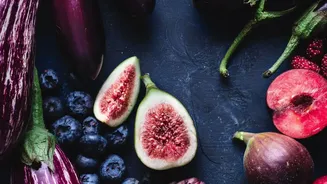
The quintessential monsoon fruit, Jamun (or Indian Blackberry), is more than just a tangy treat. It is a nutritional powerhouse, low in calories and packed with Vitamin C and antioxidants. These nutrients are vital for bolstering your immune system, which
is particularly important during the rainy season when colds and infections are common. The fruit's fibre content also aids digestion, a common concern during this time. Additionally, according to Ayurveda, jamun has a cooling effect on the body, which can be comforting in humid weather. Enjoy a handful of fresh jamun as a snack, or blend them into a refreshing, unsweetened juice to reap their benefits.
Gourds: The Digestive Guardians
Traditional Indian wisdom has long celebrated gourds during the monsoon for good reason. Vegetables like bottle gourd (lauki), ridge gourd (turai), and especially bitter gourd (karela) are harvested extensively during this period. They are light on the stomach, easy to digest, and have a high water content that helps keep you hydrated. Lauki is particularly rich in dietary fibre and contains iron and vitamins B and C, which help with anti-oxidative functions. Bitter gourd, despite its sharp taste, is prized for its natural antimicrobial properties and its ability to support liver function and regulate blood sugar. Simple, lightly spiced curries or stir-fries made with these gourds are ideal monsoon meals that nourish without weighing you down.
Turmeric: The Golden Immunity Shield
A staple in every Indian kitchen, turmeric (haldi) becomes even more essential during the monsoon. Its active compound, curcumin, has powerful anti-inflammatory and antioxidant properties that help strengthen the body's defences against infection. During the damp monsoon months, when bacterial and viral activities are high, incorporating turmeric into your diet can help fortify your immune system. Adding a pinch of black pepper along with turmeric can significantly enhance the absorption of curcumin, maximizing its health benefits. Start your day with warm turmeric water, add it generously to dals and sabzis, or enjoy a comforting glass of haldi doodh (turmeric milk) before bed.
Ginger: The Warming Healer
Ginger (adrak) is another kitchen hero that shines during the rainy season. Known for its warming properties, it helps the body adapt to the cool, damp weather. Gingerol, its main bioactive compound, aids digestion, soothes throat irritation, and helps clear congestion, making it a go-to remedy for common monsoon ailments like colds and coughs. Its ability to reduce the risk of both bacterial and viral infections makes it a powerful ally for your immune system. A cup of hot ginger tea is not just a comforting ritual on a rainy day; it's a potent health tonic. You can also grate fresh ginger into soups, curries, and lentil dishes to add flavour and a wellness boost.
Pomegranate: The Antioxidant Jewel
While available at other times, a fresh crop of pomegranates begins to arrive during the monsoon, offering a potent dose of immunity-boosting nutrients. These ruby-red seeds are packed with Vitamin C and powerful antioxidants like polyphenols. These compounds help protect your cells from damage and support the body’s ability to fight off seasonal infections. Pomegranates are also a good source of fibre, which supports digestive health. Sprinkle the arils over salads and yoghurt, or enjoy them on their own for a refreshing and healthy snack that helps keep your energy levels stable during the humid weather.
Corn: The Comforting Classic
The sight and smell of roasted bhutta (corn on the cob) are synonymous with the Indian monsoon. Harvested during the rainy season, corn is at its freshest and most affordable in August. It's an excellent source of fibre, which aids digestion when the system can feel sluggish. Corn also contains B vitamins and antioxidants that help protect cells from damage. Beyond the classic roasted bhutta seasoned with lime and spices, you can add corn kernels to soups, salads, and vegetable dishes. It provides a comforting, nutritious, and filling element to any meal, making it a perfect fit for the season.