









The Screening Scramble
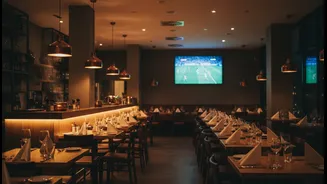
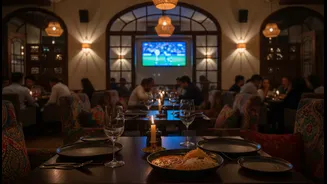
At the heart of the late-night match experience is the screen itself, but getting the game on for customers is more complicated than simply turning on a TV. Restaurants face a significant hurdle with commercial screening rights. Broadcasters often demand
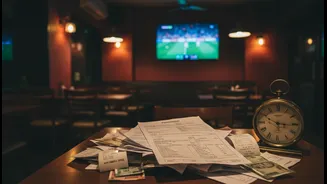
steep licensing fees, which can range from ₹1 lakh to ₹2 lakh for a single tournament, a cost that is prohibitive for many smaller establishments. This has created a legal grey area, with many venues reportedly receiving notices for unauthorised screenings using personal subscriptions. The National Restaurant Association of India (NRAI) has even advised its members to be cautious. Beyond the legalities, there's the cost of hardware and creating an atmosphere that can compete with watching from home, a constant balance of investment against potential returns.
A Menu for the Match
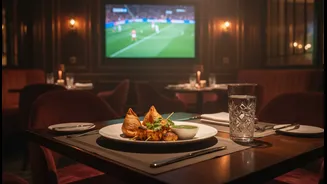
Late-night match viewing calls for a different kind of menu. Formal dining is replaced by flexible, shareable, and quick-to-eat options. Restaurants are innovating with football-themed menus featuring items like butter chicken dumplings, region-inspired pizzas, and a variety of finger foods. The goal is to create dishes that are easy to pass around and consume without taking attention away from the game. This shift is not just for dine-in customers. The 2026 FIFA World Cup has led to a 12-15% jump in late-night food delivery orders, with pizzas and burgers being the most popular choices between 11 pm and 3 am. This dual demand requires a kitchen that can handle both a packed house and a surge in online orders simultaneously.
The Staffing Squeeze
Staying open until 3 or 4 am is a massive operational challenge, primarily centered on staffing. Managing employees for these late shifts requires careful planning to avoid burnout and maintain service quality. This often involves creating rotational shifts, offering incentives like bonus pay, and hiring temporary staff to cover the surge. The government has played a role, with cities like Bengaluru permitting restaurants to stay open until 3:30 am on key match nights following requests from the NRAI. However, this extended service comes with higher operational costs, including premium pay for staff and increased utility bills, forcing owners to weigh whether the extra revenue justifies the expense. The key is balancing employee welfare with customer demand, a difficult task during high-pressure tournaments.
Riding the Demand Wave
The demand driven by major sporting events is undeniable. The current World Cup has amplified a pre-existing trend of a growing 'night economy' in India, with younger consumers shifting their habits to later hours. Food delivery platforms have seen a significant spike in orders, and quick commerce services are also benefiting from fans stocking up on snacks and drinks. For restaurants, this demand is a double-edged sword. While it brings in customers, the revenue per screening can be unpredictable. A full house might not be enough to cover the high licensing fees and operational costs. Furthermore, the interest can be fickle; a lull in exciting matches or 'cricket fatigue' after a major tournament can see revenues flatten, as has been observed in past IPL seasons. This makes capitalizing on late-night sports a high-risk, high-reward venture.