



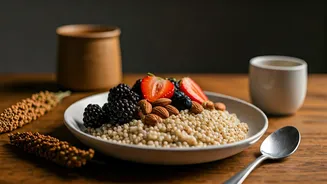


The Ancient Grain on the Modern Shelf
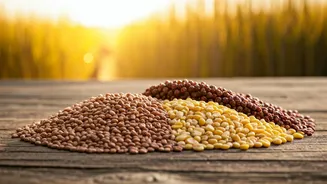
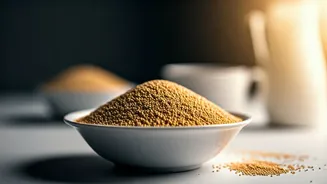
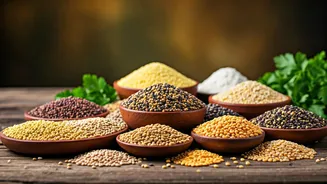
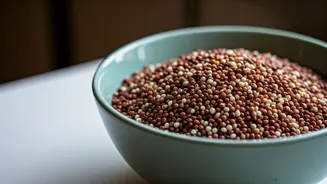
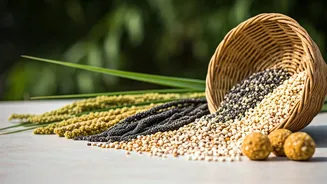
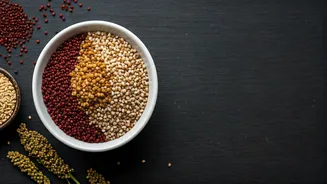
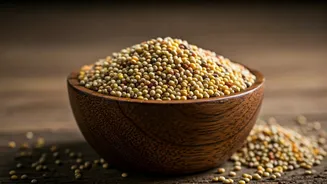
If you've noticed millets like jowar, bajra, and ragi suddenly appearing in everything from crunchy puffs to breakfast cereals, you're not alone. These tiny but mighty grains are experiencing a massive resurgence. For centuries, millets were a dietary
cornerstone in India, with evidence of their cultivation dating back to the Indus Valley Civilization. They were the original superfoods, long before the term existed. So why the sudden comeback? It's a combination of a government-led push, including the awareness generated by the International Year of Millets in 2023, and a growing consumer demand for healthier, more sustainable food options. Consumers are increasingly wary of processed foods made from refined flour (maida) and are seeking out nutritious alternatives. Millets fit the bill perfectly.
More Than Just a Health Kick
The buzz around millets isn't just about what they do for our bodies; it's about what they represent for our culture. These grains are deeply woven into India's agricultural and culinary history. For generations, they were the food of resilience, thriving in arid conditions where water-guzzling crops like rice and wheat couldn't grow. However, with the Green Revolution's focus on wheat and rice, millets were gradually sidelined, often becoming perceived as food for rural or low-income households. The current revival is a correction of that historical shift. It’s a collective rediscovery of forgotten flavours and a celebration of our agricultural heritage. Choosing millet snacks today is not just a health choice, but a nod to the wisdom of our ancestors.
A Nutritional Powerhouse
When you compare millets to refined wheat and white rice, the nutritional superiority is clear. Millets are a fantastic source of dietary fibre, which aids digestion and helps you feel full longer. They are packed with essential minerals like iron, calcium, and magnesium. For instance, finger millet (ragi) has significantly more calcium than rice or wheat. Furthermore, millets have a lower glycemic index, meaning they release sugar into the bloodstream more slowly, which is beneficial for managing blood sugar levels and providing sustained energy. This makes them an excellent choice for diabetics and anyone looking to avoid the energy spikes and crashes associated with sugary snacks.
From Porridge to Puffs: The Snack Revolution
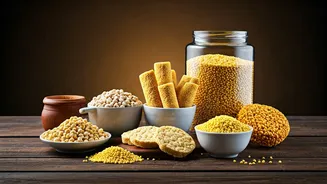
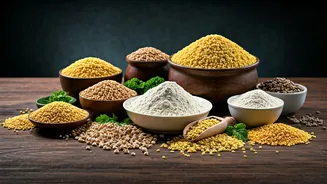
The real game-changer in the millet story is innovation. For years, millets were primarily consumed as porridge or rotis. Today, a new wave of Indian food startups and entrepreneurs is transforming these humble grains into an exciting array of modern snacks. You can now find millet-based chips, roasted puffs, cookies, pasta, noodles, and energy bars. Brands are getting creative with flavours, offering everything from classic masala to peri-peri and cheese, proving that healthy snacking doesn't have to be boring. These entrepreneurs are not just building businesses; they are creating a new food category that bridges the gap between tradition and modern convenience, making it easier than ever for consumers to incorporate millets into their busy lives.
The Sustainability Superstar
Beyond personal health and cultural pride, there's another compelling reason to embrace millets: they are incredibly good for the planet. Known as 'climate-smart' crops, millets are drought-resistant and require significantly less water than rice and wheat. They can grow in poor soil conditions with minimal need for chemical fertilizers and pesticides. In an era of increasing climate uncertainty and water scarcity, promoting millet cultivation supports agricultural biodiversity and creates more resilient food systems. Choosing millet products helps support the livelihoods of small farmers who cultivate these hardy crops, often in the rainfed, arid regions of India.