




A Crisis of Quality, Not Just Quantity
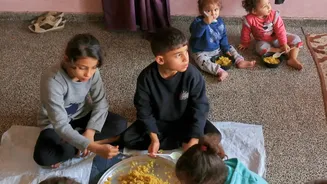
The scale of India’s child malnutrition problem remains staggering. According to the latest National Family Health Survey (NFHS-6) data from 2023-24, 29.3% of children under five are stunted (too short for their age), and nearly 19% suffer from wasting
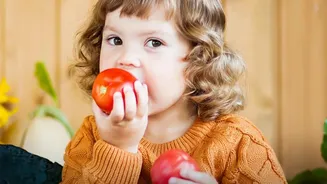
(too thin for their height). While these figures show some improvement, they reveal a deep-seated crisis that is not merely about a lack of calories. The core issue is often 'hidden hunger,' where a child consumes enough staples like rice and wheat to feel full but misses out on the essential vitamins and minerals needed for healthy development. This is reflected in the fact that only about 15% of children aged 6-23 months receive a minimally adequate diet. This deficiency in quality has long-term consequences, impacting everything from cognitive development and immunity to future economic productivity.
What 'Food Variety' Really Means
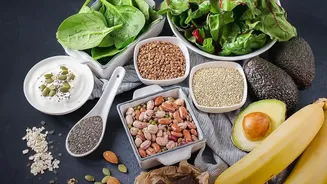
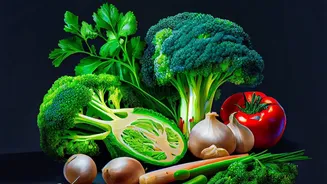
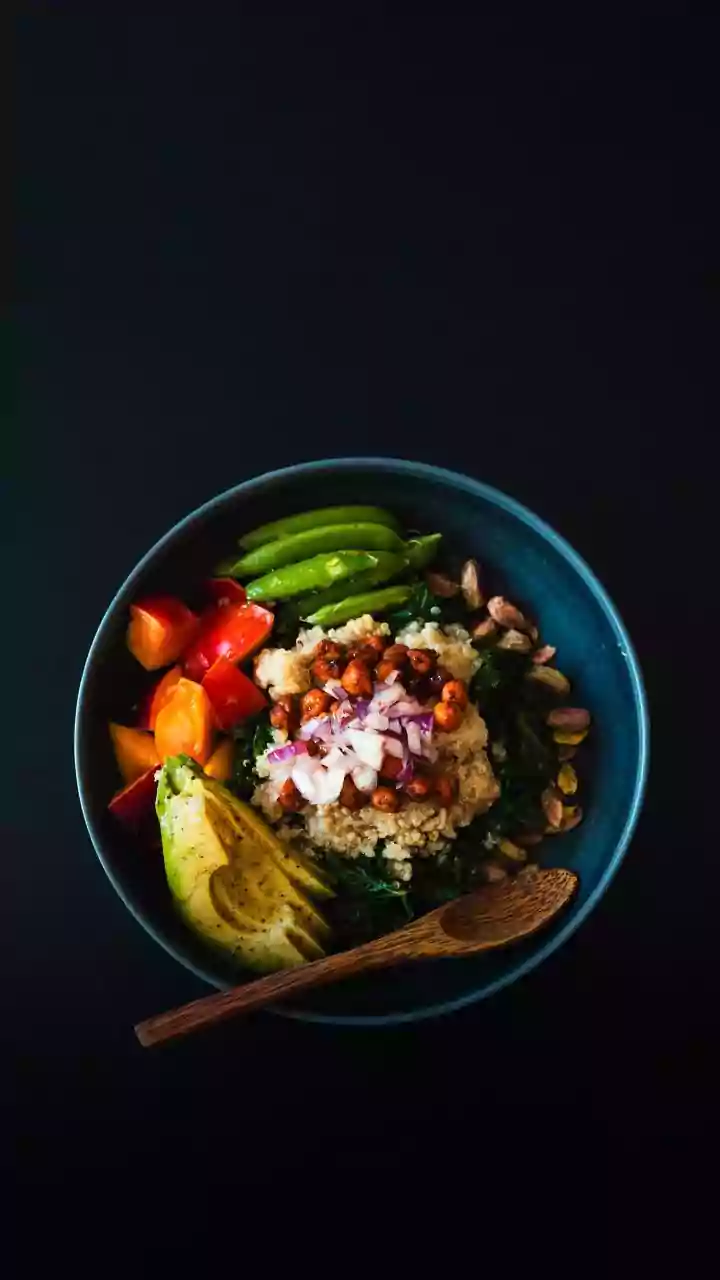
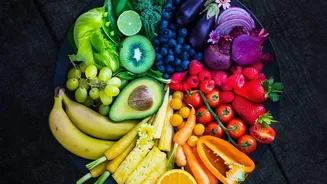
The new emphasis on food variety, or dietary diversity, is a direct response to this challenge. It moves beyond a carbohydrate-heavy focus and champions a balanced plate. In a nutritional context, diversity means consuming foods from multiple groups daily: grains, pulses and legumes, green leafy vegetables, other fruits and vegetables, dairy products, and sources of protein like eggs or meat. Each group provides a unique set of micronutrients—vitamins and minerals like iron, zinc, and Vitamin A—that perform specific functions. For example, iron is crucial for preventing anaemia, which affects over two-thirds of Indian children, while Vitamin A is vital for vision and immune function. A diet dominated by one or two food groups, no matter how plentiful, cannot provide this complete nutritional toolkit, leading to the dual burden of undernutrition coexisting with rising childhood obesity.
Inside the New Nutrition Push
The government's new nutrition push is spearheaded by initiatives like Mission Saksham Anganwadi and Poshan 2.0. This represents a strategic pivot from simply providing calories to actively promoting balanced diets. A key part of this is the revision of supplementary nutrition norms to emphasize micronutrients, quality protein, and healthy fats, not just energy density. The annual 'Rashtriya Poshan Maah' (National Nutrition Month), with its 2026 campaign, is designed to take this message to the grassroots, focusing on dietary diversity and protein-rich foods at nearly 1.4 lakh Anganwadi centres. These centres are being positioned as community hubs for nutrition education, with measures like mandatory menu boards and promoting local, seasonal produce through 'Poshan Vatikas' or nutrition gardens.
The Hurdles on the Path to a Diverse Plate
Despite a clear policy direction, achieving widespread dietary diversity faces significant real-world challenges. For many families, poverty remains the biggest barrier; nutritious foods like fruits, vegetables, and proteins are often more expensive and less accessible than staple grains. An estimated 75% of Indians cannot afford a truly diverse and nutritious diet. Cultural habits, which can favour carbohydrate-rich meals, also play a role. Furthermore, there are systemic issues, such as agricultural policies that have historically incentivized cereal production over other crops like millets and pulses. A lack of awareness among caregivers about the specific nutritional needs of young children contributes to the problem, even when diverse foods are available.
Sowing the Seeds of Sustainable Change
Overcoming these hurdles requires a multi-pronged approach that goes beyond just awareness campaigns. The new policy push includes strengthening community-led action. Initiatives like the 'Let's Fix Our Food' consortium, involving bodies like ICMR-NIN and UNICEF, are advocating for systemic changes, including healthier school food environments and better regulation of unhealthy processed foods high in fat, sugar, and salt. Empowering Anganwadi workers to provide practical demonstrations on how to incorporate affordable, local, and protein-rich foods into daily meals is critical. Encouraging kitchen gardens and strengthening local value chains for nutrient-dense crops can also make diverse diets more accessible and affordable for rural families. The ultimate goal is to create an environment where the healthy choice becomes the easy choice for every family.