





The Problem with Plastic Foam
It’s hard to imagine modern life without the lightweight, insulating magic of plastic foam. It protects our packages, insulates our homes, and keeps our takeaway food warm. However, materials like expanded polystyrene are a well-documented environmental
nightmare. Derived from petroleum, they are a product of the fossil fuel industry. Worse, they don’t biodegrade. A single foam container can persist in a landfill or ocean for more than 500 years, breaking down into tiny microplastics that pollute ecosystems and harm wildlife. Its production involves chemicals that can be hazardous, and its bulky, lightweight nature makes it difficult and uneconomical to recycle. As companies and consumers hunt for sustainable alternatives amidst growing regulatory pressure, the demand for a better solution has never been higher.
A Greener Alternative from Trees
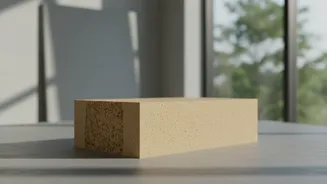
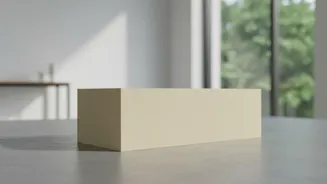
Enter wood-fibre foam. The concept is simple and elegant: create a foam-like material using natural cellulose fibres from wood. This results in a product that is renewable, biodegradable, and can often be recycled right alongside cardboard in your household bin. Companies like Stora Enso are already on the market with products made from Nordic wood, offering a material that provides cushioning and insulation suitable for packaging. Researchers have demonstrated that wood foam, made from either fresh pulp or even waste sawdust, can be an excellent material for protective packaging, building insulation, and acoustic panels. It has the potential to replace plastics in a huge range of applications, but one major hurdle has always stood in its way.
The High Cost of Going Green
For years, the widespread adoption of wood foam has been held back by production costs and scalability challenges. Many early methods for creating these foams relied on freeze-drying, a process that is notoriously slow and energy-intensive, making it too expensive for mass-market applications. For a sustainable alternative to truly compete with a cheap, established material like polystyrene, it needs to be not only eco-friendly but also economically viable. Manufacturers and their customers can’t afford a massive price hike, no matter how green the alternative is. This economic reality has kept wood foam as a niche product rather than a mainstream replacement. That is, until now.
The Breakthrough That Changes Everything
The headline-making buzz is about a series of recent research breakthroughs aimed directly at the cost problem. Scientists are innovating new ways to produce wood foam that are faster, cheaper, and more energy-efficient. One promising method involves a novel "microwave-assisted thawing" technique, which slashes the energy consumption compared to traditional freeze-drying. Another team developed a robust way to make the foams using a simple oven-drying process, a discovery that could pave the way for easier large-scale production. Meanwhile, researchers at the University of Massachusetts Amherst have found that foam made from unprocessed sawmill sawdust performs nearly as well as foam from more refined wood powder, dramatically cutting down on processing costs. These advancements are chipping away at the economic barrier, transforming wood foam from a pricey ideal into a legitimate commercial contender.
From Lab to a Lunchbox Near You
This shift isn't just happening in the lab. In Sweden, a company named Fibu recently secured government funding to scale up its patented, cost-effective production process for a wood-fibre foam with a carbon footprint up to 90% lower than plastic foams. These materials are already being used in gift box packaging for sustainable brands and are being tested for temperature-controlled packaging to keep food shipments cool. With its strong shock-absorbing properties, wood foam has been shown to protect items more effectively than polystyrene in some tests. As production scales and costs fall, you can expect to see wood foam replace plastic in everything from electronics packaging to the insulation boards used in construction.