



The Allure of a Rain-Washed Paradise
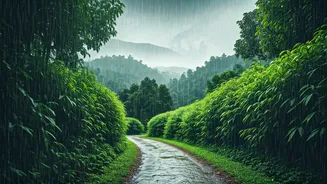
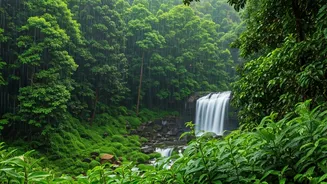
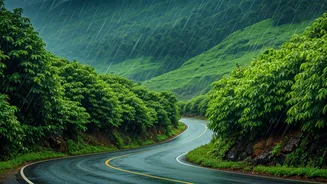
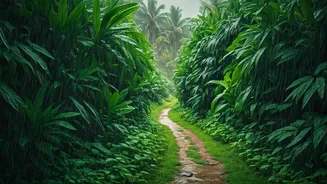
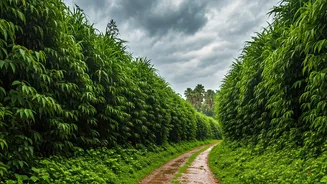
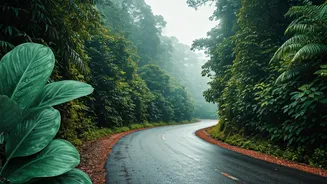
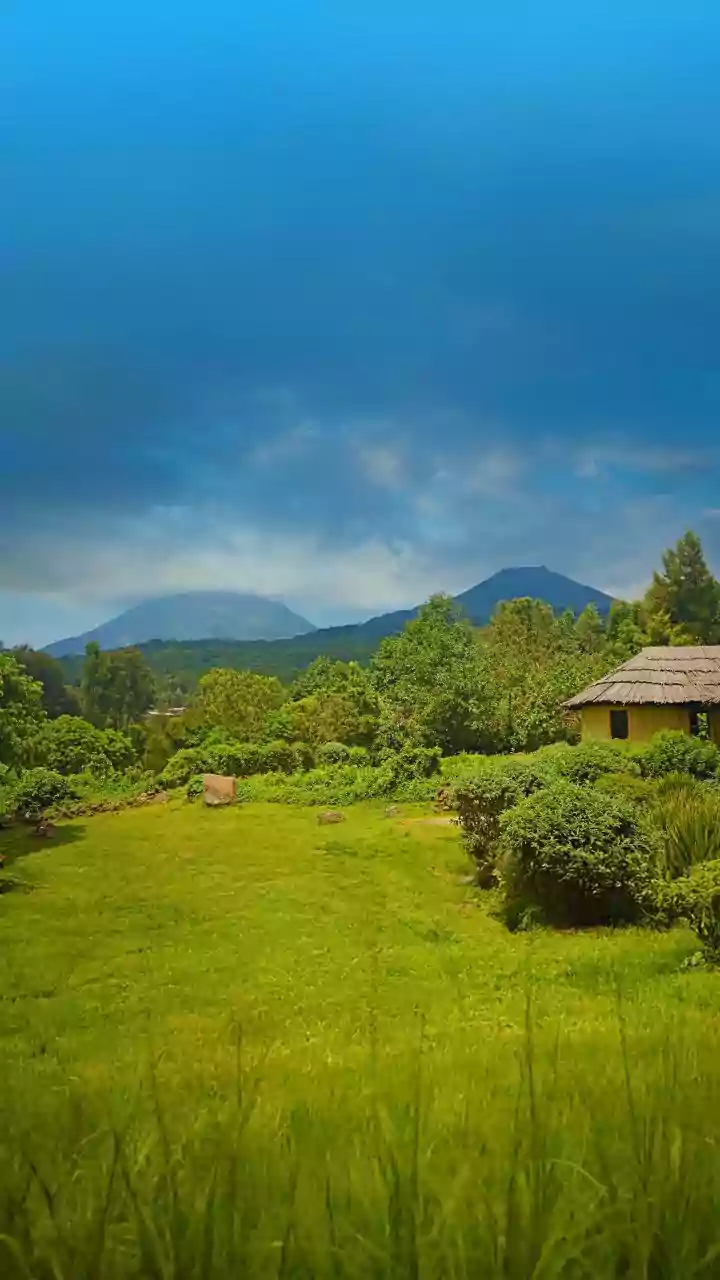
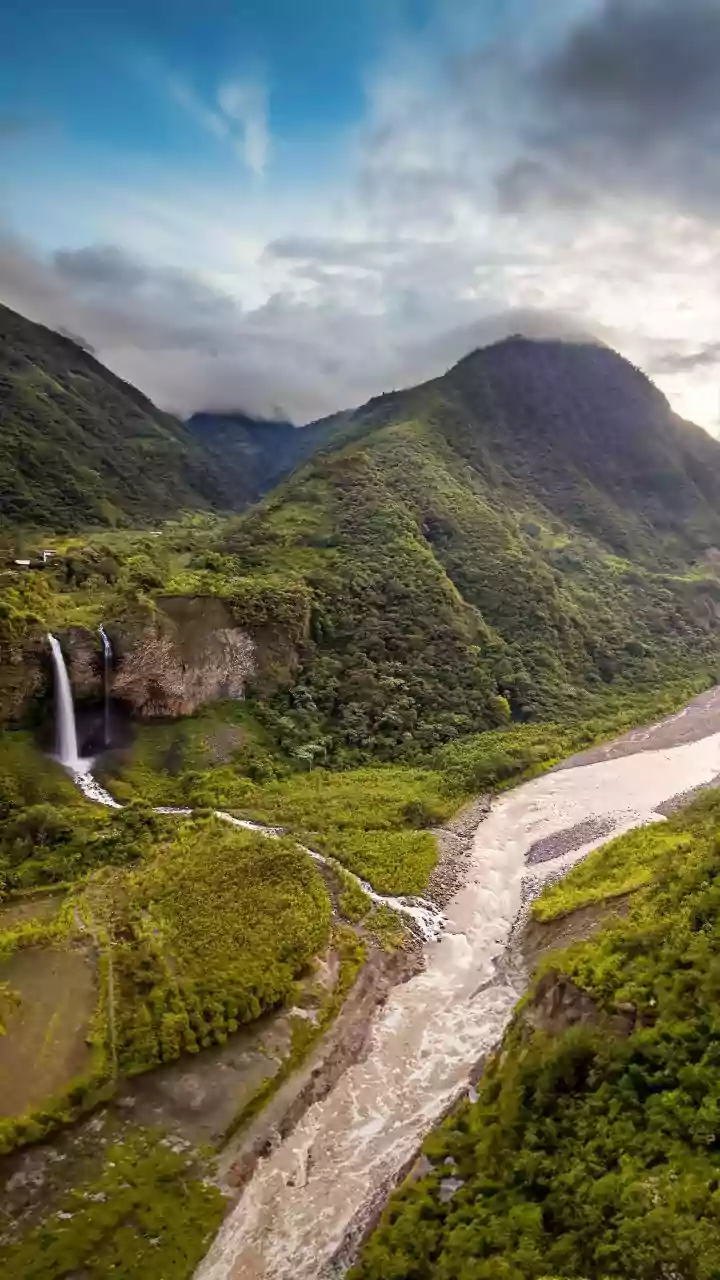
From June to September, the southwest monsoon transforms Kerala into an emerald paradise. [2, 18] The landscape, parched from the summer heat, drinks in the rain and bursts into life. [12, 20] Tea plantations in Munnar become a tapestry of deep, vibrant
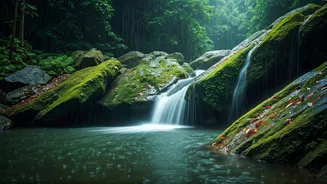
greens under a frequent blanket of mist. [10, 14, 23] Waterfalls like Athirappilly, often called the 'Niagara of South India', which are modest trickles in the dry season, become thunderous, magnificent cascades. [3, 12] This seasonal revival offers a dramatic and photogenic landscape that is arguably Kerala at its most beautiful and raw. [2, 12] The air is fresh, the temperature is cooler, and the scent of wet earth mixed with blooming flora creates an atmosphere of pure rejuvenation. [6, 16]
A Welcome Break for Your Wallet
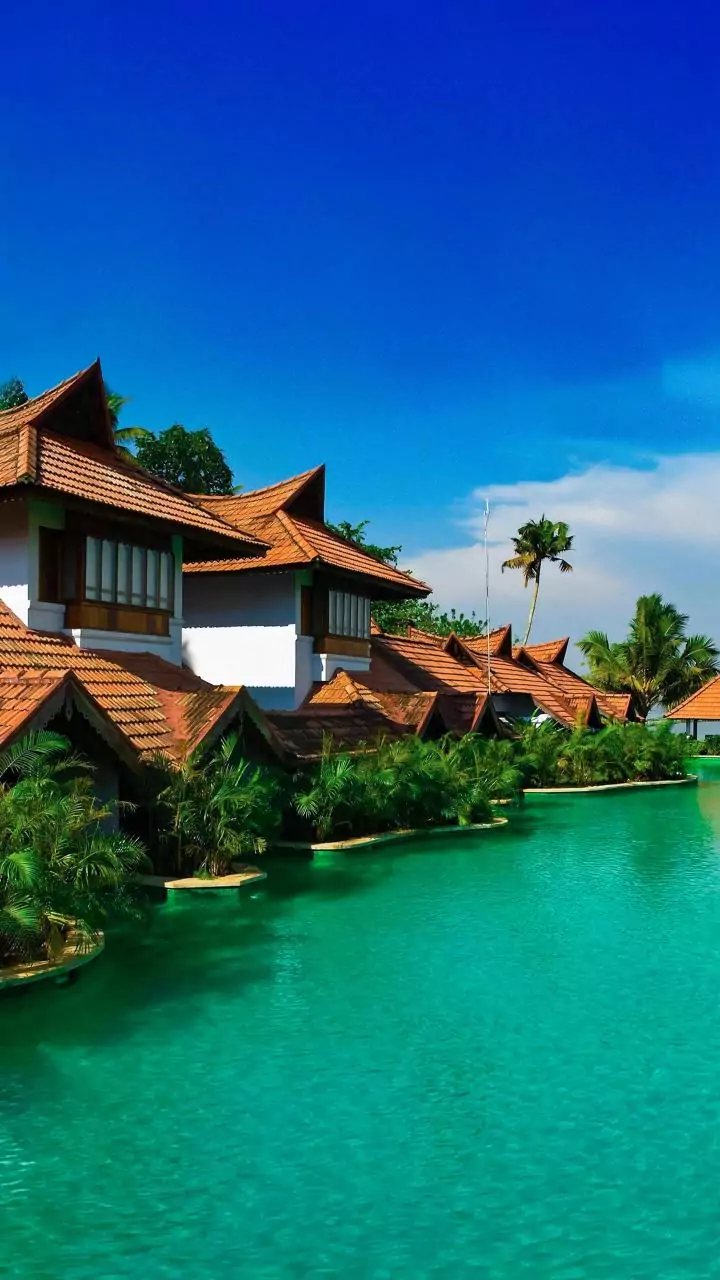
Perhaps the most practical advantage of a monsoon trip is the significant cost savings. [2, 17] This period is considered the off-season, and the travel industry responds with attractive discounts. [23] Hotels and resorts, including luxury properties, can offer rates that are 25-50% lower than during the peak winter months. [22, 23] Airlines often reduce their fares, and package deals become much more affordable. [17, 24, 25] Whether it's a private houseboat in Alleppey or a charming resort in Wayanad, your budget will stretch considerably further, allowing for a longer stay or more luxurious accommodation than you might otherwise afford. [24]
The Perfect Time for Ayurvedic Healing
For centuries, Ayurvedic physicians have regarded the monsoon season, or 'Karkidaka Masam', as the ideal time for healing and rejuvenation therapies. [6, 7, 15] According to Ayurvedic principles, the atmosphere is cool, humid, and dust-free, which helps the body's pores to open up. [16] This makes the skin more receptive to medicated oils and treatments, enhancing their efficacy. [9, 16] Treatments for chronic conditions like arthritis, as well as general wellness therapies like Panchakarma, are believed to be more effective during this time. [5, 9] The calm and quiet environment, coupled with the rhythmic sound of the rain, creates a deeply therapeutic setting for both body and mind. [15]
Fewer People, More Authentic Experiences
Popular tourist spots that are typically packed during peak season become quiet and tranquil during the monsoon. [2] Imagine exploring the historic lanes of Fort Kochi without the jostling crowds, or enjoying a peaceful boat safari in Thekkady. [10, 23] The backwaters of Alleppey and Kumarakom, famous for their houseboat cruises, take on a serene and romantic quality. [11, 13] With fewer tourists, you get a more intimate and authentic experience of the local culture. This is also the season for unique cultural events, including the spectacular Nehru Trophy Boat Race in August and the vibrant preparations for the Onam festival. [6, 8, 17]
Practical Tips for Your Monsoon Journey
While travelling during the monsoon is rewarding, it requires some planning. Most tourist attractions remain open, but it's wise to stay updated on weather conditions, as heavy rains can occasionally cause travel delays or limit access to certain high-altitude areas. [4, 10] Pack lightweight, quick-drying clothes, a reliable raincoat, and waterproof footwear. An umbrella is essential. Be prepared for the possibility of rough seas, which may make swimming at beaches like Kovalam and Varkala unsafe. [22] However, the rains are often not continuous, typically consisting of a few hours of heavy downpour followed by periods of bright sunshine, leaving ample time for exploration. [23]