




More Than Just Muddy Puddles
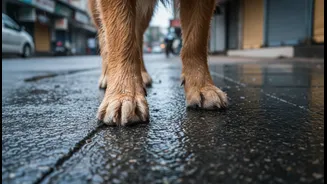
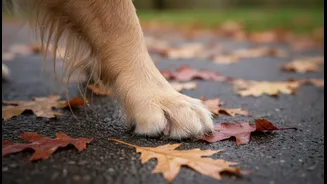
A walk in the rain is more than just a wet inconvenience; it's an encounter with a host of hazards. Urban runoff isn't just rainwater. It often contains a mix of street grime, chemical residues from vehicles, and other pollutants. More concerningly, standing
water is a prime breeding ground for dangerous bacteria. Organisms that cause diseases like leptospirosis, a severe bacterial infection spread through the urine of infected wildlife like rats, can thrive in puddles. This bacteria can enter a dog's body through small cuts on their paws or even just by them licking their feet after a walk. Murky water can also conceal sharp objects like broken glass or metal shards, posing a direct risk of injury.
The Threat of Fungal and Bacterial Infections
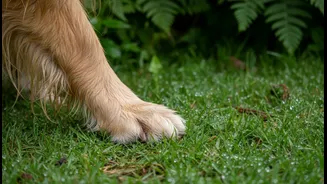
Constant dampness is the biggest enemy of paw health. The warm, moist spaces between your dog's toes and paw pads are the perfect environment for yeast and fungi to flourish, leading to uncomfortable infections. You might notice your dog excessively licking or chewing their feet, a musty odour, or redness and inflammation—all classic signs of a brewing infection like yeast dermatitis. This persistent moisture softens the paw pads, making them more susceptible to cracks and abrasions, which in turn can become entry points for bacterial infections. A simple cut can quickly escalate into a painful issue requiring veterinary care if bacteria like Staphylococcus take hold.
Your Five-Minute Paw Care Toolkit
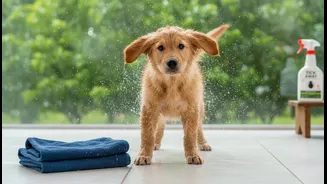
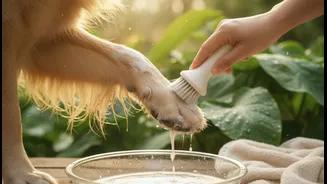
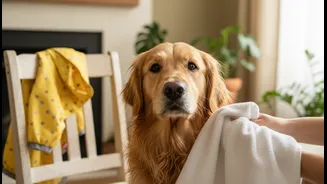
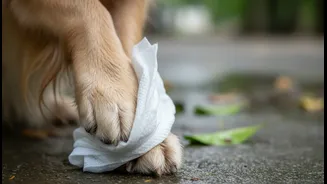
Being prepared makes the post-walk cleanup quick and painless. You don’t need a lot of fancy equipment. Simply create a designated 'drying station' by your entryway with a few essential items. Start with a highly absorbent towel specifically for your dog. Keep a stash of pet-safe grooming wipes for days when paws aren't heavily soiled. For muddier walks, have a basin or a portable paw cleaning cup ready with lukewarm water and a small amount of gentle, dog-safe shampoo. Good lighting is also key, as it helps you spot any small cuts, thorns, or ticks that might be hiding.
The Post-Walk Paw Inspection Routine
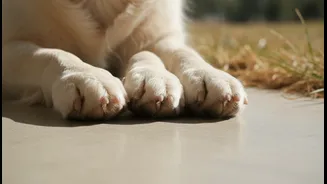
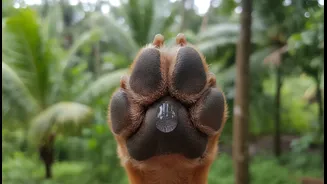
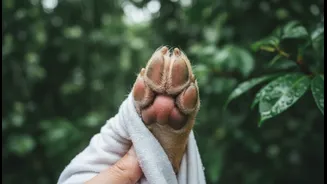
This entire process should take less than five minutes but can save your dog from weeks of discomfort. First, thoroughly wipe down each paw with a towel to remove the bulk of the mud and water. If paws are particularly dirty, wash them gently, ensuring you get into the crevices between the pads and toes, then rinse well. The most crucial step is to dry the paws completely, especially between the toes where moisture loves to hide. Once dry, perform a quick visual inspection. Gently spread the toes and check the pads for any cuts, cracks, swelling, redness, or foreign objects. Also check the nails for any discoloration or damage. This simple habit is one of the most effective preventative measures you can take.
When to Consult a Veterinarian
While a good cleaning routine can prevent most issues, it's important to recognise when a problem requires professional help. If you notice your dog is constantly licking or chewing at their paws, it's a clear sign of irritation that needs to be addressed. Other red flags include limping, reluctance to walk, swelling, a foul odour from the paws, or any discharge like pus. If you find a deep cut or an embedded object, it's best to let a vet handle it to avoid causing more damage or infection. Don't dismiss these symptoms; early intervention can prevent a minor issue from becoming a serious health problem.