






Understanding Poshan Maah
Launched in 2018, Rashtriya Poshan Maah (National Nutrition Month) is the cornerstone of the POSHAN Abhiyaan, the government's flagship mission to improve nutritional outcomes for children under six, pregnant women, and lactating mothers. Spearheaded
by the Ministry of Women and Child Development, the goal is to transform the fight against malnutrition into a 'Jan Andolan' or people's movement. Rather than being a top-down directive, it aims to mobilize communities, spread awareness, and encourage participation from every corner of the country to build a healthier India.
Why This Focus Is Crucial
The statistics paint a stark picture of why this initiative is so vital. According to recent data from the National Family Health Survey (NFHS-5), 35.5% of children under five in India are stunted (too short for their age), and 19.3% are wasted (too thin for their height). Furthermore, anaemia remains a major public health concern, affecting a large percentage of children and women. Malnutrition doesn't just impact physical growth; it can lead to impaired cognitive ability and reduced school performance, affecting a child's entire future. The Poshan Abhiyaan aims to tackle these challenges by focusing on the crucial first 1,000 days of a child's life, from conception to their second birthday.
Key Themes for September 2026
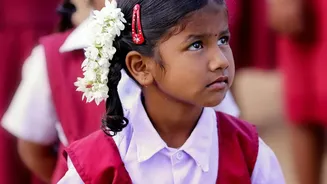
This year, the 9th Rashtriya Poshan Maah centers on the theme “Hamari Anganwadi, Hamari Jimmedari” (Our Anganwadi, Our Responsibility), which aims to foster community ownership of local Anganwadi Centres. These centres are pivotal hubs for delivering nutrition and early childhood care. The month-long campaign will concentrate on several key areas. A major focus is on promoting dietary diversity and ensuring adequate protein intake. Activities will also emphasize the importance of exclusive breastfeeding for the first six months and appropriate complementary feeding thereafter. Another priority is improving the quality of hot-cooked meals provided at Anganwadi centres and strengthening the link between good nutrition and a child's cognitive development.
What This Means for Parents
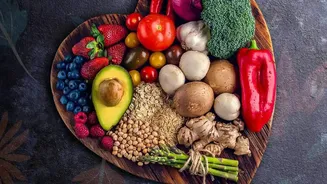
For parents, Poshan Maah serves as an annual call to action. It’s an opportunity to learn and implement small but significant changes. The campaign encourages families to incorporate a wider variety of foods into their daily meals, including locally available vegetables, fruits, pulses, and millets. Parents can participate in awareness drives, workshops, and health camps organized at local Anganwadi centres. These events provide practical knowledge on everything from healthy cooking methods to understanding the nutritional needs of children at different ages. The focus is on translating nutritional awareness into everyday habits, like ensuring children receive a balanced plate and not just one heavy in carbohydrates.
Beyond the Household
The strength of Poshan Maah lies in its extensive reach. The campaign is a massive collaborative effort involving multiple government ministries, frontline health workers (like ASHA and Anganwadi workers), and community groups. Through home visits, community-based events, and growth monitoring activities, the initiative reaches families in remote villages and urban slums alike. This year's theme of community ownership further empowers local bodies to take charge of the nutritional well-being of their residents, ensuring that the mission's benefits are distributed widely and sustainably across the nation.