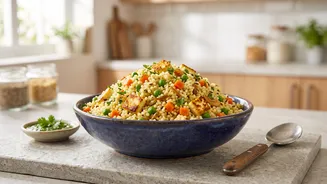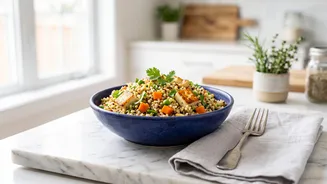





Tired of the post-lunch slump? The secret to a vibrant, productive afternoon might be hiding in your pantry. It’s time to look beyond rice and embrace millet pulao, a wholesome and delicious dish that redefines the balanced midday meal.
The Rise of a Super Grain
Millets, ancient
grains that have been a staple in Indian households for centuries, are making a powerful comeback, and for good reason. These tiny powerhouses are packed with nutrients that modern diets often lack. Unlike polished white rice, millets are rich in dietary fibre, which aids digestion and promotes a feeling of fullness, preventing you from reaching for unhealthy snacks later. They are also a fantastic source of plant-based protein, essential minerals like magnesium and iron, and are naturally gluten-free, making them suitable for those with gluten sensitivities. Their complex carbohydrates break down slowly, providing a steady release of energy, which is exactly what you need to power through your afternoon.
The Perfect Midday Meal Solution
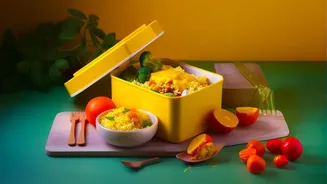
The classic lunch conundrum often involves finding a meal that is both satisfying and light enough to avoid drowsiness. This is where millet pulao truly shines. A bowl of well-made millet pulao offers a perfect trifecta of macronutrients: complex carbs from the millet, protein (either inherent in the grain or added through vegetables and legumes), and healthy fats from the cooking oil. Its low glycemic index helps regulate blood sugar levels, preventing the sharp spike and subsequent crash often associated with rice-based dishes. This means you feel energised and focused, not sluggish and sleepy. It's a one-pot meal that is easy to prepare, easy to pack for work, and incredibly versatile.
Choosing and Prepping Your Millet
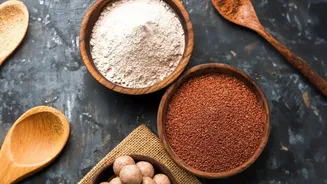
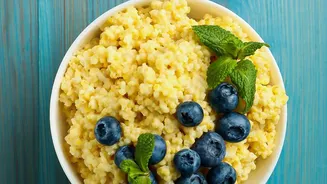
The world of millets is vast, but for a fluffy, grain-separated pulao, some varieties work better than others. Foxtail millet (kangni), little millet (kutki), and barnyard millet (samak) are excellent choices as they don't become mushy when cooked. The most crucial step, regardless of the variety you choose, is preparation. Always rinse your millets thoroughly under running water three to four times to remove any impurities. Soaking is another non-negotiable step. Soaking millets for at least 30 minutes (or even a few hours) not only helps them cook faster and more evenly but also breaks down phytic acid, an anti-nutrient that can interfere with mineral absorption. This simple step makes the grains easier to digest and enhances their nutritional benefits.
The Magic of Simple Spices
Millet has a subtle, nutty flavour that provides a beautiful canvas for spices. You don’t need an elaborate masala box to make a flavourful pulao. The key is to use a few simple, aromatic spices that complement the grain rather than overpowering it. Start your pulao by tempering whole spices in a bit of ghee or oil. A teaspoon of cumin seeds, a few cloves, a small stick of cinnamon, and a green cardamom pod create a fragrant and warm foundation. For powdered spices, a pinch of turmeric powder for colour and its anti_inflammatory properties, along with a little coriander powder for earthiness, is all you need. A final sprinkle of garam masala at the end can add a lovely finishing touch. These basic spices are all it takes to transform a simple grain into a truly flavourful meal.
A Simple Framework for Your Pulao
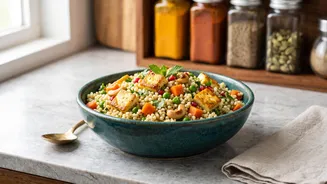
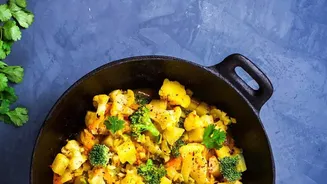
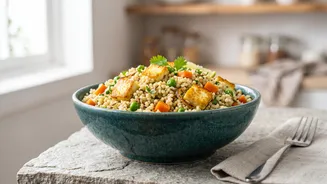
Making millet pulao is as easy as making its rice counterpart. Start by heating oil or ghee in a pressure cooker or a heavy_bottomed pot. Add your whole spices and let them sizzle. Next, sauté some onions until translucent, followed by ginger_garlic paste. Add your choice of chopped vegetables—carrots, peas, beans, and bell peppers work wonderfully. Sauté for a couple of minutes before adding your soaked and drained millets. Stir everything together gently, then add water. A general rule of thumb is a 2:1 ratio of water to millet, but this may vary slightly depending on the type of millet. Add salt to taste, bring to a boil, and then cook until the millet is tender and the water is absorbed. If using a pressure cooker, it usually takes just one or two whistles. Fluff with a fork before serving.